Vitamin C at Night for UTI Prevention: The pH Problem
Vitamin C at night for UTI prevention assumes urine acidification works. Clinical trials show pH barely shifts — what the mechanism actually needs.
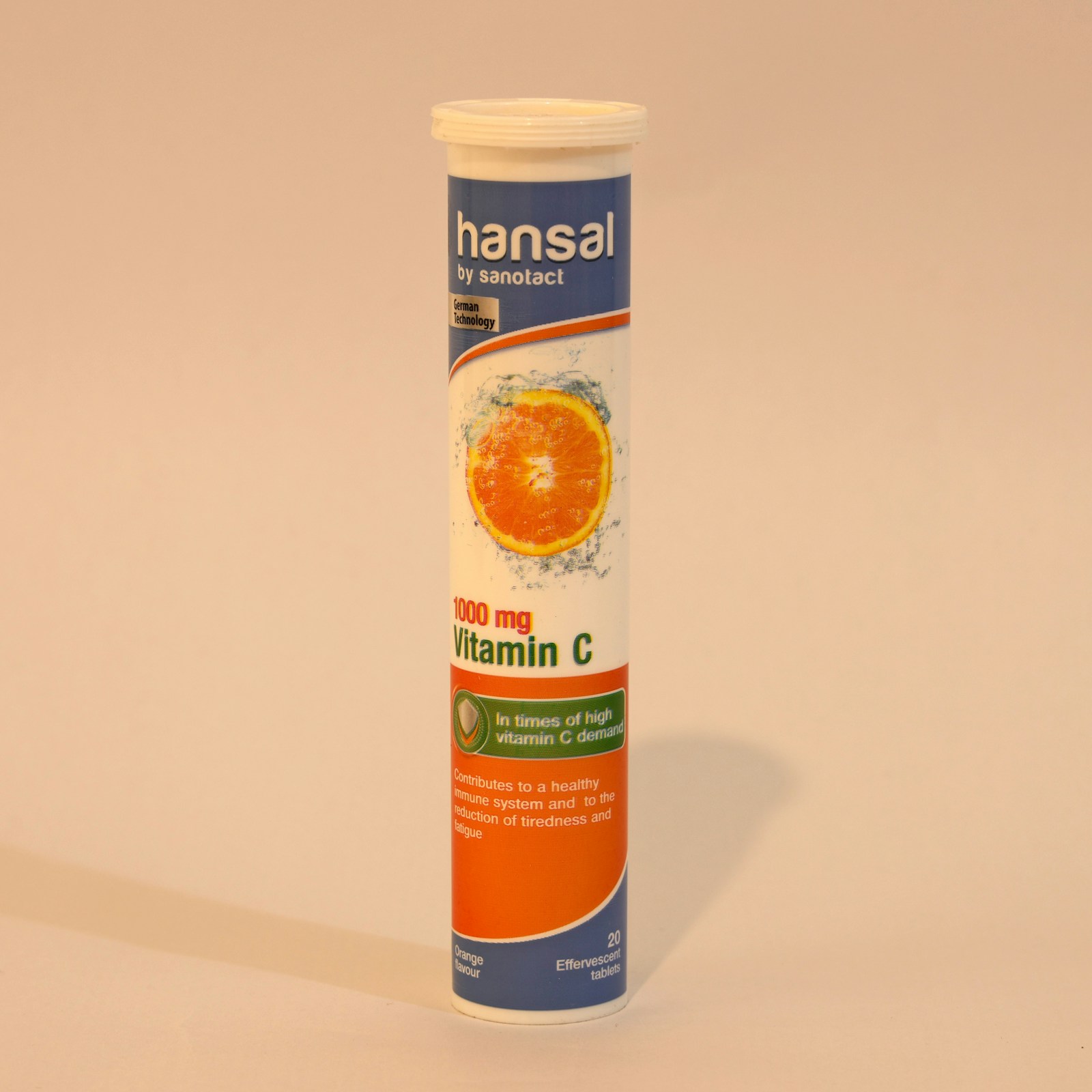
The instinct to take vitamin C at bedtime makes sense if you reason from first principles. Urine sits in the bladder for eight hours overnight. Bacteria multiply faster when they have time. If vitamin C acidifies urine and acid kills bacteria, then acidifying the overnight urine should hit the highest-risk window.
The mechanism only works above a pH threshold most people never reach.
That is the gap between the search query and the data. Below is what the actual trials have measured, what the proposed mechanism really requires, and where evening dosing might still earn its place — alongside a prescription drug that needs the acidic urine to function.
Key Takeaways
- No clinical trial has compared morning vs evening vitamin C dosing for UTI prevention
- Vitamin C alone rarely lowers urine pH below the 5.5 threshold needed for the proposed antimicrobial effect
- The strongest mechanism is reactive nitrogen species (RNS) generation, which needs acidic urine plus nitrite plus ascorbic acid all together
- A single bedtime dose cannot sustain low pH through 8 hours of sleep, since vitamin C is mostly excreted within 2 to 4 hours
- The evening-dose logic is most defensible when paired with methenamine hippurate, which itself depends on acidic urine
- The 2007 Ochoa-Brust pregnancy trial found benefit at just 100 mg/day, suggesting any real effect is unlikely to be pH-mediated
What the Mechanism Actually Requires
The “vitamin C acidifies urine and kills bacteria” story is the version every supplement website runs. The full story has three steps, and step two is where most of the marketing skips ahead.
Step one is simple. You eat dietary nitrate (leafy greens, beetroot, processed meats), bacteria in your mouth convert some of it to nitrite, you swallow the nitrite, and it ends up in your urine. Nitrite by itself in neutral or alkaline urine is essentially harmless to bacteria.
Step two is the chemistry. When urinary pH drops below about 5.5, nitrite starts converting non-enzymatically into nitric oxide (NO), peroxynitrite, and other reactive nitrogen species. These compounds are genuinely antimicrobial. They oxidise bacterial proteins, damage DNA, and disrupt cell membranes. E. coli, Pseudomonas aeruginosa, and Staphylococcus saprophyticus, the three species behind most UTIs, all show meaningful growth inhibition once RNS levels rise [1].
Step three is where vitamin C enters. Ascorbic acid accelerates the nitrite-to-NO reaction. In Carlsson and colleagues’ 2001 in vitro study, urine acidified to pH 5.0 with added nitrite (200 µM) and ascorbic acid (10 mM) reduced E. coli growth as effectively as conventional antibiotics [1]. Take away the acid and the reaction stalls. Take away the nitrite and you have nothing to convert. Take away the ascorbate and the kinetics get sluggish.
All three conditions have to hold at the same time, in the same urine sample, for the mechanism to fire.
This is why the timing question is harder than it looks.
What Trials Have Actually Found About Urine pH
Multiple studies have measured what happens when people swallow vitamin C and urine pH is measured afterwards. The results are not what the supplement marketing suggests.
| Study | Year | Population | Vitamin C dose | pH result |
|---|---|---|---|---|
| Hughes et al. [2] | 1980 | 20 spinal cord injury patients | 4 g/day for 5 days | Mean pH drop 0.58. Only 7 of 20 reached pH ≤5.5 |
| Massey et al. [3] | 2003 | 12 normal + 12 stone formers | 1 g or 2 g BID for 6 days | Fasting urinary pH unchanged |
| Wall & Tiselius [4] | 1981 | Healthy and stone-forming subjects | Up to 2 g/day | No difference in mean pH (6.0 vs 6.0) |
| Pak et al. (Henry Ford) | 2024 | Patients on methenamine + vitamin C | 1 g BID | pH dropped 0.1 units on average |
| Tanrikut et al. [5] | 2017 | Stone formers with alkaline urine | Variable | Significant pH reduction in alkaline-urine subgroup |
Read the right column carefully. In healthy people with normal-range urine pH, two grams of ascorbic acid does effectively nothing to urinary pH. In spinal cord injury patients on 4 grams daily for five days, the average drop was 0.58 units, roughly the difference between a pH of 6.0 and 5.4. And in patients already producing alkaline urine, the pH did drop, but those patients started high enough that the drop did not necessarily push them across the 5.5 threshold either.
Evidence grade for vitamin C as a urinary acidifier: Low. Most controlled studies show minimal or no pH change at common supplement doses. Effects appear in narrow subgroups (alkaline-urine stone formers, very high doses) that do not generalise to standard UTI prevention.
That is the mechanism’s foundation, and it is shakier than most articles admit.
What the UTI Prevention Trials Actually Show
Two human trials directly tested oral vitamin C for UTI prevention. They did not control timing.
The 2007 Ochoa-Brust trial randomised 110 pregnant women to either iron + folate alone or iron + folate + 100 mg of ascorbic acid daily for three months [6]. The control group had positive urine cultures roughly twice as often as the vitamin C group. This is the trial supplement marketers cite when they say “research shows vitamin C prevents UTIs.”
A 100 mg daily dose cannot acidify urine. Saturation kinetics for ascorbate are well established: above 200 mg/day, plasma levels plateau and the kidneys excrete the rest. At 100 mg, urinary ascorbate concentration would not climb high enough to drive the reactive nitrogen species reaction. So either the trial result is real but driven by a different mechanism (immune support, antioxidant protection of bladder mucosa, mucin production), or the result reflects something about the trial design (population, definition of UTI, baseline rates) that does not generalise.
The second trial worth knowing about is a 2020 single-arm study of high-dose intravenous vitamin C in 87 kidney transplant recipients at risk of UTIs [7]. UTI incidence dropped substantially compared to historical controls. This is a different intervention entirely (IV pushes plasma concentrations far beyond what oral can achieve, and bypasses the gut excretion ceiling), and a single-arm study without randomisation is weak evidence. But it is at least consistent with the idea that very high circulating ascorbate might do something beyond the dietary range.
That is the human evidence base. Two trials. One small, one weak. Neither tested whether timing of the dose matters.
The Evening Dose Logic, Examined
The reasoning behind evening-only or evening-emphasised dosing usually goes like this:
- Urine sits in the bladder longer overnight (no daytime urination cycles)
- Bacteria multiply during long dwell times
- Acidifying overnight urine = killing bacteria when they have most opportunity to colonise
The first two are reasonable observations. The third assumes the acidification works in the first place, which the data above already complicates. But there is a second problem with the timing logic that gets less attention.
Vitamin C clears the body fast. Plasma half-life of ascorbic acid is around 30 minutes for the freely circulating fraction, with the slower kinetic compartment (tissue stores) running on a 10-20 day timeframe. Urinary excretion of an oral dose peaks within 2 to 4 hours. By the time you have been asleep for six hours, the ascorbic acid from your bedtime dose is already largely gone from the urine, well before you wake up.
A single evening dose cannot sustain low pH through the night even in theory. If the mechanism worked, you would need either a sustained-release formulation, a dose late enough that excretion peaks during sleep but does not interfere with sleep, or twice-overnight dosing. None of these match how anyone actually takes vitamin C.
Counterargument: maybe overnight urine is not the highest-risk window. A 1985 in vitro study by Asscher and colleagues compared bacterial growth in concentrated versus dilute urine [8]. Bacteria in concentrated urine showed 90% die-off during the lag phase, and surviving bacteria took 55 hours to reach maximum growth. In dilute urine, 75% of bacteria survived the lag phase and reached maximum growth in 13 hours. Overnight urine is concentrated. It is also high in osmolality and urea, both of which suppress bacterial replication.
So the assumption that bacteria multiply unchecked overnight does not match the in vitro data. Concentrated urine is itself a partial antibacterial defence. The actual highest-risk window for UTI initiation is more likely the period after sex, after you finally void in the morning, or after a long bladder hold. These are moments when the protective concentration drops and you reseed the bladder with bacteria from the perineum.
Take both observations together: vitamin C does not reliably acidify urine even when you take it; if you do take it at night, it has cleared by morning; and overnight urine concentration partly inhibits bacterial growth on its own. The evening-dose theory loses on three fronts.
Where the Evening Dose Does Make Sense
There is one scenario where pairing vitamin C with the evening makes more defensible sense: if you are taking methenamine hippurate for recurrent UTI prevention.
Methenamine hippurate is a urinary antiseptic. In acidic urine (pH below 5.5), it slowly releases formaldehyde, which kills bacteria locally in the bladder. In neutral or alkaline urine, the conversion does not happen and the drug does nothing. Standard prescribing in Australia is 1 g twice daily, often morning and evening, sometimes with 500 mg to 1 g of vitamin C alongside each dose specifically to drop the pH into the formaldehyde-releasing range.
The 2024 Henry Ford Health analysis found that adding vitamin C to methenamine hippurate dropped urinary pH by an average of only 0.1 units, which was not enough to push most patients below 5.5 [9]. So even the methenamine-plus-vitamin-C combination, the use case where evening vitamin C dosing has the strongest theoretical justification, may not actually achieve what it claims to.
The 2022 ALTAR trial settled a related question: methenamine hippurate is non-inferior to daily antibiotic prophylaxis for preventing recurrent UTIs in women [10]. The trial protocol did not require concurrent vitamin C, and the regimen worked. Whether the vitamin C component adds anything in real-world use is genuinely uncertain.
If your GP has prescribed methenamine and recommended a vitamin C boost with each dose, taking 500 mg to 1 g with the evening methenamine dose makes sense for two reasons: the evening methenamine does need acidic urine to work, and that is the dosing pattern the regimen was designed around. Not because evening alone is special.
Vitamin C Compared to Other UTI Prevention Strategies
| Strategy | Evidence quality | Mechanism | Realistic effect |
|---|---|---|---|
| Oral vitamin C alone | Low. One pregnancy RCT at 100 mg/day [6] | Possibly reactive nitrogen species, possibly immune | Real-world effect unclear; pH-based mechanism not well-supported |
| D-mannose | Moderate. Multiple RCTs | Blocks E. coli FimH adhesion to bladder cells | Roughly 30-40% relative risk reduction in recurrent UTI trials |
| Cranberry PACs | Mixed (Cochrane review) | Proanthocyanidins inhibit bacterial adhesion | ~27% UTI risk reduction at therapeutic doses, many products underdosed |
| Methenamine hippurate | Strong (ALTAR 2022 RCT) | Releases formaldehyde in acidic urine | Non-inferior to daily antibiotic prophylaxis |
| Daily antibiotic prophylaxis | Strong | Direct antibacterial | Effective but resistance and side-effect concerns |
| Topical vaginal oestrogen (postmenopausal) | Strong | Restores vaginal flora | Roughly halves recurrent UTI rate in postmenopausal women |
Read down the column on evidence quality. Vitamin C sits at the bottom. If you have recurrent UTIs and you are looking for an over-the-counter intervention with the strongest data, vitamin C is not the place to start. D-mannose, cranberry PACs at therapeutic dose, or a methenamine prescription from your GP all carry better evidence per dollar spent.
The Honest Case for Taking Vitamin C Anyway
None of this means vitamin C is useless. It is cheap, safe at moderate doses, and the Ochoa-Brust pregnancy result remains genuinely puzzling. A 100 mg/day intervention should not produce a 50% drop in positive urine cultures by any obvious mechanism, but the trial reported what it reported.
A few scenarios where adding vitamin C is still defensible:
- You are pregnant and prone to UTI. The Ochoa-Brust trial is the only direct human evidence here, and 100 mg daily is not going to harm anything. Talk to your obstetrician. Most prenatal vitamins already contain ascorbate.
- You are on methenamine hippurate. Take vitamin C with each dose as prescribed, accepting that the pH drop may be smaller than the regimen assumes.
- You are augmenting other prevention strategies. Vitamin C as part of a multi-strategy approach (D-mannose + adequate hydration + voiding after sex) is a low-cost add-on.
A scenario where evening vitamin C alone for UTI prevention is poorly supported:
- You are not on methenamine, you have recurrent UTIs, and you want the bedtime ascorbic acid to acidify your overnight urine and clear bacteria. The mechanism does not work the way the marketing implies, and the trials did not test this protocol.
If you do take vitamin C at night for any of these reasons, 500 mg to 1 g is the dose range that has been studied. Higher doses risk gut tolerance issues (osmotic diarrhoea above ~3 g/day in many people) and may increase urinary oxalate, which matters if you have a kidney stone history.
Side Effects Worth Knowing About
Vitamin C is generally safe at doses below 2 g/day, but a few specific concerns matter for people targeting UTI prevention:
Increased urinary oxalate. Massey and colleagues found that ascorbic acid supplementation at 1 g BID significantly raised urinary oxalate in both healthy subjects and stone formers [3]. If you have a calcium oxalate kidney stone history, vitamin C supplementation is a known risk factor for recurrence.
Iron absorption interaction. Vitamin C enhances non-haem iron absorption. This is usually a benefit, but in people with hereditary haemochromatosis or iron overload, it is a problem.
Urine test strip interference. High urinary ascorbate causes false negatives on urine dipsticks for nitrites, blood, and glucose. If you are using at-home dipsticks to monitor for UTI, large vitamin C doses can mask early infections and give you false reassurance.
G6PD deficiency. Very high IV doses (the kidney transplant trial dose range) can trigger haemolysis in people with glucose-6-phosphate dehydrogenase deficiency. Oral doses below 2 g/day are unlikely to cause this.
Red Flags and When This Isn’t the Answer
Vitamin C is a supplement, not a treatment for active infection. If you have burning during urination, frequency, urgency, blood in your urine, or flank pain, you have an active UTI or possible kidney involvement and you need a urine culture and likely antibiotics. Vitamin C will not clear an established infection.
If you have had three or more UTIs in 12 months and you are reaching for vitamin C as a self-management strategy, the right move is a GP referral for recurrent UTI workup. There are several prescription strategies (methenamine, low-dose prophylactic antibiotics, vaginal oestrogen for postmenopausal women) with substantially better evidence than ascorbic acid.
If you have a kidney stone history, do not take vitamin C above 500 mg daily without speaking to your GP about oxalate risk first.
And if you started vitamin C hoping it would clear an active UTI and your symptoms have not resolved in 48 hours, stop self-treating and get tested. UTIs that progress untreated can ascend to the kidneys and cause pyelonephritis, which is a serious infection.
Common Questions
Does vitamin C work better for UTIs in pregnancy?
The only direct human RCT of vitamin C for UTI prevention was conducted in pregnant women [6], so the evidence base specifically for pregnancy is stronger than for any other group. Even at 100 mg/day, the trial found roughly half the rate of positive urine cultures versus iron and folate alone. Whether this generalises to non-pregnant adults is unclear.
Can I just drink lemon water instead?
Lemon juice contains around 50 mg of vitamin C per 50 mL, plus citric acid. Citric acid is metabolised to bicarbonate in the body, which actually makes urine more alkaline, not less. So lemon water is paradoxically the opposite of a urinary acidifier despite tasting sour. If you want the ascorbate, use a supplement.
What about other “acidifying” supplements like cranberry juice?
Cranberry juice does not consistently acidify urine either. Its UTI-prevention mechanism is anti-adhesion via proanthocyanidins (PACs), not pH-mediated. Studies measuring urine pH after cranberry consumption show inconsistent and small effects.
Is vitamin C better at night than D-mannose or cranberry?
No. D-mannose and cranberry PACs both have stronger evidence bases for recurrent UTI prevention. If you are choosing one over-the-counter strategy, those carry more clinical weight than vitamin C.
Does vitamin C help with interstitial cystitis symptoms?
Vitamin C is one of the more commonly reported food triggers in interstitial cystitis, particularly at higher doses or in citrus form. If you have IC and you are considering vitamin C for UTI prevention, expect possible bladder irritation. The risk-benefit balance leans the other way for most IC patients.
How long does it take vitamin C to leave the bladder after a dose?
Urinary excretion peaks 2 to 4 hours after an oral dose and is largely complete within 6 to 8 hours. A bedtime dose has mostly cleared by morning, which is one of the structural problems with the evening-only approach.
Putting It Together
Take vitamin C in the evening if you are on methenamine hippurate and your prescriber has built it into the regimen. The drug needs acidic urine to release formaldehyde, and timing the ascorbate with the methenamine dose is the protocol that has been studied, even if the pH effect is smaller than the protocol assumes.
Otherwise, evening vitamin C dosing for UTI prevention is a strategy in search of a mechanism. The chemistry needs three things to coincide (acidic urine, urinary nitrite, ascorbic acid), and ascorbate alone fails to deliver the first one in most people. The single bedtime dose clears before morning. The overnight urine you are trying to acidify has its own concentration-based defences.
If recurrent UTIs are why you are reading this, the better questions to ask your GP are about methenamine hippurate, D-mannose dosing, vaginal oestrogen if you are postmenopausal, and whether a urology referral makes sense. Those are the levers with real data behind them.
References
-
Carlsson S, Wiklund NP, Engstrand L, Weitzberg E, Lundberg JO. Effects of pH, nitrite, and ascorbic acid on nonenzymatic nitric oxide generation and bacterial growth in urine. Nitric Oxide. 2001;5(6):580-586. PubMed
-
Hughes RB, Brackett NL, Aguilar EG, et al. Effect of ascorbic acid on urine pH in patients with injured spinal cords. Am J Hosp Pharm. 1980;37(2):235-237. PubMed
-
Massey LK, Liebman M, Kynast-Gales SA. Ascorbate increases human oxaluria and kidney stone risk. J Urol. 2003;170(2 Pt 1):397-401. PubMed
-
Wall I, Tiselius HG. Long-term acidification of urine in patients treated for infected renal stones. Urol Int. 1990;45(6):336-341.
-
Tanrikut C, Sahin C, Tepeler A, et al. Is it safe to prescribe ascorbic acid for urinary acidification in stone-forming patients with alkaline urine? Urology. 2017;103:48-52. PubMed
-
Ochoa-Brust GJ, Fernández AR, Villanueva-Ruiz GJ, Velasco R, Trujillo-Hernández B, Vásquez C. Daily intake of 100 mg ascorbic acid as urinary tract infection prophylactic agent during pregnancy. Acta Obstet Gynecol Scand. 2007;86(7):783-787. PubMed
-
Hassanein M, El-Bedewy A, Anees M. High-dose intravenous vitamin C reduces urinary tract infection post-kidney transplantation. Afr J Urol. 2020;26:33. Springer
-
Asscher AW, Sussman M, Waters WE, Davis RH, Chick S. Urine as a medium for bacterial growth. Lancet. 1966;2(7472):1037-1041. (Foundational concentration-vs-bacterial-growth work.)
-
Henry Ford Health methenamine + vitamin C urinary pH analysis. J Urol abstract presentation. 2024.
-
Harding C, Mossop H, Homer T, et al. Alternative to prophylactic antibiotics for the treatment of recurrent urinary tract infections in women: multicentre, open label, randomised, non-inferiority trial (ALTAR). BMJ. 2022;376:e068229. PubMed
Frequently Asked Questions
- Does taking vitamin C at night work better for UTI prevention than morning?
- There is no clinical trial comparing morning and evening vitamin C for UTI prevention. The intuition is that overnight urine sits longer so acidifying it overnight should help. But vitamin C is mostly excreted within 2 to 4 hours of dosing, so a single bedtime dose cannot sustain low urinary pH through an 8-hour sleep. Twice-daily dosing has stronger theoretical and clinical support.
- How much vitamin C does it take to actually acidify urine?
- More than most studies have used. Trials testing 1 to 2 grams of vitamin C daily found either no change in urine pH or a drop of less than 0.6 units in healthy people with normal urine. Stone-forming patients with already-alkaline urine showed a clearer response. To consistently reach the pH below 5.5 needed for the antimicrobial mechanism, doses above 4 grams daily and pre-existing alkaline urine are usually required.
- What is the actual mechanism by which vitamin C might prevent UTIs?
- The most plausible mechanism is reactive nitrogen species generation. When urine is acidic and contains nitrite from dietary nitrate, the low pH converts nitrite into nitric oxide and other antimicrobial nitrogen species. Vitamin C accelerates this reaction. The catch is that all three conditions (pH below 5.5, sufficient urinary nitrite, and adequate ascorbic acid concentration) need to coincide, which rarely happens with vitamin C alone.
- Should I take vitamin C with methenamine hippurate at night?
- If you are prescribed methenamine hippurate, the standard regimen is 1 gram of methenamine twice daily, sometimes with 500 mg to 1 gram of vitamin C alongside each dose. Vitamin C is intended to lower urine pH below 5.5 so methenamine can release formaldehyde. Time the vitamin C with each methenamine dose, not as a single nighttime addition. Whether the vitamin C component meaningfully helps is debated. The 2022 ALTAR trial showed methenamine works without it.
- Why does the Ochoa-Brust pregnancy study show vitamin C works at only 100 mg?
- The 2007 Ochoa-Brust trial randomised pregnant women to 100 mg ascorbic acid daily plus iron and folate, or iron and folate alone. The vitamin C group had roughly half the rate of positive urine cultures over three months. At 100 mg, the proposed acidification mechanism almost certainly cannot explain the result. The benefit, if real, may come from immune support, antioxidant protection of bladder tissue, or selection effects in the trial design.
- Is concentrated overnight urine actually a UTI risk?
- Counterintuitively, no. A 1985 in vitro study found that bacteria placed in concentrated overnight urine had 90 percent die-off during the lag phase and took 55 hours to reach maximum growth, compared to 13 hours in dilute urine. Concentrated urine is itself a partial antibacterial defence due to high osmolality and urea content. The risk from overnight urine is more about long bladder dwell time and lack of flushing than concentration itself.
Medical Disclaimer: The information provided is for educational purposes only and should not be considered as medical advice. Always consult with a qualified healthcare professional before making any changes to your diet, supplement regimen, or treatment plan.
Was this article helpful?