Research
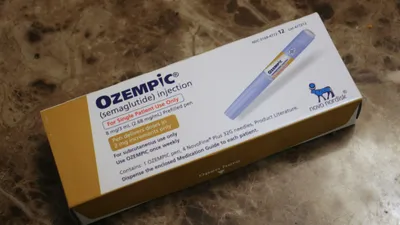
Ozempic and Overactive Bladder: 34% Fewer UTIs in New Data
Ozempic and overactive bladder: 2025 propensity-matched data show 34% fewer UTIs and roughly half the retention risk in GLP-1 users. What it means.
Evidence-based health information covering bladder conditions, treatments, supplements, and lifestyle guidance.
Showing 1-24 of 349 articles · Page 1 of 15
Ozempic and overactive bladder: 2025 propensity-matched data show 34% fewer UTIs and roughly half the retention risk in GLP-1 users. What it means.

Left side, legs elevated — the best sleeping position for overactive bladder, plus three evening fixes when position alone isn't enough to stop wake-ups.

Bladder health research in 2026: a new-class UTI antibiotic, an 82% bladder-cancer response, and the D-mannose trial that overturned popular UTI advice.
Double voiding adds 30 seconds to a bathroom trip and can shrink the residual urine that feeds recurrent UTIs. Step-by-step technique, plus who should skip it.
At year 9, 54% of MV140 UTI vaccine recipients were still UTI-free. The Phase 3 numbers, the access problem, and where the long-term data falls short.
All 16 patients in the 2024 ELIMINATE Phase 2 trial cleared their UTI by day 10 with CRISPR-enhanced phage therapy. Here's what the Lancet data actually shows.

Goldenrod for bladder health is German Commission E approved. Two open trials show 96% improvement, but no controls and an awkward antibiotic clash.

Most adults who say they have a small bladder actually don't — they have overactive bladder, a treatable condition. Here's how to tell the difference.

The 7-to-8-a-day figure repeated everywhere isn't backed by the largest healthy-women study. The real mean is closer to 5. Here's the honest range.
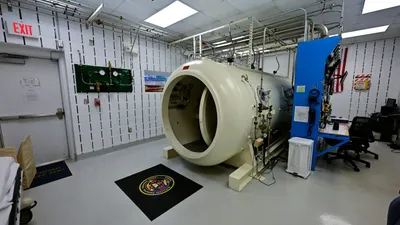
RICH-ART RCT plus a 2024 meta-analysis of 14 trials (556 patients) puts hyperbaric oxygen for radiation cystitis at 90% improvement. Access is the harder part.
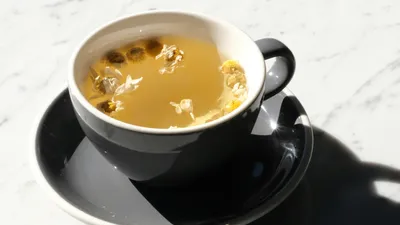
Chamomile tea calms bladder muscle but mildly raises urine output through hippurate excretion. Who tolerates it, who flares, what the human data shows.

Two positive diuretic RCTs. An NCCIH warning. A LiverTox flag. An Australian import ban. Five regulators, five verdicts on Equisetum arvense.
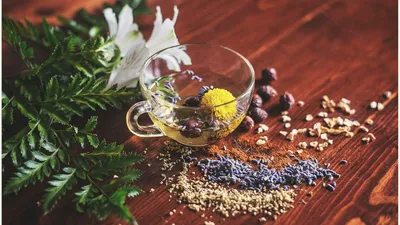
Horsetail beats corn silk on human evidence — two RCTs versus one null trial. The catch: both winning doses came from extract, not the tea you brew.
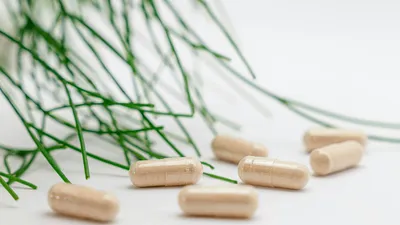
GR-1 and RC-14 are the most-studied probiotic strains for recurrent UTI. Where the trials landed, what dose works, why most pills miss the strain code.
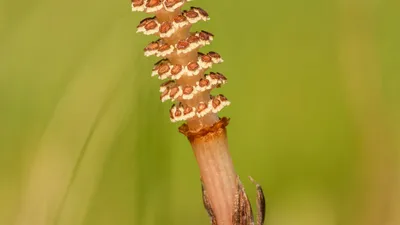
Horsetail tea side effects include thiamine depletion, lithium toxicity risk, and look-alike toxic species. What NCCIH and the EMA say about safe use.
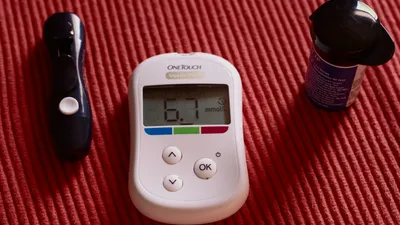
Diabetes damages bladder function in 43–87% of patients, often before symptoms appear. How cystopathy, neuropathy and HbA1c control change urinary outcomes.
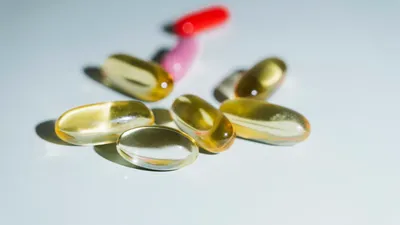
Vitamin D deficiency and urinary incontinence: women below 30 ng/mL have 45% higher risk. What blood levels protect bladder, when supplementing works.
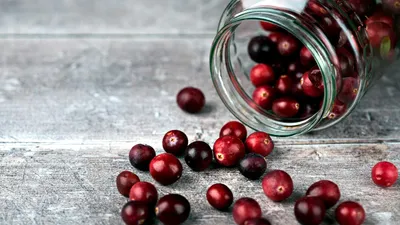
Cranberry juice or pills for UTI prevention? Both can work, but only if you hit 36 mg PACs daily. Here is the math behind picking one.
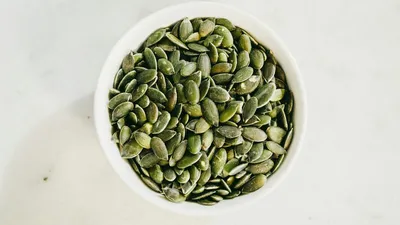
The largest trial on pumpkin seed extract for bladder health found 500 mg capsules failed against placebo, while 10 g of whole seed worked. Why form matters.
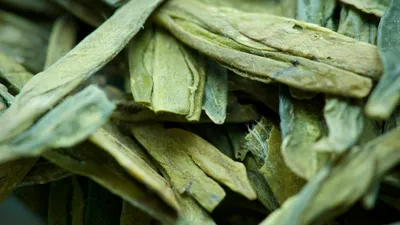
Buchu leaf has 200 years of traditional UTI use, German Commission E approval, and zero human RCTs. The honest read on antimicrobial activity and safety.
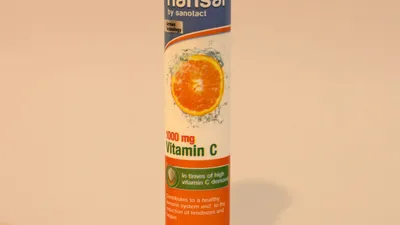
Vitamin C at night for UTI prevention assumes urine acidification works. Clinical trials show pH barely shifts — what the mechanism actually needs.
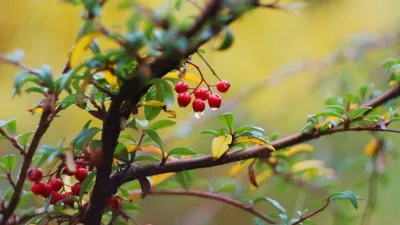
Uva ursi has real antimicrobial benefits but a strict 14-day safety limit. The full guide to bearberry side effects, drug interactions, and proper dosing.

CAUTI prevention hinges on one question: does this patient still need the catheter? The evidence-based bundle, intermittent vs indwelling, and infection signs.
The 2022 ALTAR trial found methenamine hippurate non-inferior to daily antibiotic prophylaxis for preventing recurrent UTIs in women. Here's the evidence.