Cranberry Juice vs Pills for UTI: The PAC Math
Cranberry juice or pills for UTI prevention? Both can work, but only if you hit 36 mg PACs daily. Here is the math behind picking one.
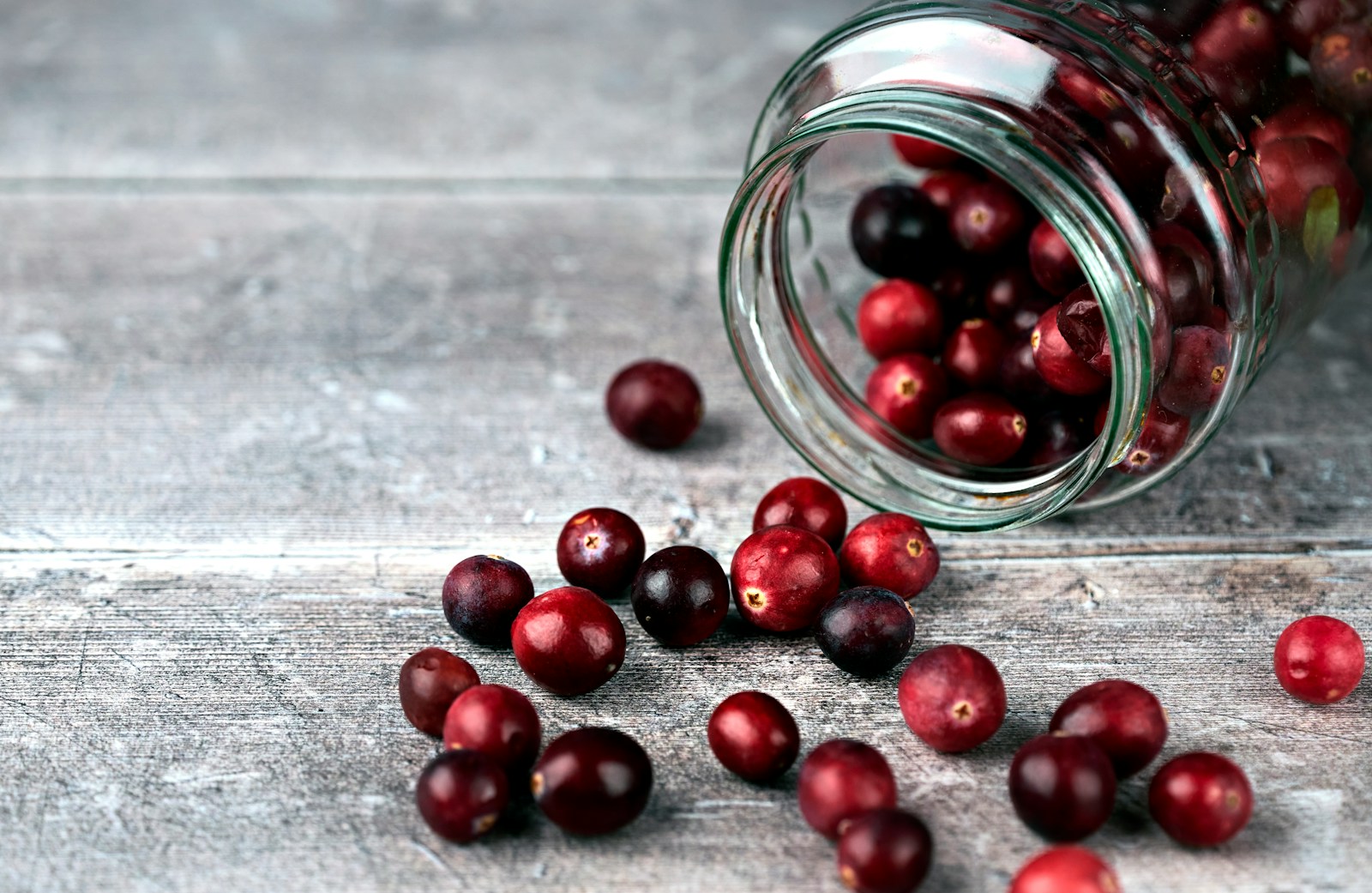
Cranberry pills sit on the same supplement shelf as everything else. Same packaging, same supplement-style claims, same vague dosage on the back label. Most people pick the one with the prettiest bottle.
Then they wonder why nothing changed.
The honest answer to “cranberry juice vs pills for UTI prevention” depends almost entirely on a single number that 80% of cranberry products fail to disclose. Below the threshold, neither option does anything. Above it, both work, with juice having a small statistical edge that comes with practical baggage.
Key Takeaways
- The threshold is 36 mg of soluble proanthocyanidins (PACs) daily — products below this fail to show benefit in trials
- A 2024 meta-analysis found cranberry juice reduced UTI risk by ~35% vs ~18% for capsules in head-to-head comparisons
- Most supermarket cranberry “cocktail” juices are 25-30% real juice and contain 25-30 g of added sugar per cup
- Many cheap capsules are made from pomace (juicing waste) and contain mostly insoluble PACs that do nothing in the urinary tract
- Juice and pills both need 12-24 weeks of continuous daily use to show measurable UTI prevention
- The practical winner depends on whether the product is standardised to soluble PAC content, not on the form
The Short Answer
If you can verify your cranberry juice is unsweetened and pure, and you can drink 240 mL of it daily, juice is slightly better than pills. The 2024 Frontiers in Nutrition meta-analysis found juice associated with a 35% relative risk reduction in UTI versus around 18% for capsules and tablets [1]. Whether that gap is real biology or trial-design artefact is debated, but it is the strongest direct comparison data available.
If you cannot face daily pure cranberry juice, or you have diabetes, kidney stones, or weight-loss concerns that make 30 g of fruit sugar a problem, a capsule standardised to 36 mg of soluble PACs daily is essentially equivalent. The catch is finding one that actually contains what the label claims.
The thing that does not work: drinking sweetened “cranberry cocktail” from the supermarket and assuming it counts. It does not. The PAC content is too low and the sugar load too high to be useful for anyone trying to prevent recurrent infections.
Why PACs Matter More Than Cranberry
Cranberry’s UTI mechanism is not antibacterial. The fruit does not kill bacteria. What it does is block the molecular grip uropathogenic E. coli uses to attach to bladder cells.
That grip relies on tiny hair-like proteins on the bacterial surface called type-1 and P-fimbriae. These fimbriae bind to specific sugars on the surface of bladder epithelial cells. If the bacteria can’t anchor, urine flow flushes them out before they can colonise. This is why hydration plus voiding is the most basic UTI prevention there is, and why anything that interferes with adhesion can prevent infections without killing anything.
A-type proanthocyanidins (PACs), specifically those found in cranberries, interfere with this binding. The B-type PACs in grapes, apples, and most other fruits do not. This is why generic “high-antioxidant” supplements don’t work for UTI prevention even when they have polyphenol content. The molecule shape matters.
Howell and colleagues published the foundational dose-response study in 2010 [2]. They tested 32 women across multiple study sites at four daily PAC doses (18, 36, 54, and 72 mg) using cranberry powder standardised for PAC content. Anti-adhesion activity in the participants’ urine was measured 24 hours after the last dose. Below 36 mg, the activity was indistinguishable from the lower doses. At 36 mg, it crossed into statistical significance and stayed there at higher doses.
This is the threshold every subsequent trial has either confirmed or worked around.
Cranberry Juice: Evidence and Practical Reality
When the 2023 Cochrane review pooled all available cranberry RCTs, juice came out slightly ahead of pills [3]. The 2024 Frontiers meta-analysis covering 20 trials found a 35% reduction in UTI risk for juice and 18% for capsules [1]. Why the gap?
The most likely explanation is that pure juice extract contains a higher proportion of soluble PACs, the form that actually shows up in urine and creates anti-adhesion activity. Insoluble PACs, found heavily in pomace-based capsules, pass through the gut largely intact and contribute nothing measurable to urinary activity [4].
A practical look at what 36 mg of PACs from juice actually means:
| Juice type | Real cranberry content | Approximate PACs per 240 mL | Volume to hit 36 mg |
|---|---|---|---|
| Pure unsweetened juice | 100% | 60-90 mg total, 30-50 mg soluble | 200-300 mL |
| Cranberry juice cocktail | 25-30% | 15-25 mg total | 700-900 mL |
| ”Light” cranberry blends | 15-25% | 10-20 mg total | 900-1200 mL |
| White cranberry juice | Variable | Lower (PACs in red skin) | Often insufficient |
Pure juice does the job at one decent-sized glass per day. Cocktail juice requires drinking close to a litre to hit the threshold, which puts you well over 50 g of added sugar daily, close to twice the World Health Organization’s recommended sugar limit.
The case against juice is also blunt: it is acidic enough to irritate the bladder wall in some people with interstitial cystitis, it stains teeth, and pure unsweetened juice is genuinely sour. Most people who claim to drink cranberry juice daily for UTI prevention are not drinking the form that has the evidence.
Evidence grade for cranberry juice (PAC-standardised, ≥36 mg/day): Moderate. Multiple RCTs, consistent direction of effect, ~30-35% relative risk reduction in recurrent UTI populations.
Evidence grade for cranberry juice cocktail (sweetened): Insufficient. Trials using cocktail-style juice show smaller effects, likely due to underdosing of PACs.
Cranberry Pills: Evidence and the Pomace Problem
Pills should be the easier answer. Standardised dose, no sugar, no daily glass of bitter juice. The trials should slam-dunk it.
They mostly don’t.
A 2014 RCT in long-term care facilities tested cranberry capsules in 928 elderly residents over 12 months [5]. The result was essentially null: no significant reduction in UTI rates. This trial used 500 mg cranberry extract twice daily, but the soluble PAC content of that extract was never standardised. Looking back, it almost certainly delivered well below 36 mg of soluble PACs per day.
The 2021 PACCANN trial took a different approach [6]. Researchers compared two PAC doses (18 mg vs 36 mg daily) of standardised cranberry extract in 145 women with recurrent UTI. Both groups improved over the trial period, but the 36 mg group showed numerically better results. The trial was small, but it sat on the right side of the threshold and confirmed that dose, not form, is the lever.
The structural problem with cranberry pills is the supply chain. Most cheap capsules are made from cranberry pomace, the fibre, skin, and seeds left over after the juice is pressed out. Pomace contains plenty of cranberry-derived material, but the soluble A-type PACs are concentrated in the juice fraction. Pomace-based capsules can be labelled as “cranberry extract” while delivering almost no soluble PACs.
The 2021 Journal of Dietary Supplements paper compared urinary anti-adhesion activity after intake of soluble-PAC versus insoluble-PAC cranberry products [4]. Soluble-PAC products produced significantly higher urinary anti-adhesion activity. Insoluble-PAC products produced negligible activity. Same total cranberry content. Different molecular form. Different result.
If you are buying cranberry capsules and the label does not specify “soluble PACs” or “PACs by BL-DMAC method” with a number, you are probably buying pomace.
Evidence grade for cranberry capsules with verified ≥36 mg soluble PACs/day: Moderate. Smaller effect size than juice in head-to-head data, but still meaningful and easier to take consistently.
Evidence grade for unverified cranberry capsules (most retail products): Low to negligible. Many fail to deliver enough soluble PACs to cross the activity threshold.
Side-by-Side Comparison
| Factor | Cranberry juice (pure, unsweetened) | Cranberry pills (PAC-standardised) | Cranberry pills (pomace) |
|---|---|---|---|
| Evidence quality | Moderate (multiple RCTs, ~35% RRR) | Moderate (RCTs, ~18% RRR) | Negligible (mostly null trials) |
| Soluble PAC delivery | High at 240 mL daily | High if standardised | Low |
| Sugar burden | ~12 g natural sugar per 240 mL | None | None |
| Acidity / bladder irritation | Possible issue for IC patients | None | None |
| Convenience | Daily glass needed | One-two capsules daily | One-two capsules daily |
| Cost per month (AUD) | $30-50 (pure juice) | $40-80 (verified brand) | $15-30 (cheap retail) |
| Cost per effective dose | Reasonable | Reasonable | Poor — paying for nothing |
The honest conclusion: at the prices that matter, the cheap pomace pills are not the bargain they look like. You are paying $20 a month for capsules that don’t cross the activity threshold. Buying the verified brand or drinking pure juice costs more upfront but is the difference between an intervention and a placebo.
When Cranberry Won’t Be Enough
Cranberry is a prevention tool. It does not treat active infections. If you have burning during urination, blood in your urine, urinary frequency that started this week, or flank pain, that is an active urinary tract infection or possible kidney involvement and you need a urine culture and likely antibiotics. Drinking more cranberry juice will not clear it.
If you have had three or more UTIs in 12 months despite consistent cranberry use at the right dose, the next steps are usually methenamine hippurate prescription, a referral to look for recurrent UTI workup including post-void residual measurement, or vaginal oestrogen if you are postmenopausal. Cranberry alone is not the strongest tool in the box.
If you are diabetic, the sugar load from juice is genuinely a problem. Stick with a verified PAC-standardised capsule or look at D-mannose alternatives, which has stronger evidence than cranberry for E. coli–driven UTIs and contains no sugar in the dosing form most people use.
If you are on warfarin, cranberry has theoretical interactions with vitamin K metabolism. The clinical data on this is mixed, but it is worth a flag to your GP before starting daily cranberry.
Picking the Right Product: A Decision Framework
If you are buying cranberry pills, look for these on the label in this order:
- Soluble PACs by BL-DMAC method: This is the standardised assay. A reputable label states “36 mg soluble PACs per serving” or “BL-DMAC verified.” If it just says “500 mg cranberry extract,” skip it.
- Juice extract, not pomace: “Whole cranberry powder” usually means pomace. “Cranberry juice extract” or “fruit-only” is what you want.
- Daily dose at 36 mg or above: Below this number is not worth your money.
- Continuous daily use plan: If you only take it sporadically, you are wasting it. The mechanism requires daily presence.
If you are buying cranberry juice:
- 100% juice, no added sugar: Read the back label, not the front. Cocktail-style juices are 25-30% real juice with significant added sugar.
- 240 mL daily as a baseline: Less than this and you may not hit the soluble PAC threshold, though pure juice generally does.
- Drink it at a consistent time: Doesn’t matter whether morning or evening for prevention purposes; consistency matters more than timing.
- Combine with adequate hydration and post-coital voiding if your UTIs have a sex-related trigger pattern.
The single thing not to do: alternate between forms hoping one will stick. The 12-24 week continuous use requirement applies to whichever form you pick. Switching weekly resets the clock without giving any single approach a chance to work.
What People Ask
Does cranberry juice help with an active UTI?
No. The mechanism is bacterial anti-adhesion, which prevents new bacteria attaching but does not kill bacteria that have already colonised. Active UTIs need antibiotics. If your symptoms have not cleared in 48 hours of self-care, get a urine culture.
Is cranberry juice or pills better for postmenopausal women?
The 2014 long-term care trial used pills and found no benefit, but it almost certainly underdosed PACs. For postmenopausal women, vaginal oestrogen has stronger UTI-prevention evidence than cranberry of any form. Cranberry can be a reasonable addition if your GP has already addressed the oestrogen question. See our piece on UTI prevention in elderly women for more.
Can I drink cranberry juice while taking vitamin C for UTI prevention?
Yes, the two do different things and don’t interact in any concerning way. Cranberry blocks adhesion; vitamin C’s mechanism (if it works at all) involves urine acidification and reactive nitrogen species. Most prevention regimens layer multiple low-cost interventions. Just be aware of the combined sugar load if you are using sweetened juice.
How much cranberry juice causes kidney stones?
Cranberry juice is high in oxalate, and large daily volumes (more than 1 litre per day) have been associated with increased calcium oxalate stone risk in susceptible people. The 240-300 mL pure juice volumes used for UTI prevention sit well below the level where stone risk becomes a concern for most people, but if you have a calcium oxalate stone history, capsules are the safer form.
Why did my cranberry pills not work for me?
Probably because they were pomace-based. Check the label for “soluble PACs” with a milligram number at or above 36 mg per daily serving. If it just says “cranberry extract” with no PAC quantification, the product was probably not delivering an effective dose regardless of how religiously you took it.
Is whole-fruit cranberry powder the same as juice extract?
No. Whole-fruit powder includes the pomace, which dilutes the soluble PAC content. Juice extract products concentrate the soluble fraction. For UTI prevention, the juice extract is what carries the evidence.
The Take-Home
Most cranberry products fail because they don’t deliver 36 mg of soluble PACs daily. Pure unsweetened juice generally does at 240 mL. PAC-standardised juice-extract capsules generally do at the labelled dose. Cocktail juice and pomace-based pills generally don’t, regardless of how much you consume.
Pick whichever form you’ll actually take consistently for 12 to 24 weeks, verify the soluble PAC content, and accept that this is one tool among several rather than the silver bullet the marketing implies. If you’ve already tried cranberry at the right dose for the right duration and your recurrent UTIs persist, the next conversation is with a urologist, not a different cranberry brand.
References
-
Yang H, Wang J, Yu Y, et al. Preventive effect of cranberries with high dose of proanthocyanidins on urinary tract infections: a meta-analysis and systematic review. Front Nutr. 2024;11:1422121. Frontiers
-
Howell AB, Botto H, Combescure C, et al. Dosage effect on uropathogenic Escherichia coli anti-adhesion activity in urine following consumption of cranberry powder standardized for proanthocyanidin content: a multicentric randomized double blind study. BMC Infect Dis. 2010;10:94. PMC
-
Williams G, Hahn D, Stephens JH, Craig JC, Hodson EM. Cranberries for preventing urinary tract infections. Cochrane Database Syst Rev. 2023;4(4):CD001321. PMC
-
Khoo C, Duysburgh C, Marzorati M, et al. Differences in urinary bacterial anti-adhesion activity after intake of cranberry dietary supplements with soluble versus insoluble proanthocyanidins. J Diet Suppl. 2022;19(5):587-602. Tandfonline
-
Caljouw MA, van den Hout WB, Putter H, et al. Effectiveness of cranberry capsules to prevent urinary tract infections in vulnerable older persons: a double-blind randomized placebo-controlled trial in long-term care facilities. J Am Geriatr Soc. 2014;62(1):103-110. PMC
-
Babar A, Moore L, Leblanc V, et al. High dose versus low dose standardized cranberry proanthocyanidin extract for the prevention of recurrent urinary tract infection in healthy women: a double-blind randomized controlled trial. BMC Urol. 2021;21(1):44. PMC
Frequently Asked Questions
- Is cranberry juice or pills better for UTI prevention?
- A 2024 meta-analysis suggested cranberry juice slightly outperformed capsules in head-to-head data, with juice associated with roughly a 35% relative reduction in UTI risk versus 18% for capsules. The practical answer depends on whether your product hits the 36 mg PAC daily threshold. Most supermarket juices and many cheap capsules do not.
- How much cranberry juice equals 36 mg of PACs?
- Pure unsweetened cranberry juice contains roughly 60 to 90 mg of total PACs per 240 mL (8 oz) cup, but only the soluble PAC fraction matters for UTI prevention. To hit 36 mg of soluble PACs daily from juice you typically need around 240 to 300 mL of pure unsweetened juice. Cocktail-style juices diluted with sugar and other juices may need 2 to 3 times that volume.
- Why do most cranberry pills not work?
- Many cheaper cranberry capsules are made from pomace, the fibrous waste left after juicing. Pomace contains insoluble PACs that pass through the gut without producing the urinary anti-adhesion activity needed to prevent bacteria sticking to the bladder wall. Soluble PACs, the active form for UTI prevention, are concentrated in juice extract products and have to be specifically extracted.
- How long do you need to take cranberry to prevent UTIs?
- Continuous daily use for 12 to 24 weeks is what the trials show as the duration needed for measurable UTI risk reduction. Stopping after a week or two is unlikely to do anything. The mechanism is anti-adhesion in the bladder, not bacterial killing, so the cranberry needs to be present continuously to block bacteria as they arrive.
- Can you take cranberry pills with antibiotics for an active UTI?
- Cranberry does not interfere with most antibiotics used for UTIs, but it also does not treat an active infection. The anti-adhesion mechanism works for prevention, not for clearing established infections. If you are on antibiotics for a current UTI, finish the course and start cranberry afterwards if your goal is preventing the next one.
- Is cranberry juice with sugar still effective for UTI prevention?
- Sweetened cranberry cocktail typically contains 25 to 30% real cranberry juice and significant added sugar. The PAC content per glass is far lower than pure juice, and the sugar load can drive 50 to 60 grams of added sugar per day if you drink the volume needed for prevention. For UTI-specific use, unsweetened juice or a verified PAC-standardised capsule is a better choice.
Medical Disclaimer: The information provided is for educational purposes only and should not be considered as medical advice. Always consult with a qualified healthcare professional before making any changes to your diet, supplement regimen, or treatment plan.
Was this article helpful?