Hyperbaric Oxygen for Radiation Cystitis: 14-Trial Review
RICH-ART RCT plus a 2024 meta-analysis of 14 trials (556 patients) puts hyperbaric oxygen for radiation cystitis at 90% improvement. Access is the harder part.
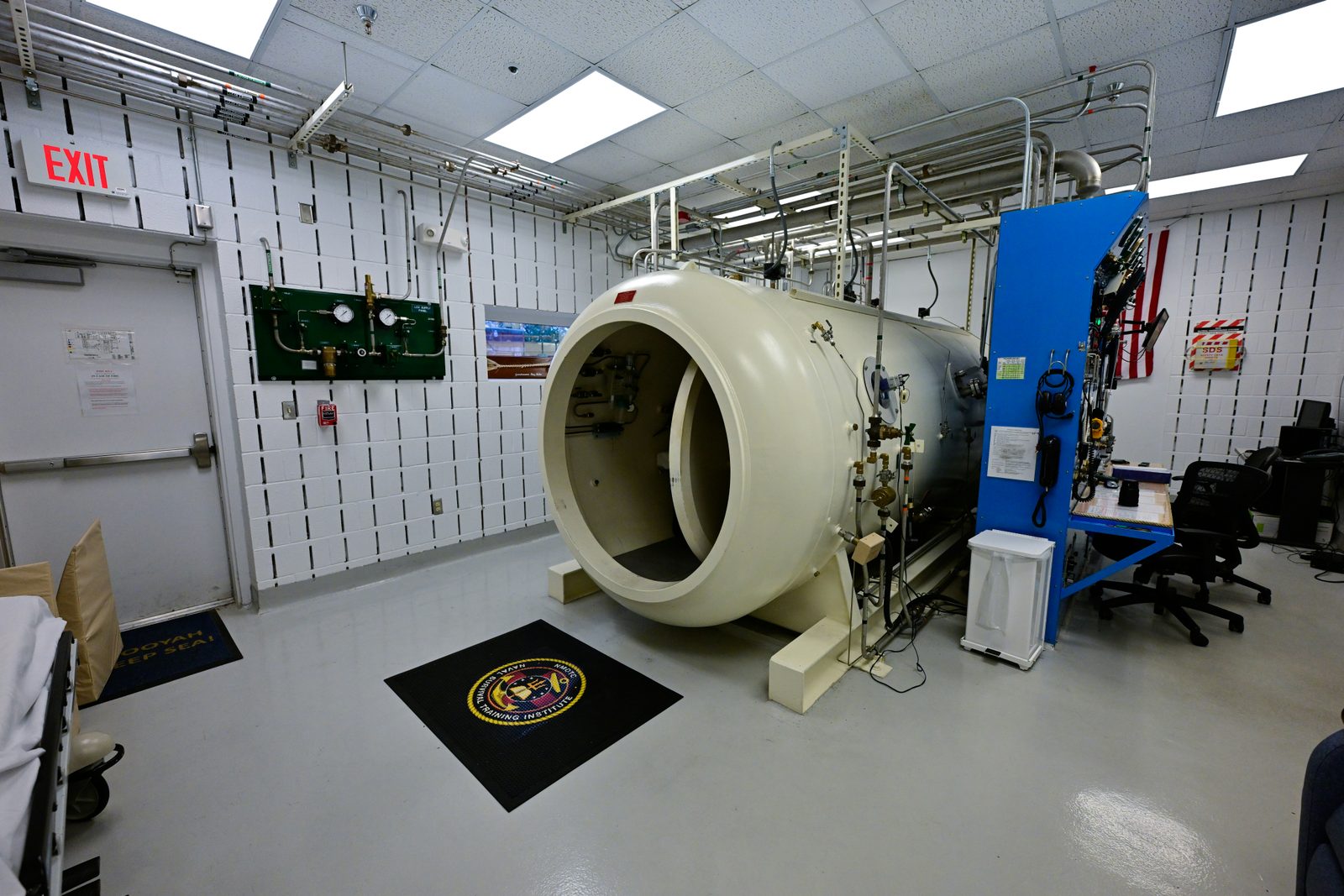
Across 14 studies and 556 patients, hyperbaric oxygen produced symptom improvement in 89.9% of people with radiation cystitis. Complete remission in 54.9%. Partial in 35.1%. Major adverse events: none [1]. That is the 2024 meta-analysis of every available trial on hyperbaric oxygen for radiation cystitis, and it is one of the strongest evidence summaries in late-radiation-injury treatment.
Access is the catch. Radiation cystitis affects roughly 5–10% of patients after pelvic radiotherapy for prostate, cervical, bladder, or rectal cancer [2]. Symptoms range from urgency and frequency through to life-threatening hematuria. Conservative treatment, irrigation, and cautery control bleeding for a while, but recurrence is the norm. Hyperbaric oxygen is the one intervention with randomised evidence behind it, and most affected patients never hear about it.
Key Takeaways
- Hyperbaric oxygen for radiation cystitis produces overall improvement in 89.9% of patients across 14 pooled studies (n=556), with 54.9% reaching complete remission [1]
- The RICH-ART phase 2–3 RCT (n=79) found a 10.1-point greater EPIC urinary score improvement at 6–8 months versus standard care (p=0.013) [3]
- The mechanism is neovascularisation of radiation-damaged tissue, and the angiogenic benefit can persist for years
- Early treatment matters: 96% complete response when HBOT starts within 6 months of hematuria onset, dropping to 66% later [4]
- Medicare and most private insurance cover HBOT for radiation cystitis with prior authorisation; CMS data shows lower transfusion, procedure, and mortality rates plus net cost savings [5]
The RICH-ART Trial: The Strongest Single Piece of Evidence
The randomised evidence for hyperbaric oxygen for radiation cystitis rests heavily on one trial. RICH-ART (Radiation Induced Cystitis treated with Hyperbaric oxygen, A Randomised controlled Trial) was a Nordic phase 2–3 study published in Lancet Oncology in November 2019 by Oscarsson and colleagues [3].
Seventy-nine patients with late radiation cystitis, all at least 6 months past pelvic radiotherapy and scoring below 80 on the EPIC urinary domain, were randomised. Forty-one received hyperbaric oxygen therapy (30–40 daily sessions at 240–250 kPa, breathing 100% oxygen for 80–90 minutes). Thirty-eight received standard care.
At 6–8 months, the HBOT group’s EPIC urinary total score had improved by 17.8 points. The standard care group improved by 7.7 points. The 10.1-point gap was statistically significant (95% CI 2.2–18.1; p=0.013). HBOT also beat standard care on EPIC bother and incontinence subscores, bowel scores, and SF-36 general health [3].
RICH-ART was not a flawless trial. It ran unblinded — true sham hyperbaric treatment is logistically expensive and ethically debated. Forty-one percent of the HBOT group had transient grade 1–2 adverse events, mostly sight and hearing changes related to pressure, all of which resolved after treatment ended. No major events occurred.
A 2025 long-term follow-up published in eClinicalMedicine tracked the same cohort years later. Most HBOT responders sustained their improvement. A small subset relapsed and needed a second course.
How Hyperbaric Oxygen Actually Heals Radiated Tissue
This is where hyperbaric oxygen for radiation cystitis is mechanistically different from every other treatment on the table.
Radiation cystitis is, at the tissue level, a microvascular disease. Radiation damages the small blood vessels in the bladder wall over months to years. Capillary density drops. The tissue becomes ischemic and fibrotic. Healing capacity collapses. Even small mucosal injuries, from a stone, an infection, or a catheter, fail to heal and turn into chronic bleeding sites.
HBOT works on this directly. Breathing 100% oxygen at 2 to 2.5 atmospheres delivers around 10 to 15 times the dissolved oxygen of breathing room air. That oxygen reaches tissue depths that capillaries cannot. It restores function to macrophages, fibroblasts, and granulocytes — the cells your body uses to heal wounds. And critically, it triggers neovascularisation: the growth of new small blood vessels into the ischemic area [2].
Side note: this is the same mechanism that earned HBOT its place in chronic diabetic ulcer treatment. Different tissue, same biology.
Here is the part that matters for durability. The new capillary network does not vanish when you stop HBOT. Tissue oxygen levels stay elevated for years after treatment ends [2]. That is why a 30–40 session course can produce remission that holds for the patient’s remaining life expectancy, while bladder irrigation and electrocautery need to be repeated each time bleeding returns.
What the 2024 Meta-Analysis Adds
RICH-ART is one trial. The bigger picture comes from a 2024 systematic review and meta-analysis published in the Journal of Clinical Medicine by Wei and colleagues [1]. They pooled 14 studies (3 RCTs, 3 prospective, and 8 retrospective) totalling 556 patients with a mean age of 67.
The pooled numbers:
- Overall symptom improvement: 89.9%
- Complete remission: 54.9% (95% CI 51–59%)
- Partial remission: 35.1% (95% CI 31–39%)
- Minor adverse events: 5.2%
- Major adverse events: 0
Eight of the 14 studies were retrospective, which lowers the evidence quality. Retrospective case series tend to overestimate response rates because the worst non-responders sometimes never make it back to the clinic for assessment. RCT-only pooled rates would likely be somewhat lower than 89.9%.
Even with that caveat, the safety signal is the most consistent finding. Across 556 patients, no major adverse events. Among the most-treated subgroup (40+ sessions), no different. This is unusual in interventional medicine.
HBOT vs Standard Conservative Treatment
Standard care for radiation cystitis is layered. Conservative first: hydration, anticholinergics for urgency, tranexamic acid for bleeding. Then bladder irrigation with continuous saline if hematuria is significant. Then intravesical instillations (formalin, aluminium, hyaluronic acid). Endoscopic electrocautery to seal individual bleeding sites. Last resort: cystectomy.
| Approach | Mechanism | Evidence Level | Durability | Main Drawback |
|---|---|---|---|---|
| Hyperbaric oxygen | Neovascularisation of damaged tissue | 1 RCT + meta-analysis | Years; can be permanent | 30–40 daily sessions; access |
| Bladder irrigation | Flushes clots, dilutes bleeding | Standard of care, low-grade | Hours to days | Hospitalisation; recurrence common |
| Intravesical formalin | Chemical cauterisation | Case series only | Weeks to months | Painful; can damage detrusor; ureteric reflux risk |
| Intravesical hyaluronic acid | Restores GAG layer | Small RCTs | Months; needs repeat | Cost; modest effect |
| Endoscopic cautery | Seals individual bleeders | Standard of care | Until next bleed | Anaesthesia; can worsen fibrosis |
| Cystectomy | Removes the bladder | Definitive | Permanent | Major surgery; stoma or neobladder |
CMS data published in Undersea & Hyperbaric Medicine in 2024 puts numbers on the comparison [5]. Matched Medicare patients with radiation cystitis who received HBOT versus standard care had:
- 36% reduction in urinary bleeding events
- 78% reduction in transfusion frequency for hematuria
- 31% fewer endoscopic procedures
- 53% reduction in mortality at 1 year
- Net Medicare savings of around 5,000 USD per patient in year one, rising to 11,500 USD when 40+ sessions were delivered
The mortality reduction in particular is striking. It probably reflects fewer transfusion-related complications, fewer hospitalisations for uncontrolled bleeding, and fewer high-risk salvage surgeries. The cost savings come from the same source: HBOT is expensive up front, but the avoided downstream care is more expensive.
The Protocol That Actually Worked in Trials
Pulling protocol details from the trials and the 2024 meta-analysis:
- Sessions: 30–40 typical (range 20–120 across studies)
- Pressure: 2.0–2.5 ATA (240–250 kPa)
- Duration: 80–90 minutes per session
- Frequency: Daily, 5 days per week
- Oxygen: 100%, breathed through a mask or hood inside the chamber
- Stopping rule: Continue until complete response, or stop at 40–45 sessions if no measurable improvement
This is a serious time commitment. Five days a week for six to eight weeks. Most patients lose at least one work day per week to chamber time plus travel. Few do this without family transport help, especially if vision changes during the course of treatment.
Early treatment matters more than people assume. Dellis and colleagues found 96% complete response when HBOT was started within 6 months of hematuria onset, versus 66% when started later [4]. Tissue that has fibrosed for years responds less well than tissue still in the inflammatory phase. If you or someone you care for develops new bladder bleeding after pelvic radiation, do not wait six months trying conservative options. Ask about a hyperbaric referral early.
Cost, Coverage, and Access Reality
Hard-shell medical HBOT runs around 200–400 USD per session at private clinics. A 40-session course is 8,000–16,000 USD out of pocket. Soft-shell chambers (the inflatable, low-pressure kind sold for wellness use) are not the same therapy and will not reach the pressures that have been studied for radiation cystitis. Do not substitute.
Insurance coverage is good news. Radiation cystitis is on Medicare’s covered indications list, alongside late radiation tissue injury of other sites, soft-tissue necrosis, chronic refractory osteomyelitis, and several others. Most private insurers follow Medicare. Prior authorisation is usually required, and centres familiar with the indication will handle the paperwork.
Geography is the bigger access barrier. Hyperbaric chambers are clustered in major cities and academic medical centres. Rural patients sometimes drive two hours each way for daily sessions. A small number of clinics offer accommodation packages. If you are looking for a centre, the Undersea and Hyperbaric Medical Society maintains a directory, and your radiation oncologist’s department can usually identify the nearest accredited facility.
The Honest Case Against HBOT
A few legitimate criticisms:
The RCT base is thin. Only one well-powered randomised trial (RICH-ART, n=79) has been published. The rest of the evidence is observational. RCT-only pooled response rates would be lower than the 89.9% meta-analysis headline.
Sample sizes in trials are small. RICH-ART is the largest RCT. Confidence intervals on subgroup effects are wide. A patient who falls outside the central tendency cannot count on the trial averages applying to them personally.
Not all radiation cystitis responds. About 10% of patients in the meta-analysis had no measurable benefit. There is no validated test yet to predict who will respond and who will not.
The time cost is high. Six to eight weeks of daily treatment is harder than it sounds. Some patients do not complete the course.
The placebo question is real. EPIC scores are patient-reported. Pressure-based sham control is logistically expensive (a real chamber pressurised to a sub-therapeutic 1.1–1.3 ATA). RICH-ART did not include one. The size of the effect makes pure placebo unlikely as the full explanation, but residual placebo contribution cannot be ruled out.
When Conservative Care Isn’t Enough
Talk to a radiation oncologist or urologist about referral for hyperbaric oxygen if:
- Hematuria after pelvic radiotherapy persists beyond 4 weeks of conservative care
- You have needed a blood transfusion for radiation cystitis bleeding
- You have had an endoscopic intervention (cautery, fulguration) and bleeding has returned
- Your urinary symptoms remain severe (EPIC urinary <80, frequent waking for nocturia, persistent urgency) 6+ months after radiotherapy
- You are starting to dread cystectomy as the next step
Go to the emergency department, not a hyperbaric referral, if:
- You are passing large clots or are unable to urinate
- You feel faint, light-headed, or short of breath (signs of significant blood loss)
- You develop fever with bladder symptoms (possible infected hemorrhagic cystitis)
HBOT is an elective referral, not an emergency intervention. The bleeding has to be stabilised first.
Common Questions
How many HBOT sessions are needed for radiation cystitis?
Trial protocols range from 20 to 45 sessions, with 30 to 40 being typical. The RICH-ART trial used 30 to 40 daily sessions at 240 to 250 kPa. The 2024 meta-analysis pooled studies using 40 to 120 sessions. Most clinics stop early if hematuria fully resolves, or continue past 40 only if measurable improvement is happening.
Does insurance or Medicare cover HBOT for radiation cystitis?
Yes for hard-shell medical HBOT. Radiation cystitis is on the Medicare-approved indication list, and most private insurers cover it with prior authorisation. A CMS-controlled study published in 2024 found unadjusted Medicare savings of around 5,000 USD per patient in the first year after HBOT, rising to 11,500 USD when at least 40 sessions were delivered.
How long after radiation can you start HBOT for cystitis?
There is no hard cutoff, but earlier is better. RICH-ART enrolled patients at least 6 months after pelvic radiotherapy. Observational data from the Dellis protocol found 96 percent complete response when HBOT started within 6 months of hematuria onset, compared with 66 percent when started later. Talk to your radiation oncologist as soon as cystitis symptoms appear.
Is HBOT better than bladder irrigation or electrocautery for radiation cystitis?
HBOT treats the underlying tissue injury rather than just stopping current bleeding. Irrigation and cautery are short-term controls and recurrence is common. The CMS-controlled study found HBOT patients had 78 percent fewer transfusions and 31 percent fewer endoscopic procedures than matched controls receiving standard care. Most centres now use HBOT after initial bleeding is stabilised.
What are the side effects of hyperbaric oxygen therapy?
In RICH-ART, 41 percent of HBOT patients had transient grade 1 to 2 events, mostly sight and hearing changes that resolved after treatment ended. The 2024 meta-analysis pooled minor adverse events at 5.2 percent across 556 patients, with no major events reported. Ear barotrauma is the most common practical issue and is usually managed with valsalva training before sessions.
Can HBOT cure radiation cystitis permanently?
It can produce durable remission in a large subset of patients. The proposed mechanism involves permanent neovascularisation of ischemic bladder tissue, which means the benefit can persist for years rather than fading like a drug effect. RICH-ART long-term follow-up data from 2025 showed sustained improvement in most responders, although a minority of patients relapse and need a second HBOT course.
What to Watch For Next
Two pieces of research are likely to reshape this field in the next 24–36 months. First, larger phase 3 trials are in planning that will probably narrow the confidence interval on the RCT effect size. Second, biomarker work that looks at urinary cytokines, bladder wall imaging, and tissue oxygenation may eventually identify which patients respond best, allowing clinics to triage their referrals. Until that happens, the practical advice from the evidence is simple: if hematuria from radiation cystitis is persistent or recurrent, ask about a hyperbaric oxygen for radiation cystitis referral earlier than feels comfortable. The treatment works best when it works first.
For the broader symptom-management picture, see our companion guides on radiation cystitis treatment and natural remedies and hemorrhagic cystitis natural treatment.
References
- Wei W, Zhou J, Zhang Y, et al. Efficacy and Safety of Hyperbaric Oxygen Therapy for Radiation-Induced Hemorrhagic Cystitis: A Systematic Review and Meta-Analysis. Journal of Clinical Medicine. 2024;13(16):4724. PMC
- Dieu A, et al. Narrative review of hyperbaric oxygen therapy for radiation induced hemorrhagic cystitis. AME Medical Journal. 2021. AME
- Oscarsson N, Müller B, Rosén A, et al. Radiation-induced cystitis treated with hyperbaric oxygen therapy (RICH-ART): a randomised, controlled, phase 2-3 trial. Lancet Oncology. 2019;20(11):1602-1614. PubMed
- Mougin J, Souday V, Martin F, et al. Evaluation of Hyperbaric Oxygen Therapy in the Treatment of Radiation-Induced Hemorrhagic Cystitis. Urology. 2016;94:42-46.
- Tibbles PM, et al. Controlled CMS Data Demonstrates a Cost and Clinical Advantage for Hyperbaric Oxygen for Radiation Cystitis. Undersea & Hyperbaric Medicine. 2024;51(2). UHMS
Frequently Asked Questions
- How many HBOT sessions are needed for radiation cystitis?
- Trial protocols range from 20 to 45 sessions, with 30 to 40 being typical. The RICH-ART trial used 30 to 40 daily sessions at 240 to 250 kPa. The 2024 meta-analysis pooled studies using 40 to 120 sessions. Most clinics stop early if hematuria fully resolves, or continue past 40 only if measurable improvement is happening.
- Does insurance or Medicare cover HBOT for radiation cystitis?
- Yes for hard-shell medical HBOT. Radiation cystitis is on the Medicare-approved indication list, and most private insurers cover it with prior authorisation. A CMS-controlled study published in 2024 found unadjusted Medicare savings of around 5,000 USD per patient in the first year after HBOT, rising to 11,500 USD when at least 40 sessions were delivered.
- How long after radiation can you start HBOT for cystitis?
- There is no hard cutoff, but earlier is better. RICH-ART enrolled patients at least 6 months after pelvic radiotherapy. Observational data from the Dellis protocol found 96 percent complete response when HBOT started within 6 months of hematuria onset, compared with 66 percent when started later. Talk to your radiation oncologist as soon as cystitis symptoms appear.
- Is HBOT better than bladder irrigation or electrocautery for radiation cystitis?
- HBOT treats the underlying tissue injury rather than just stopping current bleeding. Irrigation and cautery are short-term controls and recurrence is common. The CMS-controlled study found HBOT patients had 78 percent fewer transfusions and 31 percent fewer endoscopic procedures than matched controls receiving standard care. Most centres now use HBOT after initial bleeding is stabilised.
- What are the side effects of hyperbaric oxygen therapy?
- In RICH-ART, 41 percent of HBOT patients had transient grade 1 to 2 events, mostly sight and hearing changes that resolved after treatment ended. The 2024 meta-analysis pooled minor adverse events at 5.2 percent across 556 patients, with no major events reported. Ear barotrauma is the most common practical issue and is usually managed with valsalva training before sessions.
- Can HBOT cure radiation cystitis permanently?
- It can produce durable remission in a large subset of patients. The proposed mechanism involves permanent neovascularisation of ischemic bladder tissue, which means the benefit can persist for years rather than fading like a drug effect. RICH-ART long-term follow-up data from 2025 showed sustained improvement in most responders, although a minority of patients relapse and need a second HBOT course.
Medical Disclaimer: The information provided is for educational purposes only and should not be considered as medical advice. Always consult with a qualified healthcare professional before making any changes to your diet, supplement regimen, or treatment plan.
Was this article helpful?