Research
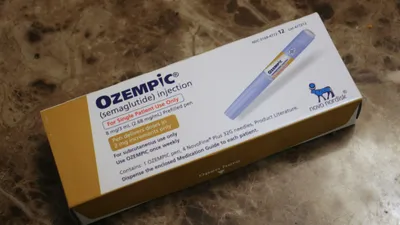
Ozempic and Overactive Bladder: 34% Fewer UTIs in New Data
Ozempic and overactive bladder: 2025 propensity-matched data show 34% fewer UTIs and roughly half the retention risk in GLP-1 users. What it means.
Latest research and clinical studies on bladder conditions, treatments, and emerging therapies. Stay informed about advances in bladder health science.
16 items in Research
Ozempic and overactive bladder: 2025 propensity-matched data show 34% fewer UTIs and roughly half the retention risk in GLP-1 users. What it means.

Bladder health research in 2026: a new-class UTI antibiotic, an 82% bladder-cancer response, and the D-mannose trial that overturned popular UTI advice.
At year 9, 54% of MV140 UTI vaccine recipients were still UTI-free. The Phase 3 numbers, the access problem, and where the long-term data falls short.
All 16 patients in the 2024 ELIMINATE Phase 2 trial cleared their UTI by day 10 with CRISPR-enhanced phage therapy. Here's what the Lancet data actually shows.
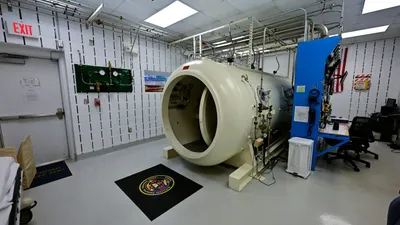
RICH-ART RCT plus a 2024 meta-analysis of 14 trials (556 patients) puts hyperbaric oxygen for radiation cystitis at 90% improvement. Access is the harder part.
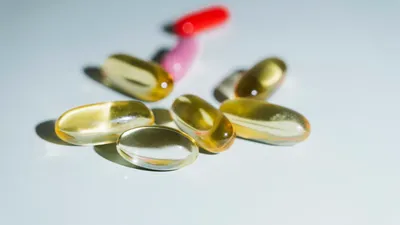
Vitamin D deficiency and urinary incontinence: women below 30 ng/mL have 45% higher risk. What blood levels protect bladder, when supplementing works.
The 2022 ALTAR trial found methenamine hippurate non-inferior to daily antibiotic prophylaxis for preventing recurrent UTIs in women. Here's the evidence.

Latest research on ketamine bladder syndrome, how norketamine damages the bladder, new treatments like baclofen, and prevention for therapeutic users.

Your bladder isn't sterile. New research reveals how the urinary microbiome affects UTIs, overactive bladder, and interstitial cystitis treatment.
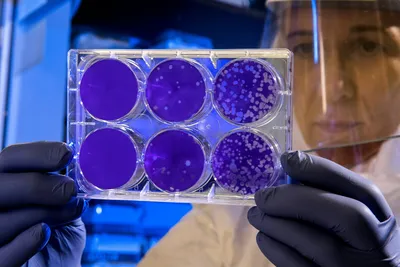
New gene therapy for overactive bladder shows promising results in clinical trials. We review the URO-902 and EG110A data and what they mean for patients.
Research links vitamin D deficiency to overactive bladder, urinary incontinence, and UTIs. Here's what the studies found and what it means for you.
Evidence-based guide to probiotics for bladder health, covering UTI prevention, overactive bladder, strain recommendations, and what the research shows.
What does the research say about overactive bladder medication and dementia risk? A look at which OAB drugs carry cognitive risks and safer alternatives.

New research reveals a gut-bladder axis linking your gut microbiome to UTIs, overactive bladder, and IC. Here's what the science says and what you can do.

Can a fecal transplant prevent recurrent UTIs? We review the latest 2025 research on FMT for UTI prevention, including a reported 93% reduction in infections.
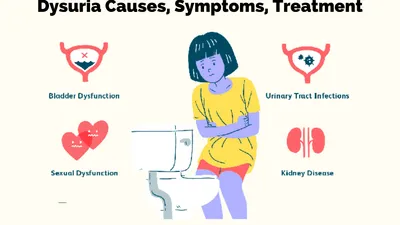
Prof. James Malone-Lee's research reveals why dipstick tests miss chronic UTIs and what this means for patients with persistent bladder symptoms.