Diabetes and Bladder Function: Why the Damage Hits Silently
Diabetes damages bladder function in 43–87% of patients, often before symptoms appear. How cystopathy, neuropathy and HbA1c control change urinary outcomes.
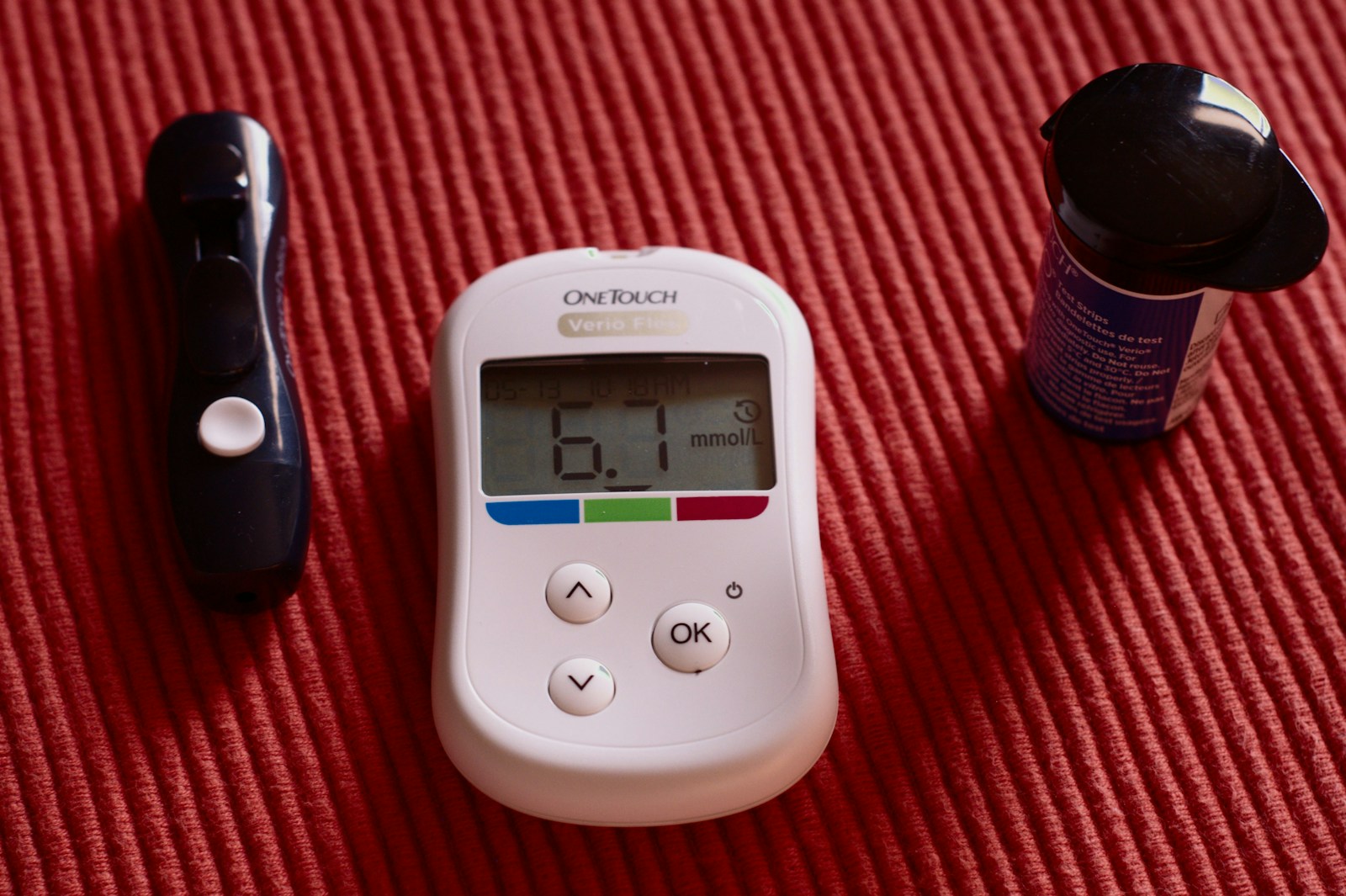
Between 43% and 87% of people with diabetes have measurable bladder dysfunction. Most of them don’t know it. The classic warning signs of bladder trouble (urgency, leaking, pain) show up late in the diabetic version of this condition, so by the time someone notices, the underlying nerve and muscle damage is often well established.
This is the strange part about diabetes and bladder function. The disease starts quiet. Sensation fades first, not function. People go longer between bathroom trips and assume they’re just busy or well-hydrated. Years pass. Then one day there’s a UTI that won’t clear, or a stream that won’t start, or a slow leak that doesn’t make sense.
By that point, the bladder has often spent a decade adapting in ways that aren’t fully reversible.
Key Takeaways
- Diabetic bladder dysfunction affects 43–87% of people with diabetes, often before symptoms appear
- The classic triad is decreased sensation, increased capacity, and weakened detrusor contraction. Sensation goes first.
- HbA1c above 7.9% is associated with measurably worse bladder function. Each unit rise carries roughly 2.5× the risk of urinary symptoms.
- UTI prevalence runs about 4× higher in type 2 diabetes (11.5%) than in the general population
- Tight glycaemic control halts progression but rarely reverses established cystopathy
- Timed voiding, double voiding, and post-void residual monitoring are the practical pillars of management
The Silent Phase: Why Diabetic Bladder Damage Hits Late
Most chronic conditions tell you they exist. Diabetic bladder dysfunction is unusual in that respect. The first thing that breaks isn’t a function. It’s the awareness that the bladder is filling at all.
That’s because the sensory afferent nerves carrying “I’m full” signals to the spinal cord are some of the smallest and most metabolically vulnerable nerves in the body. Hyperglycaemia damages them earlier than the larger motor nerves that control detrusor contraction. So sensation drops while contraction still works. The bladder fills further than it should, holds more than it should, and the patient doesn’t notice because the warning system has gone quiet.
Animal models in type 1 diabetes show this clearly. There’s a compensatory phase where the bladder hypertrophies to handle the extra urine volume from polyuria. Contractility actually rises. Capacity rises. The bladder is, in a strange sense, working harder and looking healthy on most metrics. Then, somewhere around 12–20 weeks in rats (and many years in humans), the compensation fails. Contractility falls off. Post-void residual climbs. The bladder enters the decompensatory phase, and from there, recovery gets much harder.
The clinical translation is that by the time a patient notices anything is wrong, they’ve usually been through the compensatory phase already. This is why screening for diabetic bladder dysfunction matters more than waiting for symptoms.
What Diabetic Cystopathy Actually Does to the Detrusor
Diabetic cystopathy is the formal name for what happens. It’s classically described as a triad:
- Decreased bladder sensation (the sensory failure described above)
- Increased bladder capacity (the bladder stretches because nothing tells it to empty)
- Impaired detrusor contractility (the muscle pushes weaker than it should)
Add the late stages and you get a fourth feature: high post-void residual urine. Once residual creeps above 100 mL it’s clinically significant, and above 150 mL most guidelines start recommending intermittent catheterisation. Some advanced cases run residuals over 1,000 mL. A bladder that’s effectively given up.
The mechanism behind the muscle failure is autonomic neuropathy. Parasympathetic nerves carrying the contraction signal degrade alongside the sensory ones, but on a slower timeline. The pelvic plexus, which supplies the detrusor, sits at the end of a long nerve highway from the spinal cord. Long nerves run hot in diabetes. They’re the ones that fail.
Side note: the same sensory-then-motor pattern is what neurologists see in diabetic foot disease, where numbness arrives first and weakness follows. Bladders and feet share more pathophysiology than most people realise. But back to bladders.
There’s also a non-neural component nobody used to talk about. The urothelium, the inner lining of the bladder, has its own signalling role and releases ATP and nitric oxide in response to stretch. Recent reviews show urothelial signalling is altered in diabetes, partly because hyperglycaemia oxidises the membranes that mediate it. So the failure isn’t purely about nerves. The wall itself stops talking properly.
This is why “diabetic bladder” can present in two seemingly opposite ways. Some patients show the classic underactive picture with retention and overflow. Others present with overactive bladder symptoms (urgency, frequency, urge incontinence) because the disordered urothelial signalling drives detrusor instability instead of underactivity. Same underlying disease. Different surface.
Why Diabetics Get UTIs More Often (And Worse)
UTI prevalence in type 2 diabetes runs at about 11.5%, based on a 2022 systematic review and meta-analysis covering nearly 828,000 patients. That’s roughly four times the rate seen in the general adult population. And these aren’t just more frequent infections. They’re more likely to be complicated, more likely to involve resistant organisms, and more likely to cause hospitalisation.
Three things stack up:
Glucose in the urine. Glycosuria kicks in when blood glucose exceeds the renal threshold of about 10 mmol/L (180 mg/dL). It gives bacteria a substrate to grow on. Higher HbA1c means more episodes of glycosuria, which means more bacterial nutrition.
Impaired immune response. Hyperglycaemia disrupts neutrophil chemotaxis, phagocytosis, and oxidative burst, the three things neutrophils do when they encounter bacteria in tissue. The bacterium that would be cleared in 12 hours in a healthy patient might persist for days in a diabetic.
Stagnant urine. This is the cystopathy connection. When residual urine sits in the bladder past voiding, bacteria have time to multiply. Normal bladders flush themselves clean every few hours. Cystopathic bladders don’t, so a small inoculation can become a full infection.
Then there’s the medication layer. SGLT2 inhibitors (empagliflozin, dapagliflozin, canagliflozin) work by deliberately spilling glucose into the urine. This is brilliant for cardiovascular and renal outcomes and a clear cause of genital fungal infections. The data on bacterial UTIs is messier. Randomised trials consistently show no significant UTI increase versus placebo, but observational studies in some populations have flagged higher rates. Most diabetologists keep prescribing them and treat infections as they arise.
The practical upshot: if you have diabetes and you’re getting recurrent UTIs, the answer isn’t always more cranberry. It’s often a post-void residual scan and a hard look at your HbA1c.
The HbA1c Number That Predicts Bladder Trouble
There’s a threshold worth knowing. Bladder symptoms start correlating reliably with HbA1c above 7.9%, and the relationship is steep. A 2024 Syrian cohort study of type 2 diabetes patients found a 2.5-fold higher risk of lower urinary tract symptoms for each one-unit rise in HbA1c. Women with HbA1c above 8.4% had the strongest signal.
Most diabetes guidelines target HbA1c of 7% or lower for general complication prevention. Bladder protection lives inside that same target. There’s no separate “bladder HbA1c” because the same nerve damage that drives retinopathy and peripheral neuropathy drives cystopathy.
What this means in practice is that a single HbA1c reading tells you a lot. Above 9%, you’re in territory where bladder complications become measurably likely within the next decade. Below 7%, the risk is much closer to baseline. The gap between those numbers is where most of the prevention work happens.
| HbA1c range | Bladder risk picture | What to do about it |
|---|---|---|
| Under 6.5% | Near-baseline risk | Maintain |
| 6.5–7.0% | Low but non-zero risk | Maintain; screen if other neuropathy present |
| 7.0–7.9% | Moderate risk; symptoms can begin | Tighten control; screen post-void residual annually |
| 8.0–8.9% | Symptoms increasingly likely | Active management; refer to endocrinology |
| 9.0%+ | High risk; subclinical damage probable | Urgent endocrinology + urology workup |
The catch is that HbA1c is a 3-month average. People with wildly fluctuating glucose can have a “good” HbA1c and still take significant nerve damage from the spikes. Continuous glucose monitoring data, particularly time-in-range, is increasingly used alongside HbA1c for exactly this reason.
What Reverses, What Doesn’t
This is the question patients actually want answered, so it’s worth being clear.
The compensatory phase is largely reversible. If sensory loss has just begun and the detrusor is still strong, tight glycaemic control can slow or halt progression and sometimes restore some sensation. The decompensatory phase is mostly not reversible. Once the bladder muscle has stretched and weakened, no amount of HbA1c control will fully restore contractility. The structural changes in nerve and muscle don’t unwind on a clinically useful timeline.
Early identification therefore matters disproportionately. A patient diagnosed with diabetic cystopathy at the compensatory stage has very different long-term prospects from a patient diagnosed when their post-void residual is already 400 mL.
The Management Playbook
There’s no single drug for diabetic bladder dysfunction. Management is a stack of interventions, each addressing a different failure mode.
Tighten glycaemic control. This is first because nothing else works without it. Target HbA1c below 7%. Use continuous glucose monitoring if you can. Address fluctuations, not just averages.
Timed voiding. Don’t wait for the urge. The urge is unreliable. Set a timer for every 3–4 hours and void by the clock. This prevents the bladder from chronically overfilling and gives the detrusor a fighting chance.
Double voiding. Urinate, wait two minutes, urinate again. This routinely empties an extra 50–150 mL in cystopathic bladders. It’s a free intervention with no side effects and it works.
Post-void residual monitoring. Get this measured at least annually if you’ve had diabetes for more than 10 years, or sooner if symptoms appear. Bladder ultrasound is non-invasive and quick. Above 100 mL is a flag. Above 150 mL usually triggers a catheterisation discussion.
Clean intermittent self-catheterisation. When residuals are persistently high, this is the gold standard. Most people learn it in a single clinic visit. It feels intimidating until you’ve done it, then it feels routine. It prevents UTIs, kidney damage, and the slow decline of bladder muscle from chronic overstretch.
Pelvic floor work. Lifestyle changes including pelvic floor exercises help when there’s a mixed picture with stress incontinence. Less impact on pure cystopathy.
Medication, used selectively. Alpha-blockers like tamsulosin help in men with concurrent prostate enlargement. Bethanechol stimulates contraction but the evidence is poor and it’s rarely useful in practice. Anticholinergics or beta-3 agonists can be tried when there’s an overactive bladder component, though they need careful use in cystopathy because they can worsen retention.
UTI prevention. Standard prevention strategies apply, but the diabetic angle changes the priorities. Glycaemic control beats cranberry. Post-void residual reduction beats hygiene tweaks. Both still help; the order matters.
Red Flags to Watch For
Specific to diabetes and bladder function:
- Going more than 6–8 hours without needing to urinate, especially if this is new
- Difficulty starting the stream, weak flow, or feeling not empty after voiding
- Three or more UTIs in 12 months. This is the threshold for recurrent UTI workup, and in a diabetic it almost always warrants a post-void residual scan.
- New leakage that comes on without urgency (this points to overflow, not stress or urge incontinence)
- Lower abdominal fullness that doesn’t change after voiding
- Fever with any urinary symptom. Diabetics progress to pyelonephritis and urosepsis faster.
For complete inability to urinate combined with abdominal pain, that’s an emergency department visit, not a GP appointment. Acute urinary retention decompensates fast in cystopathic bladders.
Common Questions
Can diabetic bladder damage be reversed if my blood sugar comes under control?
Partially, and only in the early phase. The compensatory phase can improve with tight glycaemic control, but once the bladder enters decompensation with chronically high post-void residual, the structural changes don’t fully reverse. Most clinicians frame the realistic goal as halting progression, not reversal.
Why do diabetics get UTIs more often than non-diabetics?
Three reasons stack up: glucose in the urine feeds bacteria, hyperglycaemia impairs neutrophil function, and incomplete emptying leaves stagnant urine that bacteria can colonise. UTI prevalence in type 2 diabetes runs at 11.5% versus roughly 3% in the general adult population, about a four-fold increase.
Is going 6 hours without needing to pee a sign of diabetic bladder damage?
It can be. Decreased bladder sensation is one of the earliest signs of diabetic cystopathy, and patients often go 8 to 12 hours without urinating before they realise something is off. If you have diabetes and you routinely go this long between voids, ask your doctor about a post-void residual measurement.
Do SGLT2 inhibitors like empagliflozin make UTIs worse?
For genital fungal infections, definitely. For bacterial UTIs the data is mixed. Large randomised trials show no significant increase, while some observational studies have found higher rates. The cardiovascular and renal benefits of these drugs are large enough that most guidelines keep recommending them, with infections treated as they appear.
What HbA1c level protects against bladder complications?
Below 7% is the standard target and it works for bladder protection too. Symptoms become measurably more likely above 7.9%, and risk roughly doubles for each unit rise. Women above 8.4% carry the strongest signal in published cohorts.
Should I measure post-void residual at home with a bladder scanner?
Home bladder scanners exist but they’re expensive and rarely needed. A more practical approach is to track three things: how often you go, how long it takes to start the stream, and whether you feel empty after voiding. If those three signs are off, ask for a clinic scan rather than buying your own device.
What to Do With This
If you have diabetes and you’ve gone more than two years without anyone asking about your bladder, that’s the gap to close. Bring it up at your next diabetes review. Ask for a post-void residual measurement. Tighten your HbA1c if it’s drifting. Set a 4-hour voiding timer this week and see what changes. The compensation phase is where this disease is winnable, and most of the work has to happen before symptoms force the issue.
References
- Yuan Z, Tang Z, He C, Tang W. Diabetic cystopathy: a review. Journal of Diabetes. 2015;7(4):442–447. PubMed
- Daneshgari F, Liu G, Birder L, Hanna-Mitchell AT, Chacko S. Diabetic Bladder Dysfunction: Current Translational Knowledge. PMC4426965
- Salari N, et al. The prevalence of urinary tract infections in type 2 diabetic patients: a systematic review and meta-analysis. European Journal of Medical Research. 2022;27:20. Springer
- Adwan AS, et al. Risk factors associated with the severity of overactive bladder among Syrian patients with type 2 diabetes. Scientific Reports. 2024;14. Nature
- Brown JS, et al. Urologic Complications of Diabetes. Diabetes Care. 2005;28(1):177–185. Diabetes Journals
- Liu S, et al. Effects of SGLT2 inhibitors on UTIs and genital infections in type 2 diabetes: a systematic review and meta-analysis. Scientific Reports. 2017;7. Nature
- Maeda T, et al. Mechanisms of Action for Diabetic Bladder Dysfunction — State of the Art. Current Bladder Dysfunction Reports. 2023. Springer
Frequently Asked Questions
- Can diabetic bladder damage be reversed if my blood sugar comes under control?
- Partially, and only in the early phase. The compensatory phase, where the bladder is still adapting to higher urine volumes, can improve with tight glycaemic control. Once the bladder enters the decompensatory phase with chronically high post-void residual, the structural changes to nerves and muscle don't fully reverse. Most clinicians frame the realistic goal as halting progression rather than reversal.
- Why do diabetics get UTIs more often than non-diabetics?
- Three reasons stack up. Glucose in the urine feeds bacteria, hyperglycaemia impairs neutrophil function, and incomplete bladder emptying from cystopathy leaves stagnant urine that bacteria can colonise. A 2022 meta-analysis covering nearly 828,000 patients found UTI prevalence in type 2 diabetes is 11.5% versus roughly 3% in the general adult population.
- Is going 6 hours without needing to pee a sign of diabetic bladder damage?
- It can be. Decreased bladder sensation is one of the earliest signs of diabetic cystopathy, and patients often go 8 to 12 hours without urinating before they realise something is off. If you have diabetes and you routinely go this long between voids, ask your doctor about a post-void residual measurement. The change is subtle enough that most people assume it's normal until retention or recurrent UTIs force the issue.
- Do SGLT2 inhibitors like empagliflozin make UTIs worse?
- For genital fungal infections, yes. For bacterial UTIs the data is mixed. Large randomised trials show no significant increase versus placebo, while some observational studies have found higher rates. The mechanism is glucosuria, which feeds urinary microbes. Most guidelines still recommend SGLT2 inhibitors for their cardiovascular and renal benefits, with infections treated as they appear.
- What HbA1c level protects against bladder complications?
- Below 7% is the standard target and it applies to bladder protection too. Symptoms become measurably more likely above 7.9%, and risk roughly doubles for each unit rise in HbA1c. Women with HbA1c above 8.4% carry the strongest signal in published cohorts.
- Should I measure post-void residual at home with a bladder scanner?
- Home bladder scanners exist but they're expensive and rarely needed. A more practical approach is to track three things: how often you go, how long it takes to start the stream, and whether you feel empty after voiding. If those three signs are off, ask for a clinic scan rather than buying your own device.
Medical Disclaimer: The information provided is for educational purposes only and should not be considered as medical advice. Always consult with a qualified healthcare professional before making any changes to your diet, supplement regimen, or treatment plan.
Was this article helpful?