Double Voiding: How to Fully Empty a Bladder That Won't
Double voiding adds 30 seconds to a bathroom trip and can shrink the residual urine that feeds recurrent UTIs. Step-by-step technique, plus who should skip it.
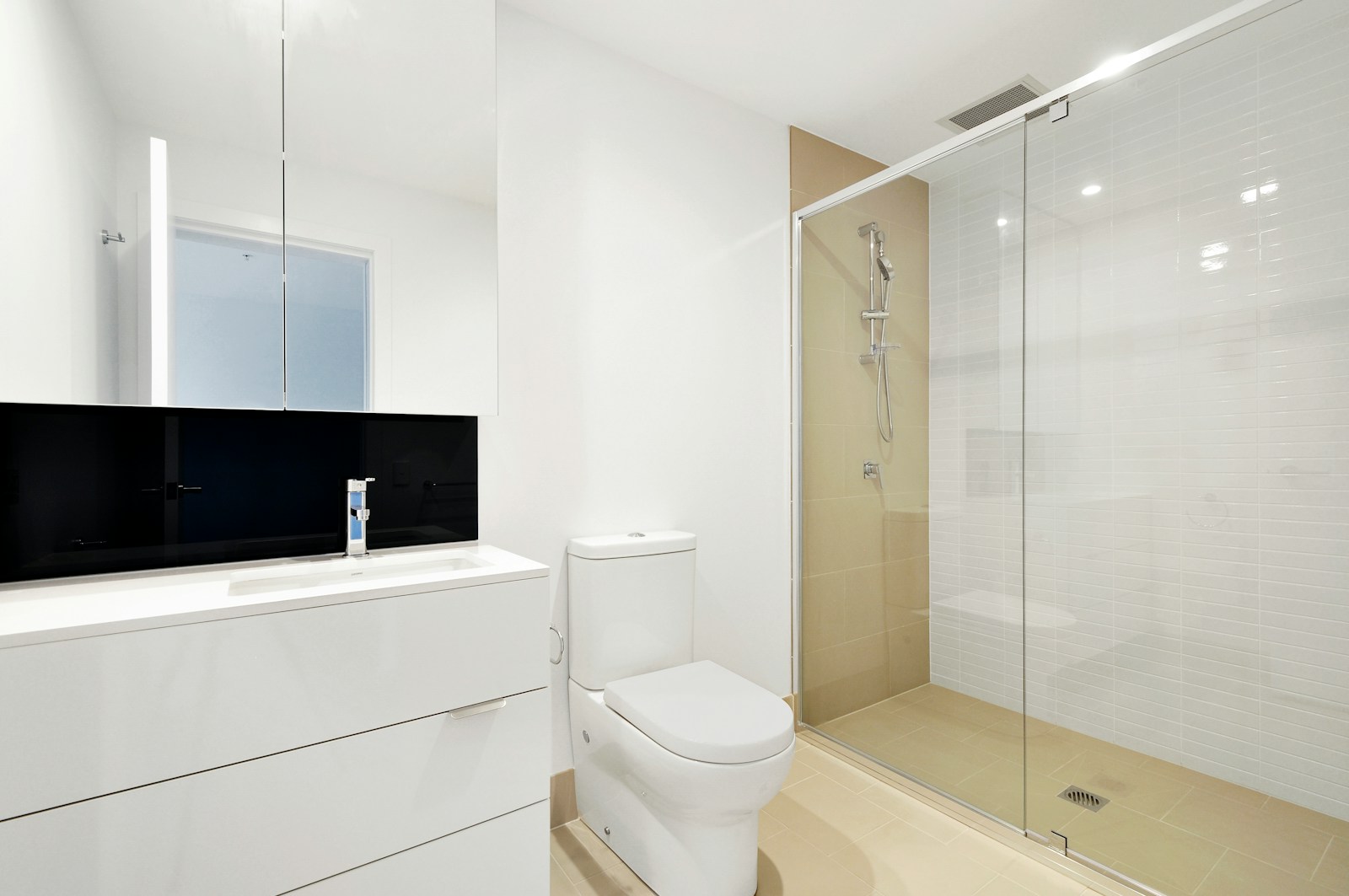
You pee, wash your hands, and get about ninety seconds down the hallway before your bladder announces it isn’t done. Back you go. A dribble comes out, and the same loop repeats a few hours later.
That pattern usually means urine is staying behind after you finish, and double voiding is the cheapest fix worth trying. You urinate, stay put for 20 to 30 seconds, then go again before leaving the bathroom. That’s the whole technique. What most advice skips are the details that decide whether it works: how to sit, how long to wait, who genuinely benefits, and when double voiding quietly makes a bladder problem worse.
Key Takeaways
- Double voiding means urinating, waiting 20-30 seconds on the toilet, then emptying a second time to clear leftover (residual) urine
- Residual volumes above roughly 100 ml are where urologists start paying attention, because stagnant urine gives bacteria time to multiply
- The best comparable data is positional: in a meta-analysis of men with prostate symptoms, simply sitting to pee cut residual urine by about 25 ml
- No large randomised trial has tested double voiding in ordinary adults; the first real RCT, in kidney transplant patients, is recruiting now
- If your bladder already empties well, a second void achieves nothing and can slide into “just in case” peeing, which trains urgency
Why Some Bladders Don’t Empty on the First Try
A healthy bladder is efficient. It contracts once, empties almost completely, and leaves behind a few millilitres. Not enough to matter.
Several things break that efficiency. An enlarged prostate narrows the urethra, so the bladder runs out of contraction before it runs out of urine (benign prostatic hyperplasia is the usual culprit in men over 50). In women, a cystocele lets the bladder sag into the vaginal wall, creating a pocket that drains poorly. The bladder muscle itself can weaken with age, diabetes, or long-term overstretching, a condition called detrusor underactivity. And nerve conditions from multiple sclerosis to spinal injury can scramble the emptying signal entirely (neurogenic bladder).
Doctors measure what’s left behind as post-void residual (PVR), usually with a quick ultrasound scan of your lower belly. Side note: it’s the same ultrasound technology used in pregnancy scans, just pointed lower, and it takes about a minute. No catheter required.
There’s no single agreed cutoff for a “bad” number. Under 50 ml is comfortable. Most urologists start paying attention above 100 ml, and chronic volumes above 200 ml usually trigger further testing [1].
Position sabotages emptying more often than people expect. When researchers surveyed British gynaecology outpatients in 1991, 85% admitted hovering over public toilet seats rather than sitting. Hovering cut urine flow by around a fifth and left measurably more urine behind, because a pelvic floor that’s holding you in a half-squat cannot relax at the same time [2]. If you hover, no emptying technique will save you.
How to Double Void: The Technique
The steps are simple, but each one exists for a reason.
- Sit down fully. Both feet flat on the floor. Men with prostate symptoms should sit too, not stand (more on the evidence below).
- Lean forward, forearms resting on your thighs. This tips the bladder outlet downward and helps the pelvic floor let go.
- Pee without pushing. Let the bladder do the work. Straining recruits exactly the muscles that should be relaxing.
- When the stream stops, stay seated for 20 to 30 seconds. Rock gently side to side, or lean further forward and back upright. This shifts any pooled urine toward the outlet.
- Try again. A second, smaller stream often comes. Sometimes it’s a surprising amount.
- Still nothing? Stand up, take a few steps, then sit and retry once. Standing repositions the bladder; a minute of movement drains pockets that rocking can’t reach.
Don’t strain. Ever. Forcing urine out with your abdominal muscles loads the pelvic floor, and over years that pressure contributes to prolapse. The second void is passive or it’s pointless. If your pelvic floor won’t relax on command, that’s trainable — the reverse of the strengthening work in our pelvic floor exercise guide.
One timing tip: the single most useful moment to double void is the last trip before bed. Going to sleep with 150 ml already on board is a head start on a 2 a.m. wake-up. If nocturia is your main complaint, pair this with the evening habits in our guide to stopping night-time trips.
Who Actually Benefits
The honest answer: the evidence for double voiding is thinner than the frequency of the advice suggests. It rests on mechanism and observational data, not big trials. For a free technique with zero side effects, that’s enough to justify trying it, but you should know which shelf the evidence sits on.
Men with prostate enlargement. The NHS lists double voiding among its lifestyle measures for benign prostate enlargement [3]. The stronger data is positional: when Dutch researchers pooled 11 studies of voiding posture in 2014, men with lower urinary tract symptoms who sat to pee left about 25 ml less urine in the bladder and had better flow, while healthy men showed no difference [4]. Sitting plus a double void attacks the same problem from two angles.
Women with prolapse. A cystocele creates a mechanical pocket. Standing up and re-sitting between voids physically moves the trapped urine, which is why step 6 matters most for this group. No trial has tested this directly. The anatomy argument is strong enough that continence physiotherapists teach it anyway.
People with recurrent UTIs who also retain urine. Schaeffer’s group at Northwestern reported in 2004 that elderly women with recurrent urinary tract infections carried significantly higher residual volumes than women without infections [5]. Stagnant urine is a culture medium; less of it means fewer bacterial generations between flushes. But the association isn’t uniform: in a cohort of postmenopausal women, residuals over 200 ml didn’t independently predict infection over the following year [6]. If you get recurrent UTIs, a PVR scan tells you whether emptying is even your problem, and our guide to UTI prevention in older women covers the rest of the toolkit.
Children who rush. A 2009 study of children with dysfunctional voiding found abnormal residual urine responded to structured retraining that included repeat voiding [7]. Kids sprint off the toilet mid-void. Double voiding, framed as “pee, count to 20, pee again,” is standard advice in paediatric continence clinics.
Kidney transplant recipients. This group gets UTIs at high rates, and a randomised trial (NCT05711446) is currently testing whether teaching double voiding reduces post-transplant infections [8]. It’s the first proper RCT of the technique. Worth watching, because a positive result would upgrade double voiding from folk-sensible to evidence-based for everyone with retention-driven infections.
The Bladder Training Conflict Nobody Mentions
Every overactive bladder resource tells you the same thing: stop peeing “just in case.” Emptying at every opportunity teaches the bladder to demand attention at smaller and smaller volumes. Our bladder training guide is built on that principle.
So which is it? Pee twice, or resist the urge?
The distinction is measurement versus anxiety. Double voiding is one bathroom trip with a 30-second extension, used because a scan (or a clear symptom pattern) says urine stays behind. “Just in case” peeing is extra trips driven by worry, on a bladder that empties fine. The first reduces residual volume. The second trains urgency and shrinks your functional capacity.
A practical rule: if you have urgency, frequency, and a normal PVR, double voiding is the wrong tool. Work on how often you’re actually going instead. If you have dribbling, a feeling of incomplete emptying, recurrent infections, or a measured residual above 100 ml, double voiding earns its 30 seconds.
Double Voiding vs Other Emptying Techniques
| Technique | Best for | Evidence | Caution |
|---|---|---|---|
| Double voiding | Residual >100 ml, prostate enlargement, prolapse | Mechanism + observational; first RCT underway | Skip if PVR is normal; never strain |
| Sitting to void (men) | Prostate symptoms | Meta-analysis, 11 studies: ~25 ml less residual [4] | None |
| Urethral milking | Drops leaking after finishing | Small studies; standard advice for post-void dribble | Treats dribble, not residual |
| Timed/scheduled voiding | Urgency and frequency retraining | Guideline-backed for OAB | Opposite goal: fewer voids, not extra ones |
| Credé manoeuvre (pressing on the abdomen) | Rare neurological cases | Weak, with real risks | Only under specialist instruction |
| Intermittent self-catheterisation | Chronic retention with high volumes | Strong; standard of care | Clinician-taught, not DIY |
You’ll find sites suggesting you press down on your lower belly to squeeze the last urine out. Don’t. That’s the Credé manoeuvre, it can drive urine backwards toward the kidneys, and it left general practice decades ago for good reason.
When a Technique Isn’t Enough
Double voiding manages a symptom. It doesn’t treat a cause, and some situations need a clinician regardless of how well the second void goes.
If you suddenly cannot pass urine at all, with a painful, swelling lower belly, that’s acute urinary retention and it’s an emergency department problem, not a technique problem. If burning, fever, or flank pain shows up alongside the incomplete-emptying feeling, you’re likely looking at an active infection that needs treatment, not better toilet posture. Men whose stream has weakened noticeably over months should ask for a flow test and PVR scan before settling into a double-voiding routine; the same applies to anyone who has needed a catheter before. Three or more UTIs in a year is an automatic reason to request a residual measurement. And new numbness around the saddle area, leg weakness, or loss of bowel control alongside retention needs same-day assessment, because that combination can signal nerve compression.
Pregnancy and the weeks after birth deserve their own mention: post-partum retention is common, underdiagnosed, and worth raising with your midwife rather than self-managing.
Quick Answers
How long should you wait between voids when double voiding?
Most continence services suggest 20 to 30 seconds seated, leaning forward. If nothing comes, stand, move around briefly, then sit and try once more. People with prolapse or prostate enlargement sometimes need two to three minutes for pooled urine to reach the outlet. Past five minutes, you’re camping, not voiding.
Does double voiding help prevent UTIs?
Only if you actually retain urine. Residual urine is a culture medium, and observational work in older women links higher volumes to recurrent infection [5]. A randomised trial in kidney transplant patients is testing the question directly [8]. With a normal PVR, double voiding won’t move your infection risk; the strategies in our recurrent UTI prevention guide are better targets.
Is double voiding bad for your bladder?
Waiting and retrying is harmless. Straining is what causes damage, loading the pelvic floor with pressure it isn’t built for. The second void must be passive. And if you’re double voiding out of anxiety on a bladder that empties normally, you’ve drifted into “just in case” territory, which feeds urgency rather than fixing anything.
Why do I still feel like I need to pee after double voiding?
Sensation and volume are different measurements. Overactive bladder fires urgency signals from a nearly empty bladder, and bladder-lining conditions like interstitial cystitis do the same with added pain. A one-minute PVR scan separates “feels full” from “is full.” Get the number before treating the feeling.
Should men sit or stand to empty their bladder fully?
Healthy men: no measurable difference. Men with prostate symptoms: sitting won by about 25 ml of residual urine and better flow in the pooled data [4]. If your prostate is enlarged, sit down and add the double void. Nobody’s watching.
Should You Bother?
Thirty seconds decides it. If you leak drops on the way out of the bathroom, feel unfinished after most voids, get repeated infections, or a scan has shown urine left behind, double voiding costs nothing and targets the actual mechanism. If your bladder empties well and your problem is urgency, skip it; the second trip to the bowl is bladder training in reverse. And if you don’t know which group you’re in, one post-void residual scan answers it. Ask for the number, then decide whether double voiding deserves a permanent spot in your routine.
References
- Ballstaedt L, Woodbury B. Bladder Post Void Residual Volume. StatPearls. StatPearls Publishing. NCBI Bookshelf
- Moore KH, Richmond DH, Sutherst JR, et al. Crouching over the toilet seat: prevalence among British gynaecological outpatients and its effect upon micturition. Br J Obstet Gynaecol. 1991;98(6):569-572. PubMed
- NHS. Benign prostate enlargement: Treatment. NHS.uk
- de Jong Y, Pinckaers JHFM, ten Brinck RM, et al. Urinating standing versus sitting: position is of influence in men with prostate enlargement. A systematic review and meta-analysis. PLoS One. 2014;9(7):e101320. PubMed
- Stern JA, Hsieh YC, Schaeffer AJ. Residual urine in an elderly female population: novel implications for oral estrogen replacement and impact on recurrent urinary tract infection. J Urol. 2004;171(2 Pt 1):768-770. PubMed
- Rowe TA, Juthani-Mehta M. Urinary tract infection in older adults. Aging Health. 2013;9(5):519-528. PMC
- Management of abnormal postvoid residual urine in children with dysfunctional voiding. 2009. PubMed
- ClinicalTrials.gov. Double Voiding and Post-transplant Urinary Tract Infection (NCT05711446). ClinicalTrials.gov
Frequently Asked Questions
- How long should you wait between voids when double voiding?
- Most continence services suggest 20 to 30 seconds. Stay seated, lean forward, and try again. If nothing comes, stand up, take a few steps or wash your hands, then sit back down and make a second attempt. People with prolapse or prostate enlargement sometimes need two to three minutes for the last pool of urine to reposition.
- Does double voiding help prevent UTIs?
- It can, but only if you actually retain urine. Leftover urine acts as a culture medium where bacteria multiply between bathroom trips. Observational research in older women links higher residual volumes to recurrent infections, and a randomised trial in kidney transplant patients is now testing double voiding directly. If your bladder already empties well, it won't change your UTI risk.
- Is double voiding bad for your bladder?
- The technique itself is safe. The danger is straining to force urine out, which loads the pelvic floor and can contribute to prolapse over time. The second void should be passive: wait, relax, and accept whatever comes. If nothing arrives, that is information, not failure.
- Why do I still feel like I need to pee after double voiding?
- The sensation of fullness and the actual volume in your bladder are two different things. Overactive bladder and bladder-lining conditions like interstitial cystitis can fire urgency signals from a nearly empty bladder. A post-void residual scan settles the question in about a minute, so ask for one before assuming you have an emptying problem.
- Should men sit or stand to empty their bladder fully?
- For healthy men it makes no measurable difference. For men with prostate symptoms, a meta-analysis of 11 studies found sitting reduced leftover urine by roughly 25 ml and improved flow. Sitting plus a double void is a sensible combination for men with an enlarged prostate.
Medical Disclaimer: The information provided is for educational purposes only and should not be considered as medical advice. Always consult with a qualified healthcare professional before making any changes to your diet, supplement regimen, or treatment plan.
Was this article helpful?