
Lifestyle
Best Sleeping Position for Overactive Bladder: The Left-Side Fix
Left side, legs elevated — the best sleeping position for overactive bladder, plus three evening fixes when position alone isn't enough to stop wake-ups.
Lifestyle tips and self-care advice for living well with bladder conditions, including exercise, stress management, and daily symptom management.
70 items in Lifestyle · Page 1 of 3
Left side, legs elevated — the best sleeping position for overactive bladder, plus three evening fixes when position alone isn't enough to stop wake-ups.
Double voiding adds 30 seconds to a bathroom trip and can shrink the residual urine that feeds recurrent UTIs. Step-by-step technique, plus who should skip it.

Most adults who say they have a small bladder actually don't — they have overactive bladder, a treatable condition. Here's how to tell the difference.
The 7-to-8-a-day figure repeated everywhere isn't backed by the largest healthy-women study. The real mean is closer to 5. Here's the honest range.
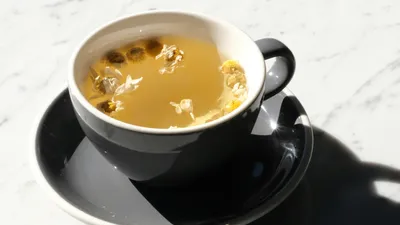
Chamomile tea calms bladder muscle but mildly raises urine output through hippurate excretion. Who tolerates it, who flares, what the human data shows.
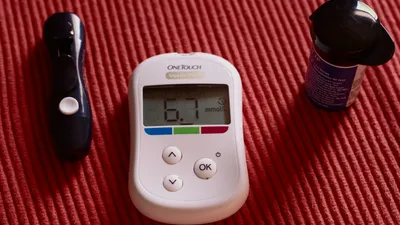
Diabetes damages bladder function in 43–87% of patients, often before symptoms appear. How cystopathy, neuropathy and HbA1c control change urinary outcomes.
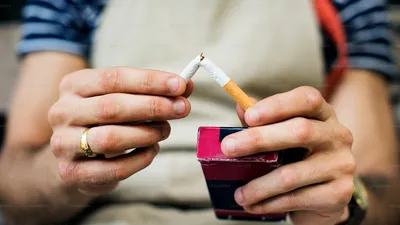
Smoking causes half of all bladder cancers and doubles overactive bladder risk. How tobacco harms your urinary health, and what reverses when you quit.
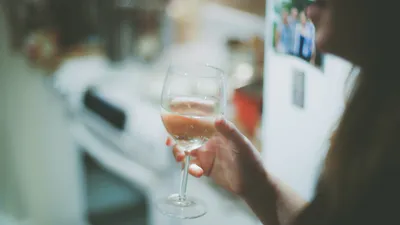
Alcohol doesn't cause UTIs directly, but it opens the door four ways. How drinking raises your infection and incontinence risk, with harm reduction tips.
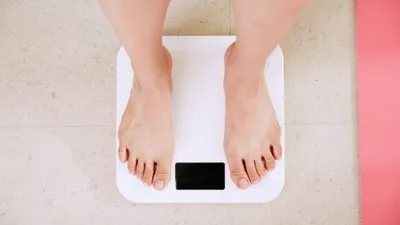
Every 5-unit BMI increase raises incontinence risk by up to 70%. Losing 8% of body weight cuts leaks nearly in half. Evidence on weight and bladder function.
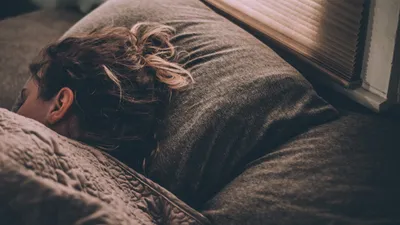
Behavioral sleep strategies cut nocturia as effectively as medication in a 2016 trial. Nine ways to sleep better when nighttime urination disrupts your rest.
1 in 4 overactive bladder patients avoid outings. Evidence-based strategies for flying, road trips, hydration, and managing bladder problems during travel.
Residual urine links post-micturition dribble to UTI risk. The evidence on their two-way connection, who's most vulnerable, and how to break the cycle.
Swimming strengthens your pelvic floor but pool bacteria and wet swimsuits carry real risks. Practical advice for swimmers managing OAB, incontinence, or UTIs.
Cutting water to avoid urgency makes bladder symptoms worse. Here's what research says about dehydration and bladder health, plus how to hydrate smartly.
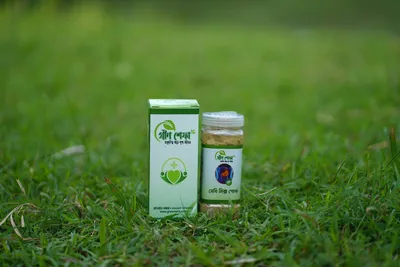
Evidence-based enlarged prostate natural remedies including supplements, diet, and lifestyle changes. What clinical trials say about natural BPH relief.

Learn how caffeine affects your bladder, from urgency to incontinence, plus research-backed tips for cutting back without giving up coffee.
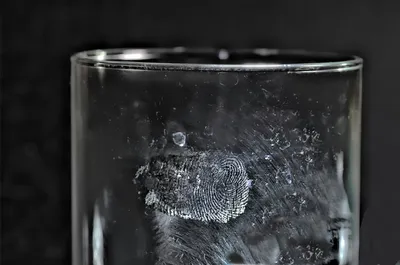
Evidence-based natural treatment options for hemorrhagic cystitis, including hydration, diet changes, herbal remedies, and when to seek emergency care.

Evidence-based nocturia natural remedies to reduce nighttime urination. Covers fluid timing, supplements, exercises, and when to see a doctor.
Should you drink alcohol with radiation cystitis? Learn how alcohol affects your bladder after pelvic radiation, what the research says, and safer alternatives.
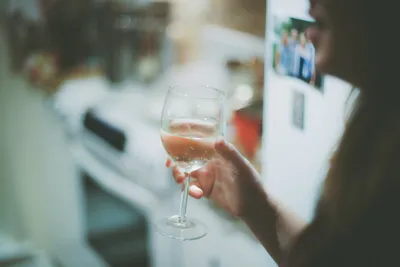
Learn how alcohol affects your bladder, from increased urgency to long-term risks, plus practical tips backed by research.
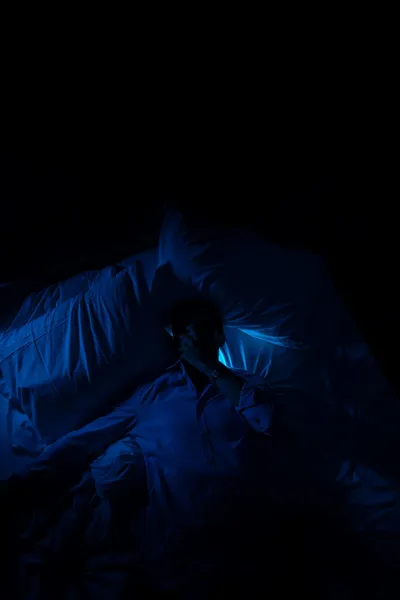
Waking up to pee multiple times? Learn what causes frequent urination at night, hidden health risks, proven treatments, and when you should see a doctor.

How stress affects your bladder through cortisol, inflammation, and pelvic floor tension. Plus evidence-based strategies to manage symptoms.

Learn how to calm an irritated bladder with 20 evidence-based remedies covering diet, supplements, exercises, and stress management for lasting relief.
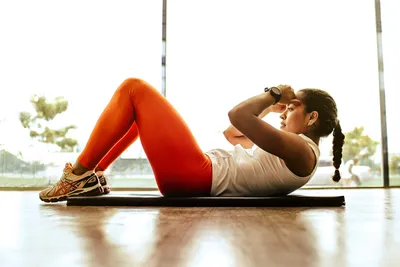
Learn how menopause affects your bladder, from incontinence to recurrent UTIs. Evidence-based tips on pelvic floor exercises, vaginal estrogen, and more.