Ozempic and Overactive Bladder: 34% Fewer UTIs in New Data
Ozempic and overactive bladder: 2025 propensity-matched data show 34% fewer UTIs and roughly half the retention risk in GLP-1 users. What it means.
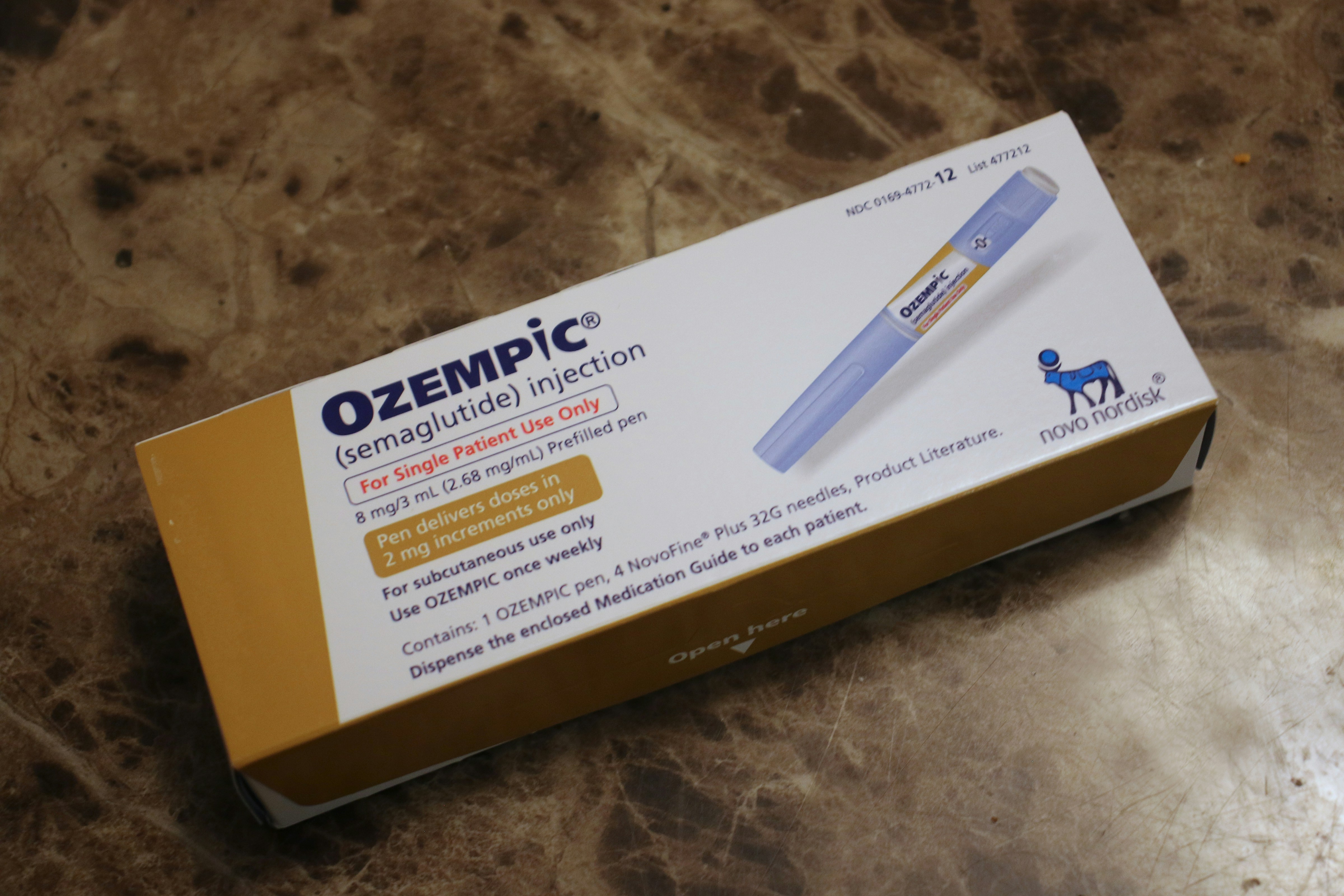
The internet has decided Ozempic causes urinary incontinence. The clinical data says the opposite, at least in the studies that have actually been done.
There are now three separate 2025 papers looking at what happens to bladder function on GLP-1 receptor agonists. Two of them show a signal toward benefit. One is neutral. Zero show harm. That is not what the “Ozempic makes you leak” content mill would have you believe, and it is not what the pelvic floor physios warning about rapid weight loss are saying either. This piece is about what the numbers actually show, what the mechanisms plausibly are, and where the story could still turn.
Key Takeaways
- A 2025 propensity-matched study of 1,984 non-diabetic overactive bladder patients found 34% fewer UTIs and 43% fewer urinary retention episodes when GLP-1s were combined with Botox [1]
- A separate 2025 pilot survey found 33% of GLP-1 users reported overactive bladder symptom improvement, though the difference from non-responders was not statistically significant [2]
- Semaglutide is not a diuretic. Most reports of increased urination on Ozempic reflect dehydration from nausea, not a direct drug effect
- Very rapid weight loss can weaken the pelvic floor along with the rest of your muscle mass. That is where the real risk sits, not in the drug pharmacology
- No randomised trial has yet measured bladder function as a primary endpoint on semaglutide, tirzepatide, or any other GLP-1
- If you have overactive bladder and are starting a GLP-1, the biggest wins come from staying hydrated, keeping resistance training in your week, and treating constipation early
What the 2025 GLP-1 + Botox Data Actually Shows
Start with the strongest study, because most coverage skips it.
Hammad and colleagues ran a propensity-matched analysis on the TriNetX database, comparing non-diabetic overactive bladder patients who received onabotulinumtoxinA (Botox) alone versus those who received Botox plus a concurrent GLP-1 receptor agonist [1]. After matching for age, sex, BMI, comorbidities, and background OAB drug use, they had 992 patients in each arm. That is 1,984 total.
The results, at one year:
- Urinary retention: 4.9% in the GLP-1 group vs 8.6% in matched controls (p = 0.0044)
- UTI incidence: 8.8% vs 13.3% (p = 0.0224)
- Antispasmodic use: 10.3% vs 11.8% (not significant)
Botox for overactive bladder works. It also causes retention in a meaningful minority of patients. The muscle relaxation the drug produces is exactly what makes it work, and exactly what causes some bladders to stop emptying properly for weeks. Cutting that risk by 43% and cutting the associated UTI rate by 34% is not a small finding. If it holds up in a prospective trial, it would change how urologists sequence Botox in the obese OAB population.
That “if” is doing a lot of work. This is a retrospective cohort. Propensity matching handles measured confounders and leaves the unmeasured ones alone. Weight loss magnitude, medication adherence, hydration behaviour, and voiding technique were all absent from the dataset. The authors say the result is “hypothesis-generating rather than causal”, and they are right to.
But the direction is worth naming plainly: this is the strongest evidence to date that GLP-1 receptor agonists do something useful for a bladder problem, not something harmful.
The Pilot Study Everyone Cites (And What It Actually Found)
Sandler and colleagues ran a smaller, weaker 2025 study through an anonymous online survey on a GLP-1 user forum [2]. Thirty-three people responded (27 women, 6 men), almost all on semaglutide, mostly for weight loss rather than diabetes.
Of those 33, 11 (33.3%) reported OAB symptom improvement after starting the drug. Mean weight loss in the improvers was 12.2%. In the non-improvers, mean weight loss was 8.4% to 10%. The improvers lost more, but the between-group difference did not reach statistical significance.
One sub-finding is worth flagging: among people with severe baseline OAB (at least one urgency episode daily), 50% improved on GLP-1s. Among people with less frequent symptoms, only 7.7% improved. If a signal exists, this survey suggests it favours the sicker patients, which is often how things work with an intervention that treats an upstream cause rather than a downstream symptom.
Methodology limits how much you can lean on this. Anonymous forum surveys select for people who wanted to talk about it. No placebo group. Self-reported symptoms are notoriously unreliable. A sample size of 33 is a starting point, not an answer.
Sandler’s team called it a pilot for a reason.
Why GLP-1s Might Help the Bladder At All
Four mechanisms are on the table. Different amounts of evidence support each.
Weight loss. This is the biggest, the best-established, and it is not new to GLP-1 research. The PRIDE trial randomised 338 women with obesity and stress incontinence to a 6-month intensive weight-loss programme or a control education programme [3]. The intervention group averaged 8% weight loss and had a 47% reduction in weekly incontinence episodes, sustained at 18 months. If someone loses 15% of body weight on semaglutide, they are getting the same intra-abdominal pressure reduction PRIDE achieved with diet and exercise, and probably more of it. That single pathway explains most of what we see in the GLP-1 data without needing anything else.
Glycaemic control. In people with type 2 diabetes, chronically high blood sugar causes glycosuria: glucose spilling into the urine and dragging water with it osmotically. That drives urinary frequency, nocturia, and provides a sugar-rich environment for urinary tract infection organisms to thrive. Fix the glucose and both problems ease. This mechanism is why patients with diabetic bladder dysfunction sometimes see urinary symptoms improve within weeks of starting a GLP-1, well before meaningful weight loss.
Anti-inflammatory activity at the bladder wall. GLP-1 receptors turn up in more tissues than the pancreas: kidney, colon, and vascular smooth muscle among them. Whether they exist in useful density in bladder detrusor muscle is not settled. There is animal work suggesting GLP-1 receptor activation reduces bladder inflammation, and colonic smooth muscle studies show GLP-1 relaxes the muscle via a cAMP/PKA pathway [4]. Whether the same signalling matters in a human detrusor is the sort of question that needs a dedicated tissue study. Nobody has published one yet.
Slower gastric emptying reducing pressure spikes. GLP-1 drugs slow how quickly food leaves the stomach. In theory, that reduces the acute abdominal pressure rises that follow meals and can trigger urgency in a sensitive bladder. In practice, this is speculative. No study has measured it.
Weight loss and glycaemic control probably explain the entire signal. The exotic mechanisms are worth watching but do not need to be invoked to explain what we are seeing.
The Frequent Urination Complaint: Where It Actually Comes From
Google the phrase “Ozempic makes me pee more” and you will find hundreds of forum posts and dozens of clinic-branded articles. The mechanism gets mangled in almost all of them.
Ozempic is not a diuretic. It does not increase how much urine your kidneys make. What it does is a handful of things that indirectly change how often you notice needing to go:
- Nausea and reduced intake. In the first weeks of a GLP-1, appetite for both food and water drops. If you were previously drinking three litres a day and now you are drinking one, your urine is more concentrated. Concentrated urine irritates the bladder wall. You get more urgency, not more volume.
- Gastrointestinal side effects. Diarrhoea early in dose escalation causes real fluid loss. Nausea and vomiting compound it. If you get properly dehydrated, kidneys eventually protect against that with vasopressin. The transition period can feel like your bladder is misbehaving.
- Rapid weight loss uncovering existing incontinence. Some women who had stress incontinence at higher weights only felt the leaks episodically. Post-weight loss, their pelvic floor is trying to hold urine against a body it was optimised for. Same underlying weakness, more noticeable leaks.
- Blood sugar normalisation in diabetics. If you had glycosuria before Ozempic and it resolves within weeks, you should be peeing less, not more. If you are not, something else is going on and it is worth investigating.
Frank overactive bladder pattern (urgency, frequency, occasional nocturia) is not a documented Ozempic side effect. If you have it and did not before, hydration status is the first place to look.
GLP-1s vs Established OAB Treatments
For anyone trying to work out where GLP-1s might fit into an overactive bladder plan, the honest comparison looks like this.
| Treatment | Evidence tier | Typical benefit | Where it fits |
|---|---|---|---|
| GLP-1 receptor agonists | Early (2 small 2025 studies, retrospective) | ~34% fewer UTIs, ~43% less retention with Botox; symptom improvement in a third of pilot users | Indirect. Best for OAB patients with obesity or type 2 diabetes |
| Weight loss (any method) | Strong (PRIDE RCT, N=338) | ~47% fewer incontinence episodes at 6 months | First-line for obese OAB patients |
| Anticholinergics (oxybutynin, solifenacin) | Strong (multiple RCTs, decades of use) | ~50% urgency reduction | Second-line; dementia risk with long-term use in older adults [see our review] |
| Beta-3 agonists (mirabegron, vibegron) | Strong (RCTs, no dementia signal) | Similar to anticholinergics | Preferred second-line in older patients |
| Onabotulinumtoxin A (Botox) | Strong (RCTs, guideline-backed) | Reduces urgency episodes by ~50% | Third-line; requires repeat injections; retention risk (which GLP-1 co-therapy may reduce) |
| Sacral neuromodulation | Strong (RCTs) | Symptom improvement in ~60% of implanted patients | Third-line; surgical |
GLP-1s are not a bladder drug. They are a metabolic drug with a bladder side benefit that is real enough to notice but too early to prescribe for. If you already have a reason to be on one, whether obesity, type 2 diabetes, or significant cardiovascular risk, the bladder effect is a genuine bonus. If you are choosing between OAB treatments and considering Ozempic purely for urinary symptoms, that is not where the evidence sits yet.
Rapid Weight Loss and the Pelvic Floor
Now the honest case against.
One reservation about GLP-1s and bladder function has nothing to do with the drug itself. It is about how fast people lose weight on them, and what that does to muscle.
Semaglutide at maintenance doses drives weight loss of roughly 15% over 68 weeks in non-diabetic adults. Tirzepatide pushes it higher. Without deliberate resistance training and adequate protein intake, roughly 25 to 30% of that loss can come from lean mass, meaning muscle, including pelvic floor muscle. The pelvic floor is skeletal muscle. It follows the same rules as your quads and deltoids. If your body composition shifts fast enough, the muscle sling that supports the bladder and urethra weakens.
Consequence: some women who had subclinical stress incontinence at higher body weights notice it clearly after 20 kg of loss. Not because the drug hurt the muscle directly. Because they now weigh less, have less overall muscle, and are asking a smaller pelvic floor to still do its job.
This is fixable and largely preventable. The interventions that work:
- Resistance training two to three sessions weekly. Compound lifts (squats, deadlifts, rows) protect global muscle mass. This is not optional on a GLP-1; it is the difference between healthy weight loss and quiet muscle wasting.
- 1.2 to 1.6 grams of protein per kg of body weight daily. Higher than most sedentary adults eat, and higher than most GLP-1 users can hit without deliberate planning given the appetite suppression.
- Dedicated pelvic floor exercises: daily, done properly. Not a Kegel here and there. A programmed set of contractions with progressive difficulty.
Pelvic floor physiotherapists have been raising this issue with GLP-1 users since 2024. They are correct to raise it. But it is a body composition problem, not a drug pharmacology problem, and the fix sits in strength training rather than stopping the medication.
Nocturia, Diabetes, and Semaglutide
Type 2 diabetes patients deserve their own paragraph because the story runs a different direction there.
In poorly controlled diabetes, nocturia is common and driven by glycosuria pulling extra water into the bladder overnight. Fix the sugar and nocturia often eases within weeks, before any meaningful weight loss. Semaglutide has been reported to reduce nocturnal voiding frequency in people with type 2 diabetes as HbA1c drops. There is no dedicated RCT for this endpoint, but it shows up in cardiovascular outcomes trials as an adverse event that resolves during treatment.
This matters for framing. If you are a diabetic patient starting Ozempic and your night-time bathroom trips get fewer over the first three months, that is your kidneys catching up with your blood sugar. It is not the drug making your bladder better in isolation. It is your bladder being asked to hold normal-volume urine again, instead of the diluted overflow that glycosuria produced.
One comparator worth knowing about here is SGLT2 inhibitors (empagliflozin, dapagliflozin), which do the opposite. SGLT2s push more glucose into urine on purpose. They cause polyuria and can worsen nocturia early in treatment before other benefits emerge. If your GP is choosing between drug classes and nocturia is a real problem for you, GLP-1s are the more bladder-friendly option in the medium term.
What This Means If You’re Starting Semaglutide
Some practical translation.
If you have an existing overactive bladder and you are starting semaglutide, tirzepatide, or dulaglutide:
- Do not expect the drug to fix your bladder. If the OAB improves, take the win. The published data would predict a one-in-three chance of noticeable symptom improvement, mostly if you have moderate-to-severe baseline symptoms and lose a meaningful amount of weight.
- Watch your hydration. Aim for pale-yellow urine. Nausea makes this harder than usual; a water bottle at your desk and set reminders help.
- Do resistance training. Two to three sessions a week, compound lifts. If you are new to it, a couple of sessions with a personal trainer is money well spent.
- Start a pelvic floor programme early. Ideally with a physiotherapist, especially if you have any prior stress incontinence, prolapse, or a history of vaginal delivery.
- Manage constipation aggressively. Straining causes pelvic floor damage and referred bladder symptoms. Magnesium citrate at bedtime works for most people; talk to your doctor about anything stronger.
- Give it three months. Most of the transition symptoms (dry mouth, urgency spikes from dehydration, constipation surprises) settle by then.
If you are considering semaglutide primarily to help your bladder, that is putting the cart before the horse. The bladder benefit is real but modest and not what the drug is FDA-approved for. Get on it for weight, glycaemic control, or cardiovascular risk. Take the bladder improvement as a bonus.
When Bladder Symptoms Warrant a Call
Most urinary changes in the first weeks of a GLP-1 are dehydration or muscle-composition related and will settle. A few patterns should get you off the couch and onto the phone.
- New or worsening urinary retention on Botox. If you have had Botox for OAB and cannot empty your bladder within 12 hours, this is not a wait-and-see situation. It is an urology call today. The GLP-1 data suggests you should be less likely to retain, not more, but individual patients can still hit trouble.
- Bleeding, fever, or flank pain with urinary symptoms. These point to infection, not dehydration. Call a doctor.
- Persistent nocturia that does not improve with better glycaemic control. If you are diabetic on semaglutide and your night wake-ups are not budging as HbA1c drops, something else is going on. Sleep apnoea, heart failure, and prostate obstruction all cause the same pattern and none of them are Ozempic-related.
- Constipation severe enough to strain hard. Straining damages the pelvic floor over time. Fix the bowels aggressively. This is one place where being pushy about symptom control pays off long-term.
- Rapid stress incontinence onset after significant weight loss. This is fixable with pelvic floor rehabilitation. A referral to a pelvic floor physiotherapist is the right next step; a switch of GLP-1 is not.
Drug interactions worth knowing: GLP-1s slow gastric emptying, which can delay absorption of oral OAB medications like solifenacin or mirabegron. If your OAB drugs seem to be working less well since starting semaglutide, absorption timing is worth reviewing with your prescriber before assuming the OAB drug has stopped working.
Common Questions
Can Ozempic cause an overactive bladder?
Overactive bladder is not listed as a side effect in the semaglutide product information. Post-marketing reports of urinary urgency exist but are attributable in most cases to dehydration from GI side effects rather than a direct drug effect. The current published data trends toward improvement in OAB symptoms on GLP-1s, not worsening.
How long does it take for Ozempic to affect urinary symptoms?
If glycaemic control is the mechanism, changes are usually noticeable within 4 to 8 weeks. If weight loss is the mechanism, meaningful bladder benefit tends to appear once you have lost around 5% of body weight, which typically takes 3 to 6 months on standard dose escalation.
Is Wegovy safer than Ozempic for the bladder?
Wegovy and Ozempic are the same molecule (semaglutide) at different doses. Wegovy is dosed higher and produces more weight loss. There is no bladder-specific safety difference. If a difference exists, the higher doses would probably produce slightly more of both the benefit (from more weight loss) and the risk (from more rapid muscle mass changes).
Should I take a pelvic floor supplement while on GLP-1s?
There is no supplement that reliably supports the pelvic floor. What supports the pelvic floor is progressive strength training of the muscle itself. Save the money you would spend on collagen or “pelvic health” supplements and put it toward a session with a pelvic floor physiotherapist.
Do GLP-1s interact with overactive bladder medications?
Directly, no. Indirectly, yes. Slowed gastric emptying can delay absorption of oral OAB drugs. This is usually a minor issue but worth mentioning to your GP if you feel your OAB medication is less effective than it used to be.
Should I stop Ozempic if I develop bladder problems?
Not without talking to your prescriber. The published data does not support Ozempic as a cause of new bladder problems, and stopping a GLP-1 abruptly means losing the metabolic benefits along with any bladder benefit. Work through the differential (dehydration, UTI, unrelated pelvic floor changes) before assuming the drug is the cause.
Where the Research Is Heading
Two active trials will move this conversation forward within the next two years. NCT07096063 is a comparative effectiveness trial of tirzepatide versus semaglutide in cardiovascular-risk patients, and UTI incidence is a pre-specified safety outcome. NCT07619508 runs a similar comparison in non-diabetic patients with cardiovascular risk. Neither is a bladder trial specifically, but both will produce the first prospective UTI incidence data on either drug at scale.
A dedicated bladder-endpoint RCT on semaglutide has not been announced. Given the retrospective signal, it should be. If any reader is an academic urologist watching this space, the case for a properly powered study looking at OAB symptom scores with GLP-1 therapy in obese women is genuinely stronger than the case for half the supplement trials currently underway.
Meanwhile, the monthly bladder health research roundup will keep tracking anything new that lands. If a positive prospective trial shows up, this article will be the first to update.
References
- Hammad A, et al. Beyond Glycemic Control: Concurrent GLP-1 Receptor Agonist Use Is Associated with Reduced Urinary Adverse Events Following OnabotulinumtoxinA Treatment in Non-Diabetic Adults with Overactive Bladder. Toxins (Basel). 2025. PubMed
- Sandler J, et al. Effects of Glucagon-like Peptide-1 agonists on patients with overactive bladder: A pilot study. Continence Reports. 2025. ScienceDirect
- Subak LL, et al. Weight loss to treat urinary incontinence in overweight and obese women. New England Journal of Medicine. 2009;360(5):481-490. NEJM
- Halim MA, et al. Identification of expression and function of the glucagon-like peptide-1 receptor in colonic smooth muscle. Peptides. 2018. ScienceDirect
- Ryan DH, et al. Long-term weight loss effects of semaglutide in obesity without diabetes in the SELECT trial. Nature Medicine. 2024. PubMed
Frequently Asked Questions
- Why do the 2025 data show Ozempic patients had fewer UTIs after Botox?
- In the Toxins 2025 propensity-matched analysis, patients on a GLP-1 during their onabotulinumtoxinA course had a 8.8% UTI rate versus 13.3% in matched controls. That is a 4.5 percentage point drop, or about 34% fewer infections. The likely drivers are weight loss lowering intra-abdominal pressure, better glycaemic control reducing glucose in urine, and possibly a direct anti-inflammatory effect at the bladder wall. It is an association from a retrospective study, not a controlled trial.
- Does Ozempic cause urinary incontinence?
- Urinary incontinence is not listed as a common or uncommon adverse reaction in the Ozempic or Wegovy product information. What is real is that very rapid weight loss can weaken pelvic floor muscles as overall muscle mass drops, and that can worsen existing stress incontinence. It is a body composition problem, not a drug problem.
- Does Ozempic make you pee more?
- Ozempic is not a diuretic. It does not directly increase urine production. In people with type 2 diabetes, semaglutide often reduces urinary frequency because it corrects the high blood sugar that was causing glucose in urine and drawing extra water into the bladder. If you notice more bathroom trips after starting, dehydration from nausea or reduced fluid intake is the most common cause.
- Can Ozempic help with an overactive bladder?
- A 2025 pilot survey of 33 GLP-1 users found 33.3% reported improvement in overactive bladder symptoms, but the difference between responders and non-responders was not statistically significant. A larger 2025 propensity-matched study did find lower rates of UTI and urinary retention when GLP-1s were combined with Botox. The evidence is early but consistently points one direction.
- Is Ozempic safe if I already have interstitial cystitis or a sensitive bladder?
- There is no specific evidence that semaglutide worsens interstitial cystitis. The bigger issues to plan for are dehydration from nausea, which can concentrate urine and irritate an inflamed bladder wall, and constipation, which can trigger pelvic floor tension and referred bladder pain. Sipping water steadily and using a magnesium supplement for bowel regularity are the two easiest fixes.
- Which is better for bladder health: Ozempic, Wegovy, or Mounjaro?
- There is no head-to-head bladder outcome trial. All three drive weight loss, and weight loss itself is the strongest driver of bladder benefit. A 5 to 10% loss cut incontinence episodes by 47% in the PRIDE trial. Tirzepatide (Mounjaro) produces the largest average weight loss, which suggests it should produce the biggest indirect bladder benefit, but nobody has measured it yet. Choose based on efficacy, cost, and side effect profile, not bladder claims.
Medical Disclaimer: The information provided is for educational purposes only and should not be considered as medical advice. Always consult with a qualified healthcare professional before making any changes to your diet, supplement regimen, or treatment plan.
Was this article helpful?