Buchu Leaf for Bladder Health: 200 Years, Zero RCTs
Buchu leaf has 200 years of traditional UTI use, German Commission E approval, and zero human RCTs. The honest read on antimicrobial activity and safety.
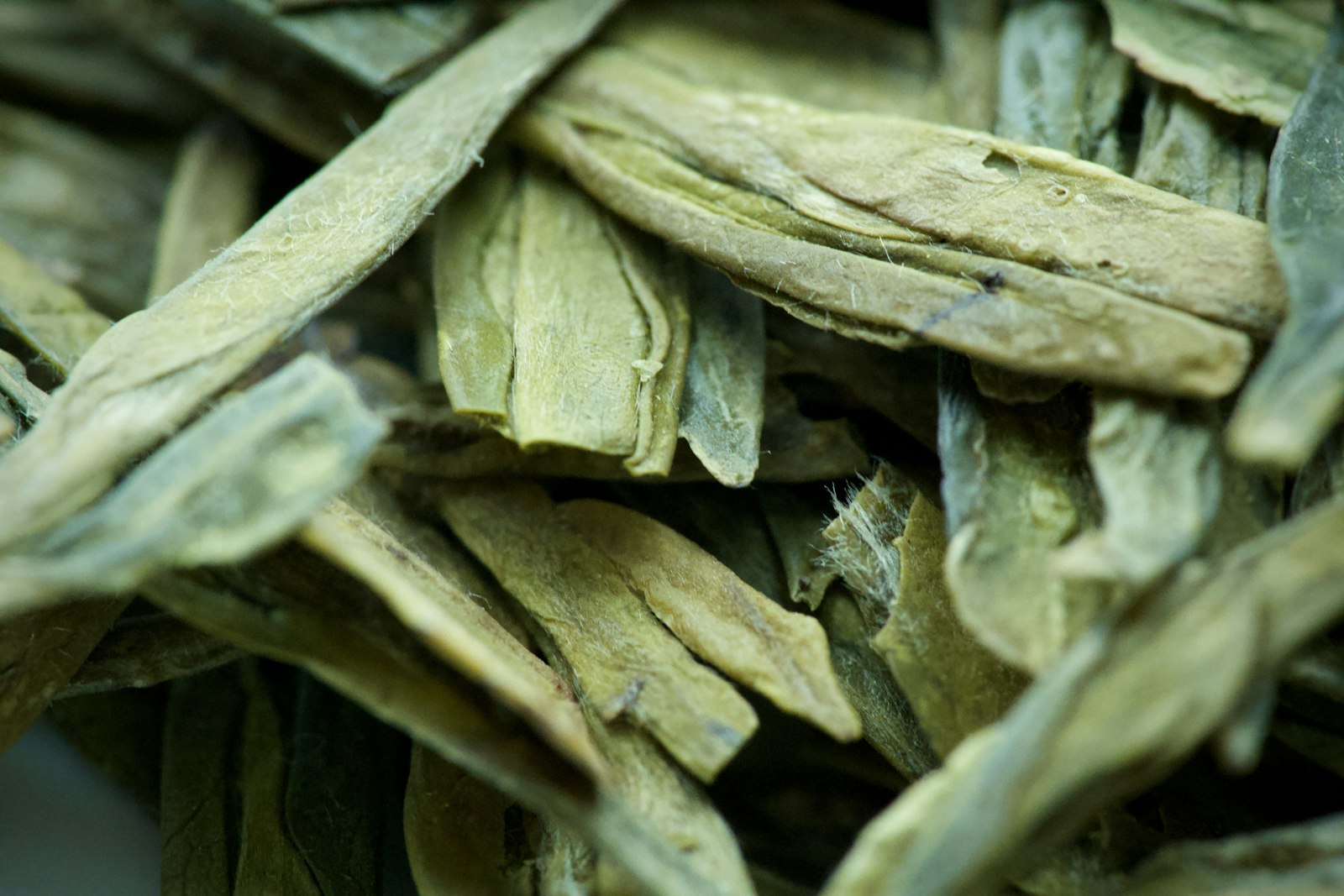
Buchu shows up in just about every herbal monograph for urinary tract health. The German Commission E lists it. The British Herbal Pharmacopoeia lists it. Cape Town health-food shops sell it bottled into spring water. Two centuries after it left the Khoi-San dispensary for the European apothecary, buchu has earned a place on more “herbs for UTI” lists than almost any other plant.
It also has zero randomised controlled trials in humans for any urinary indication.
That gap is the entire story of buchu leaf. The traditional record is rich. The chemistry is interesting. The clinical evidence simply doesn’t exist yet, and one of the leaf’s main constituents is the same hepatotoxin that makes pennyroyal a poisoning case study. If you are thinking about taking buchu for bladder health, that’s the trade-off you are accepting.
Key Takeaways
- Buchu (Agathosma betulina) was a staple of Khoi-San medicine in the Cape region of South Africa long before European pharmacopoeias adopted it in the 1800s
- No randomised controlled trial has ever tested buchu for UTI, cystitis, or any other urinary condition in humans [1]
- Lab studies show moderate antimicrobial activity for the leaf extract against bacteria including E. coli, Staph aureus, and Klebsiella, but the essential oil itself is mostly inactive [1, 2]
- Diuretic claims rest on traditional use and animal data; no human clinical trial has measured urine output
- Buchu leaf oil contains 1.5 to 8 percent pulegone, a hepatotoxin best known from pennyroyal poisoning cases [3, 4]
- Contraindicated in pregnancy (linked to miscarriage), with bleeding disorders, and alongside lithium or diuretics
Where Buchu Came From, and Why It Matters
The Khoi-San and San peoples of what is now South Africa’s Western Cape used buchu for centuries before any European wrote about it. They mixed dried leaves with sheep fat to dress wounds, drank infusions for stomach upsets, and used it as a body perfume and insect repellent. Bladder and kidney problems were one application among many, not the headline use.
Dutch settlers picked it up in the 1600s. By the 1820s, buchu was being shipped to England in such volume that the British Pharmacopoeia added it as an official drug, marketed mainly for “diseases of the urinary organs.” That is the moment buchu became a urinary herb in the Western imagination. Before that, it was a general-purpose Cape medicine.
Why does this history matter? Because the modern marketing claim — that buchu is a centuries-tested UTI remedy — collapses two different traditions. The Khoi-San used it for many things. The Victorians narrowed it to the bladder. And then the Victorians went off to use antibiotics, and the buchu evidence base never caught up.
What the Lab Data Actually Shows
This is the section where most herbal articles overstate the case. So let’s be precise about what has and has not been demonstrated.
Antimicrobial activity (the leaf extract): A 2022 review in Frontiers in Pharmacology synthesised the available pharmacological work on both buchu species. The methanol-dichloromethane extract showed low to moderate activity against urinary pathogens including Klebsiella pneumoniae, Bacillus cereus, and Staphylococcus aureus in standard MIC (minimum inhibitory concentration) assays [1]. “Low to moderate” means the extract slows bacterial growth in a petri dish at concentrations achievable in laboratory conditions. It does not mean the same effect occurs in human urine.
Antimicrobial activity (the essential oil): Weaker still. A 2001 study in the Journal of Pharmacy and Pharmacology tested undiluted buchu essential oil against six microorganisms. It showed no activity against Enterococcus hirae or Pseudomonas aeruginosa, and only very low activity against E. coli, Staphylococcus aureus, and Saccharomyces cerevisiae [2]. This matters because many buchu products are essential oil capsules. The form with the weakest antimicrobial data is often the form people are buying.
Antifungal activity: This is where buchu actually performs. A 2019 South African study found the volatiles from buchu essential oil produced a remarkable inhibitory effect against Trichophyton rubrum and T. mentagrophytes, the fungi behind athlete’s foot and ringworm [5]. The major essential oil constituents (limonene 29.8 percent, menthone 21.6 percent, isomenthone 14.7 percent) appear to be doing the antifungal work. Side note: these are the same terpenes that explain why buchu smells so distinctively like blackcurrant and mint. The connection to fungal cell membranes is well-documented across many essential oils, so this finding is biochemically plausible.
Antioxidant and anti-inflammatory: Lab studies show both, in line with what you would expect from a herb rich in flavonoids and terpenes. Whether this translates to clinical benefit at the doses people actually take is unknown.
Diuretic effect: Claimed in every traditional source. Demonstrated in animal studies. Never measured in a controlled human trial. The German Commission E monograph itself states that the plant’s activity in this claimed use “has not been substantiated.”
Honest grade for buchu’s evidence base in urinary indications: low. There is preclinical signal. There is no clinical confirmation.
How Buchu Stacks Up Against Other Urinary Herbs
When patients ask “should I try buchu,” the right answer requires comparing it to what else is on the shelf. Here is the picture:
| Herb | Best evidence | Strongest finding | Main limitation |
|---|---|---|---|
| Buchu (A. betulina) | In vitro extract MIC studies | Moderate activity vs E. coli, Klebsiella, Staph in petri dish | Zero human trials; pulegone content [1] |
| Uva ursi | One large RCT (negative for treatment) | Hydroquinone metabolites destroy bacterial membranes in urine | Strict 14-day safety limit |
| D-mannose | Multiple RCTs | ~2 g/day reduces UTI recurrence comparably to nitrofurantoin in some trials | Only works against E. coli UTIs |
| Cranberry | Cochrane review of 50 trials | ~27 percent UTI risk reduction with adequate PAC dose | Many products underdosed; weak for active treatment |
| Horsetail | Two small RCTs | 900 mg extract matched hydrochlorothiazide for diuresis | Diuretic only, no antimicrobial data |
Buchu sits at the bottom of this evidence hierarchy. That doesn’t mean it doesn’t work. It means we don’t know whether it works, and the people promoting it can’t honestly claim otherwise.
The Pulegone Problem
Now for the part that gets glossed over.
Pulegone is a monoterpene ketone that occurs naturally in the mint family and in buchu. In isolation, it’s a known hepatotoxin. The mechanism is well-mapped: oxidative metabolites of pulegone (notably menthofuran) bind to liver proteins and deplete glutathione, the liver’s main defensive antioxidant. Glutathione depletion increased pulegone toxicity tenfold in rat studies [3, 4]. The most famous human harm from pulegone comes from pennyroyal oil, which is roughly 90 percent pulegone. People have died from drinking it.
Buchu is not pennyroyal. Agathosma betulina leaf oil contains 1.5 to 8 percent pulegone. The closely related A. crenulata, often sold as “buchu” without distinction, can contain over 30 percent pulegone, several times more. If your product label says “buchu” without naming the species, that’s a meaningful information gap.
Here is the reassuring part. The NIH LiverTox database, which tracks every documented case of supplement-related liver injury, has not recorded a single confirmed case of clinically apparent liver damage from buchu at normal doses [6]. Hepatotoxicity from buchu, if it occurs at all, is very rare. Short courses at traditional doses (1 to 2 grams of dried leaf per day, or the equivalent tea) appear to be well-tolerated.
But the risk, while real, is bounded. The practical takeaway: avoid prolonged high-dose use, prefer products that specify A. betulina, and stop immediately if you develop nausea, fatigue, or yellowing of the skin or eyes.
What Can Go Wrong: Side Effects and Interactions
Most people who drink buchu tea or take a few capsules notice nothing. The complaints that do show up tend to be predictable.
Common, dose-dependent:
- Stomach irritation, nausea, mild cramping
- Increased urinary frequency (the diuretic effect, real or expected)
- Bladder or urethral irritation in sensitive people
- Heavier menstrual flow
Less common, more concerning:
- Allergic skin reactions
- Headache
- Heightened bleeding risk (animal data only)
- Theoretical hepatotoxicity at sustained high doses
Drug interactions to take seriously:
- Lithium. Any herb with diuretic activity can raise lithium levels by reducing kidney clearance. Don’t combine without monitoring.
- Prescription diuretics (furosemide, hydrochlorothiazide, spironolactone). Additive electrolyte effects, particularly potassium loss.
- Anticoagulants (warfarin, dabigatran, aspirin, clopidogrel). Mild antiplatelet activity has been reported in animal models. The clinical significance is uncertain, but a conversation with a pharmacist is warranted before stacking buchu on top of blood thinners.
Contraindications. People who should not take buchu at all:
- Pregnancy. Buchu has been linked to miscarriage in case reports, and pulegone is a known abortifacient.
- Breastfeeding. Insufficient safety data.
- Active kidney infection or pyelonephritis. Buchu can irritate inflamed kidney tissue.
- Existing liver disease. The pulegone risk, while small in healthy adults, is harder to justify when the liver is already compromised.
- Bleeding disorders or upcoming surgery (stop two weeks before).
- Children under 12. No safety data.
Diuretic Claims: What’s Real
The diuretic story for buchu is almost entirely traditional. Khoi-San use, Dutch settlers, German Commission E, and modern herbalists all agree it increases urine flow. The clinical literature does not.
What we have is animal pharmacology. Rat studies have shown modest increases in urine output with buchu extract. The mechanism is presumed to involve the volatile oil components irritating the renal tubules slightly, prompting more water excretion. This is the same low-grade mechanism behind many “kidney teas.” It is not the same kind of action as a thiazide drug or even a well-studied herbal diuretic like horsetail extract.
If you want an evidence-based diuretic herb, horsetail has two RCTs behind it. Buchu has none. That is the fair comparison.
Practical Use, If You’re Going to Take It
If you have weighed the limited evidence and the pulegone caveat and still want to try buchu (the tradition is long, and many people find it useful for mild urinary discomfort), here is how to do it sensibly.
Form. Tea made from dried A. betulina leaves (clearly labelled species) is the most studied form. Standardised extracts and tinctures from reputable brands are reasonable alternatives. Avoid undiluted essential oil; the antimicrobial data is weakest there and the pulegone concentration highest.
Dose. Traditional tea: 1 to 2 grams of dried leaf in a cup of just-boiled water, steeped 10 minutes, two to three times daily. This is the dose range cited in classical Western herbal sources [7].
Duration. No formal limit exists, but treat it like uva ursi. Two to four weeks maximum, then a break. If you need it longer than that, see a clinician.
Hydration. Buchu is meant to be used as part of “irrigation therapy”: the herb plus a deliberately high water intake. Drink at least two litres a day if you’re using it for bacterial cystitis or to support recovery from a urinary tract infection.
Stop signals. Yellow skin or eyes, dark urine, persistent nausea, bleeding, or worsening urinary symptoms. None should happen, but if any do, stop immediately and seek medical advice.
When This Won’t Be Enough
Buchu is, at best, a mild adjunct. It is not a treatment for anything serious.
If you have burning during urination, blood in your urine, fever, flank pain, or pelvic pain, see a doctor before reaching for buchu. These can signal an active infection or a recurrent UTI that needs proper diagnosis and antibiotics. Treating an active pyelonephritis with herbal tea is genuinely dangerous; the infection can ascend to the bloodstream within days.
If you have had three or more UTIs in a year, you need a workup, not a herb. Ask your GP about a urology referral. If your urinary symptoms are chronic without infection (urgency, frequency, pelvic discomfort), interstitial cystitis and overactive bladder deserve consideration before you spend months self-medicating.
And if you are pregnant, breastfeeding, on lithium, on warfarin, or have liver disease, skip buchu entirely. The downside risk outweighs anything the limited evidence supports.
Common Questions
What does buchu actually taste and smell like?
Strong. The essential oil is dominated by limonene, menthone, and a sulphur-containing compound called diosphenol that gives buchu its distinctive blackcurrant-meets-mint note. South Africans describe the tea as bitter and aromatic; some compare it to a medicinal version of blackcurrant cordial. The smell is the easiest way to confirm you have real buchu and not a substituted herb.
Is Agathosma betulina the same as Agathosma crenulata?
No, and the difference matters. Both are sold as buchu, but A. crenulata contains substantially more pulegone, sometimes over 30 percent of the essential oil compared to under 8 percent in A. betulina. If a product does not name the species on the label, assume the cheaper crenulata is involved and treat it more cautiously.
Can you drink buchu tea while pregnant?
No. Buchu has been linked to miscarriage in case reports and is classified as likely unsafe in pregnancy. The mechanism is its uterine-stimulant activity combined with the abortifacient reputation of pulegone, the same compound that makes pennyroyal dangerous in pregnancy. Avoid it entirely from conception through breastfeeding.
Is buchu the same as pennyroyal in terms of liver risk?
They share the toxic compound but not the dose. Pennyroyal oil is up to 90 percent pulegone, which has caused fatal liver failure in case reports. Buchu leaf oil contains 1.5 to 8 percent pulegone, and the LiverTox database has not recorded a single confirmed case of buchu-related liver injury [6]. The risk is real in theory but appears low in practice with normal doses and short courses.
Does buchu interact with lithium, diuretics, or blood thinners?
Yes to all three, in theory. Buchu’s mild diuretic activity can raise blood lithium levels by changing fluid balance. Combined with prescription diuretics it may amplify potassium loss. Animal data also suggest mild antiplatelet activity, so people on warfarin, aspirin, or other anticoagulants should check with a pharmacist before adding it.
How long should you take buchu before stopping?
There is no agreed limit, but the pulegone content argues for short courses rather than daily long-term use. A pragmatic approach borrowed from uva ursi guidance is no more than 2 to 4 weeks at a time, with breaks in between. If you find yourself reaching for buchu repeatedly to manage urinary symptoms, that is a signal to see a doctor about the underlying cause.
What This Means If You’re Considering Buchu
The buchu story is unusually clean for a herbal medicine. Two centuries of use. A coherent traditional indication. Plausible mechanisms in lab studies. And a complete absence of the human trials that would let anyone honestly say it works. If that combination is enough for you, used short-term and at sensible doses, buchu has a low-but-nonzero risk profile and a real (though modest) place in the herbal toolbox.
If you want evidence over tradition, the herbs ahead of buchu in the queue are uva ursi, D-mannose, and adequately dosed cranberry. The buchu leaf for bladder health pitch sells better than it studies, and a careful reader should know that going in.
References
- Moolla A, Viljoen AM. Buchu — Agathosma betulina and Agathosma crenulata: Rightfully Forgotten or Underutilized? Frontiers in Pharmacology. 2022;13:813142. PubMed
- Lis-Balchin M, Hart S, Simpson E. Buchu (Agathosma betulina and A. crenulata, Rutaceae) essential oils: their pharmacological action on guinea-pig ileum and antimicrobial activity on microorganisms. Journal of Pharmacy and Pharmacology. 2001;53(4):579-82. PubMed
- Thomassen D, Slattery JT, Nelson SD. Hepatotoxicity of pulegone in rats: its effects on microsomal enzymes, in vivo. Journal of Pharmacology and Experimental Therapeutics. 1989. PubMed
- EFSA FEEDAP Panel. Safety and efficacy of an essential oil from the leaves of Agathosma betulina (buchu leaf oil) for use in all animal species. EFSA Journal. 2022. PMC
- Sandasi M, Kamatou GPP, Combrinck M, Viljoen AM. Antifungal activity of the volatiles of Agathosma betulina and Coleonema album commercial essential oils. South African Journal of Botany. 2019. ScienceDirect
- National Institute of Diabetes and Digestive and Kidney Diseases. Buchu. LiverTox: Clinical and Research Information on Drug-Induced Liver Injury. NCBI Bookshelf
- Drugs.com Professional Monograph. Buchu Uses, Benefits & Dosage. Drugs.com
Frequently Asked Questions
- What does buchu actually taste and smell like?
- Strong. The essential oil is dominated by limonene, menthone, and a sulphur-containing compound called diosphenol that gives buchu its distinctive blackcurrant-meets-mint note. South Africans describe the tea as bitter and aromatic; some compare it to a medicinal version of blackcurrant cordial. The smell is the easiest way to confirm you have real buchu and not a substituted herb.
- Is Agathosma betulina the same as Agathosma crenulata?
- No, and the difference matters. Both are sold as buchu, but A. crenulata contains substantially more pulegone, sometimes over 30 percent of the essential oil compared to under 8 percent in A. betulina. If a product does not name the species on the label, assume the cheaper crenulata is involved and treat it more cautiously.
- Can you drink buchu tea while pregnant?
- No. Buchu has been linked to miscarriage in case reports and is classified as likely unsafe in pregnancy by both Drugs.com and WebMD. The mechanism is its uterine-stimulant activity combined with the abortifacient reputation of pulegone, the same compound that makes pennyroyal dangerous in pregnancy. Avoid it entirely from conception through breastfeeding.
- Is buchu the same as pennyroyal in terms of liver risk?
- They share the toxic compound but not the dose. Pennyroyal oil is up to 90 percent pulegone, which has caused fatal liver failure in case reports. Buchu leaf oil contains 1.5 to 8 percent pulegone, and the LiverTox database has not recorded a single confirmed case of buchu-related liver injury. The risk is real in theory but appears low in practice with normal doses and short courses.
- Does buchu interact with lithium, diuretics, or blood thinners?
- Yes to all three, in theory. Buchu's mild diuretic activity can raise blood lithium levels by changing fluid balance. Combined with prescription diuretics it may amplify potassium loss. Animal data also suggest mild antiplatelet activity, so people on warfarin, aspirin, or other anticoagulants should check with a pharmacist before adding it.
- How long should you take buchu before stopping?
- There is no agreed limit, but the pulegone content argues for short courses rather than daily long-term use. A pragmatic approach borrowed from uva ursi guidance is no more than 2 to 4 weeks at a time, with breaks in between. If you find yourself reaching for buchu repeatedly to manage urinary symptoms, that is a signal to see a doctor about the underlying cause.
Medical Disclaimer: The information provided is for educational purposes only and should not be considered as medical advice. Always consult with a qualified healthcare professional before making any changes to your diet, supplement regimen, or treatment plan.
Was this article helpful?