Horsetail Tea Side Effects: 4 Risks the Label Skips
Horsetail tea side effects include thiamine depletion, lithium toxicity risk, and look-alike toxic species. What NCCIH and the EMA say about safe use.
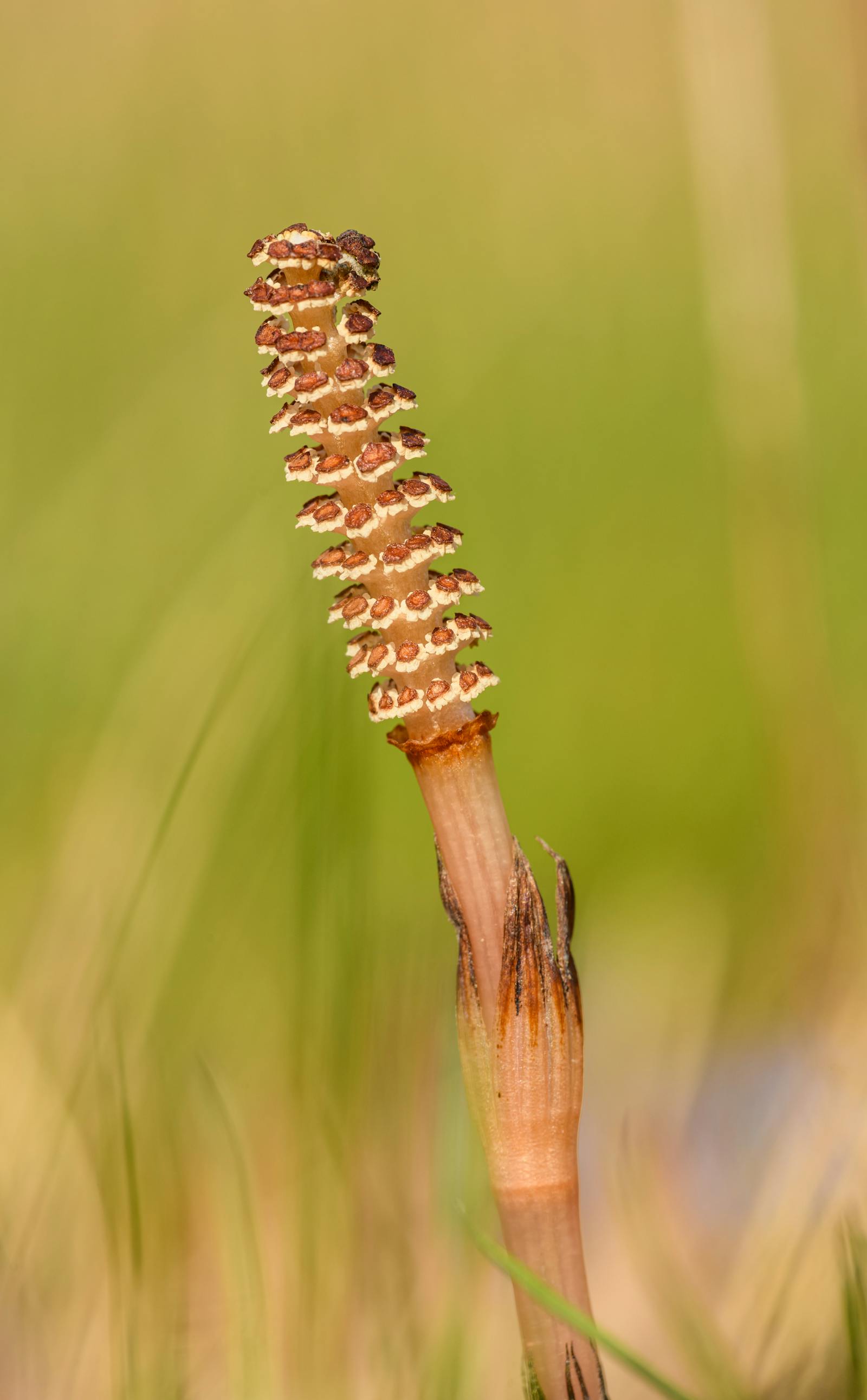
Horsetail tea is sold as a gentle, traditional kidney remedy. The NCCIH page on it is a short list of warnings. The European Medicines Agency caps “safe use” at four to six weeks. That gap, between how horsetail tea is marketed and what regulators actually say about it, is the reason most people drinking it have no idea what they are meant to watch for.
The herb itself, Equisetum arvense, has been used in European medicine for centuries. Side note: fossils of the same genus turn up in coal seams 350 million years old, which makes horsetail older than every flowering plant on the planet. Tradition is not the issue here. The label is. The ingredients line on a tea bag almost never mentions the four side effects that show up consistently in toxicology reports and pharmacovigilance data.
Key Takeaways
- Horsetail contains thiaminase, an enzyme that breaks down vitamin B1; long-term daily tea use has been linked to thiamine deficiency in case reports
- Look-alike species Equisetum palustre contains palustrine, a toxic alkaloid; cheap or wild-harvested products can be contaminated
- Theoretical interactions with lithium, digoxin, prescription diuretics, and diabetes medications are flagged by NCCIH and the German Commission E
- The NCCIH and EMA recommend short-term use only, typically 4 to 6 weeks, and avoidance during pregnancy and breastfeeding
- Two clinical trials of standardised horsetail extract (not tea) found no electrolyte loss or kidney/liver issues over 4 days and 12 weeks
What NCCIH and the EMA Actually Say
The US National Center for Complementary and Integrative Health publishes a brief fact sheet on horsetail [3]. It does not endorse the herb for any condition. It flags the thiaminase content. It warns that some commercial preparations have been contaminated with related toxic species. And it notes the lack of long-term human safety data.
The European Medicines Agency’s 2016 monograph classifies Equisetum arvense herb as a “traditional herbal medicinal product” [4], a category that means tradition supports the use but modern RCT data is insufficient. Recommended adult dose: 6 grams of dried herb daily as a tea, taken with at least 750 mL of water, for no longer than four to six weeks.
That four-to-six-week ceiling is not arbitrary. It exists because long-term safety data does not.
Risk #1: Thiamine (Vitamin B1) Depletion
This is the side effect even regular horsetail drinkers tend not to know about.
Horsetail contains thiaminase, an enzyme that breaks down thiamine. It has been studied for decades, originally in agricultural toxicology. Horses that grazed on wild horsetail in pastures developed a thiamine-deficiency neurological disease called equisetosis, documented in detail in the 1952 Canadian veterinary literature [5].
Humans are not grazing animals, and the doses are different. But case reports do exist of people developing thiamine-deficiency symptoms after sustained horsetail tea consumption: fatigue, peripheral neuropathy (tingling in hands and feet), loss of appetite, and in severe cases beriberi-like presentations.
A common misconception is that brewing horsetail in boiling water destroys the thiaminase. It does not, fully. Alcoholic tinctures inactivate the enzyme. Standard tea steeping reduces but does not eliminate it. This is one reason older European pharmacopoeias often preferred tinctures over tea for any extended use.
Practical takeaway: if you drink horsetail tea daily beyond two or three weeks, take a B-complex supplement alongside it, and stop at the first sign of fatigue, numbness, or tingling.
Risk #2: The Wrong Species
Not all horsetail is Equisetum arvense. The genus has dozens of species. One of them, Equisetum palustre or marsh horsetail, contains palustrine, an alkaloid that causes severe neurological toxicity in livestock and is suspected to be harmful to humans [6].
E. palustre and E. arvense look similar enough to confuse non-experts. Wild-harvested products and cheap commercial supplements have been documented to contain mixed material. The German pharmacopoeia historically required microscopic identification to verify species purity.
What this means for your tea bag: buy only from suppliers who specify Equisetum arvense on the label, ideally with a Certificate of Analysis. Avoid wild-harvested horsetail unless you can identify the species yourself. If a label just says “horsetail” with no Latin name, put it back.
Risk #3: Drug Interactions
Most of these interactions are theoretical, with limited human trial data. They still matter.
Lithium. Diuretics raise blood lithium by reducing renal clearance. Anyone on lithium for bipolar disorder should not add a herbal diuretic without psychiatric supervision and lithium-level monitoring. This is the single highest-risk interaction on the list.
Digoxin and other heart rhythm drugs. Diuretics that lower potassium can amplify digoxin toxicity. The 2014 Carneiro RCT found horsetail extract did not lower potassium over 4 days [1], a real difference from prescription thiazides. Longer-term electrolyte effects in older or polypharmacy patients have not been established.
Diabetes medications. Horsetail’s chromium content has been proposed to lower blood glucose. People on metformin, sulfonylureas, or insulin should monitor blood sugar more closely if they add horsetail and watch for hypoglycaemia.
Other diuretics. Combining horsetail with hydrochlorothiazide, spironolactone, or furosemide has not been studied. The German Commission E and EMA both advise against combination unless under medical supervision.
This is not the full list. It is the list that catches almost everyone who runs into trouble.
Risk #4: Pregnancy, Breastfeeding, and Children
Both NCCIH and the EMA list horsetail as contraindicated during pregnancy and breastfeeding. Two reasons: insufficient safety data and theoretical concerns about uterine effects from related compounds.
For children, horsetail is not recommended at any dose. The EMA monograph restricts use to adults only. There is no pediatric dosing data because no one has run a pediatric trial.
Tea vs Extract: Different Safety Profiles
The clinical trials cited as evidence for horsetail’s diuretic effect did not test tea. They tested standardised dry extract. The safety data follows accordingly.
| Horsetail tea (6 g dried herb daily) | Standardised dry extract (900 mg/day) | |
|---|---|---|
| Trial data | None — based on tradition | 2 RCTs; 4-day [1] and 12-week [2] |
| Thiaminase content | Active in brewed tea | Largely destroyed in processing |
| Electrolyte changes | Not measured | None observed |
| Adverse events | Anecdotal; long-term unstudied | 3.58% rate at 12 weeks |
| Recommended duration | 4 to 6 weeks (EMA) | 12 weeks tested |
| Pregnancy | Contraindicated | Not tested |
For the efficacy data behind those extract trials, see our breakdown of the horsetail tea diuretic effect evidence.
The Honest Case For Horsetail Tea
If horsetail were genuinely dangerous at recommended doses, regulators would not have monographs supporting traditional use at all. They have them. The EMA approves Equisetum arvense for “irrigation therapy” of the urinary tract. The German Commission E has approved similar use since the 1980s.
At 6 g/day for 4 to 6 weeks, with proper species identification and adequate water intake, horsetail tea has a reasonable safety record across centuries of European use. The case reports of harm tend to involve either contaminated species, prolonged use without B-complex co-supplementation, or interactions with prescription drugs that should have been flagged at the consultation stage. The “natural equals safe” frame is misleading. So is the “totally dangerous” frame. The truth is more useful: it is a short-term tool, used with awareness, with specific people who should skip it entirely.
Who Should Avoid Horsetail Entirely
Skip horsetail if you are:
- Pregnant or breastfeeding
- Taking lithium
- Taking digoxin
- A child or adolescent
- Living with kidney impairment or heart failure (fluid balance shifts can be unsafe)
- Already on a prescription diuretic
- A heavy alcohol drinker (already at risk for thiamine deficiency)
- Living with diabetes and unstable glucose control
- Recovering from anorexia or any state of malnutrition
You will see people online recommending horsetail tea for active kidney stones or to “flush out” a UTI. There is no clinical evidence supporting either. An active urinary tract infection needs antibiotics, not tea. Move on.
Red Flags to Watch For
Stop horsetail and see your GP if you notice any of the following:
Tingling, numbness, or burning in your hands or feet. Possible early thiamine deficiency. The peripheral neuropathy of beriberi starts subtly and is reversible if caught early.
Persistent fatigue or loss of appetite that was not there before you started. Same concern.
Unusual heart palpitations. Could indicate electrolyte changes if you are also on other medications.
Sudden change in urine output, either dramatic increase or decrease. Get a urine test and a basic kidney function panel.
If you have been using horsetail tea for recurrent UTIs and you develop burning during urination, fever above 38°C, blood in your urine, or flank pain, these are not horsetail side effects. They are an active infection that needs same-day medical assessment, not a stronger brew.
Common Questions
Can I drink horsetail tea every day for years?
The EMA caps recommended use at 4 to 6 weeks. Long-term daily use is not supported by safety data, and the thiaminase concern grows with duration. If you have found horsetail tea genuinely useful and want to stay on it longer, alternate with other gentle diuretic herbs such as parsley or dandelion leaf, take regular breaks, and supplement with a B-complex. An annual blood test that includes serum B1 (thiamine) is a sensible addition for any long-term user.
Is horsetail tea safer than prescription diuretics?
For most healthy adults taking it short term, yes, but for a different reason than people assume. The 2014 RCT found horsetail did not deplete sodium or potassium the way hydrochlorothiazide does [1]. That is a genuine safety advantage on electrolytes. The trade-off is that horsetail comes with thiaminase, possible species contamination, and very limited long-term data, while prescription diuretics come with predictable monitoring, dosing, and decades of pharmacovigilance. Different risks, not lower risks.
Are horsetail capsules safer than horsetail tea?
It depends on the form. Standardised dry extract capsules, like the 900 mg daily dose used in the horsetail diuretic RCTs, typically have lower thiaminase activity due to processing. They have also been tested in 12-week trials with adverse event tracking [2]. Cheap unstandardised capsules that contain only milled dried herb in a pill behave essentially like tea, with the same thiamine concern.
Can horsetail tea damage my kidneys?
There is no direct evidence horsetail damages healthy kidneys at recommended doses. The 2022 RCT followed kidney function over 12 weeks at 900 mg/day extract and found no abnormalities [2]. People with existing kidney disease should still avoid it. The diuretic effect changes fluid and electrolyte balance unpredictably in damaged kidneys, and the safety of any herbal diuretic in chronic kidney disease has not been studied.
Why does some horsetail tea contain Equisetum hyemale instead of arvense?
Equisetum hyemale, scouring rush, is sometimes substituted because it grows abundantly and is easier to harvest. It shares some compounds with E. arvense but the safety and traditional use evidence is specifically for E. arvense. Avoid products that do not specify the species, and prefer Equisetum arvense on the label.
Does horsetail tea interact with cranberry supplements?
No clinically meaningful interaction has been documented. Both are relatively gentle on most healthy adults, and the mechanisms do not overlap (cranberry blocks bacterial adhesion via proanthocyanidins; horsetail acts as a diuretic). Stacking them for UTI prevention is common in herbal practice, though no trial has tested the combination directly. If you do combine them, watch your fluid intake. Both increase urine output.
What This Means for You
The horsetail tea side effects most likely to matter to you are not exotic. Thiamine depletion. The wrong species in the bag. Drug interactions if you are on lithium or digoxin. The boring stuff that is easy to miss until you are already dealing with it.
Use horsetail in short courses. Buy from a supplier that specifies Equisetum arvense. Take a B-complex if you go past three weeks. Do not combine it with prescription diuretics or lithium. And if your urinary symptoms have not improved in 4 to 6 weeks of supportive use, switch to medical evaluation rather than another bag of tea.
References
- Carneiro DM, Freire RC, Honório TC, Zoghaib I, Cardoso FF, Tresvenzol LM, et al. Randomized, double-blind clinical trial to assess the acute diuretic effect of Equisetum arvense (field horsetail) in healthy volunteers. Evidence-Based Complementary and Alternative Medicine. 2014;2014:760683. PubMed
- Faustino MV, Pinto DC, Gonçalves MJ, et al. Effectiveness and safety of Equisetum arvense in treatment of mild essential arterial hypertension: a randomized double-blind clinical trial. Phytomedicine. 2022.
- National Center for Complementary and Integrative Health. Horsetail. NCCIH Herbs at a Glance. NCCIH
- European Medicines Agency, Committee on Herbal Medicinal Products. European Union herbal monograph on Equisetum arvense L., herba. EMA/HMPC/278091/2015. 2016.
- Henderson JA, Evans EV, McIntosh RA. The antithiamine action of Equisetum. Journal of the American Veterinary Medical Association. 1952;120:375-378.
- Wichtl M, ed. Herbal Drugs and Phytopharmaceuticals: A Handbook for Practice on a Scientific Basis. 3rd ed. CRC Press; 2004:189-191.
- Memorial Sloan Kettering Cancer Center. Horsetail. About Herbs database. MSKCC
Frequently Asked Questions
- What does NCCIH say about horsetail tea side effects?
- The US National Center for Complementary and Integrative Health does not endorse horsetail for any condition. Its fact sheet warns about thiaminase content that can deplete vitamin B1, possible contamination with the toxic look-alike species Equisetum palustre, and contraindication during pregnancy. NCCIH also notes that long-term safety has not been studied in humans.
- Can horsetail tea cause vitamin B1 deficiency?
- Yes, with prolonged daily use. Horsetail contains thiaminase, an enzyme that breaks down thiamine. Standard tea brewing reduces but does not fully inactivate the enzyme. Case reports describe peripheral neuropathy and beriberi-like symptoms after sustained horsetail tea consumption. Alcoholic tinctures inactivate thiaminase, which is why older European pharmacopoeias preferred them for extended use.
- Is horsetail tea safe to drink every day?
- Both the European Medicines Agency and the German Commission E recommend a maximum of 4 to 6 weeks of continuous use. Daily intake beyond that has not been tested for safety. If you use it regularly, take a B-complex supplement alongside it and stop at any sign of fatigue, numbness or loss of appetite.
- What drugs interact with horsetail tea?
- The most clinically meaningful interactions are with lithium, where horsetail's diuretic effect may raise blood lithium to toxic levels, and digoxin, where any potassium-lowering effect can amplify cardiac toxicity. People taking prescription diuretics, diabetes medications or warfarin should also speak to their doctor before using horsetail tea, even short term.
- Why is Equisetum palustre in horsetail tea dangerous?
- Equisetum palustre, marsh horsetail, contains palustrine, an alkaloid that causes severe neurological toxicity in livestock and is suspected to be harmful to humans. It looks similar to the medicinal Equisetum arvense and has been documented as a contaminant in wild-harvested or unspecified horsetail products. Always buy from suppliers who name Equisetum arvense on the label.
- Can I drink horsetail tea during pregnancy?
- No. Both NCCIH and the EMA list horsetail as contraindicated in pregnancy and breastfeeding. The reasons are insufficient safety data and theoretical concerns about effects on the uterus from related compounds. Horsetail is also not recommended for children at any dose.
Medical Disclaimer: The information provided is for educational purposes only and should not be considered as medical advice. Always consult with a qualified healthcare professional before making any changes to your diet, supplement regimen, or treatment plan.
Was this article helpful?