Pumpkin Seed Extract for Bladder Health: Whole Seed Wins
The largest trial on pumpkin seed extract for bladder health found 500 mg capsules failed against placebo, while 10 g of whole seed worked. Why form matters.
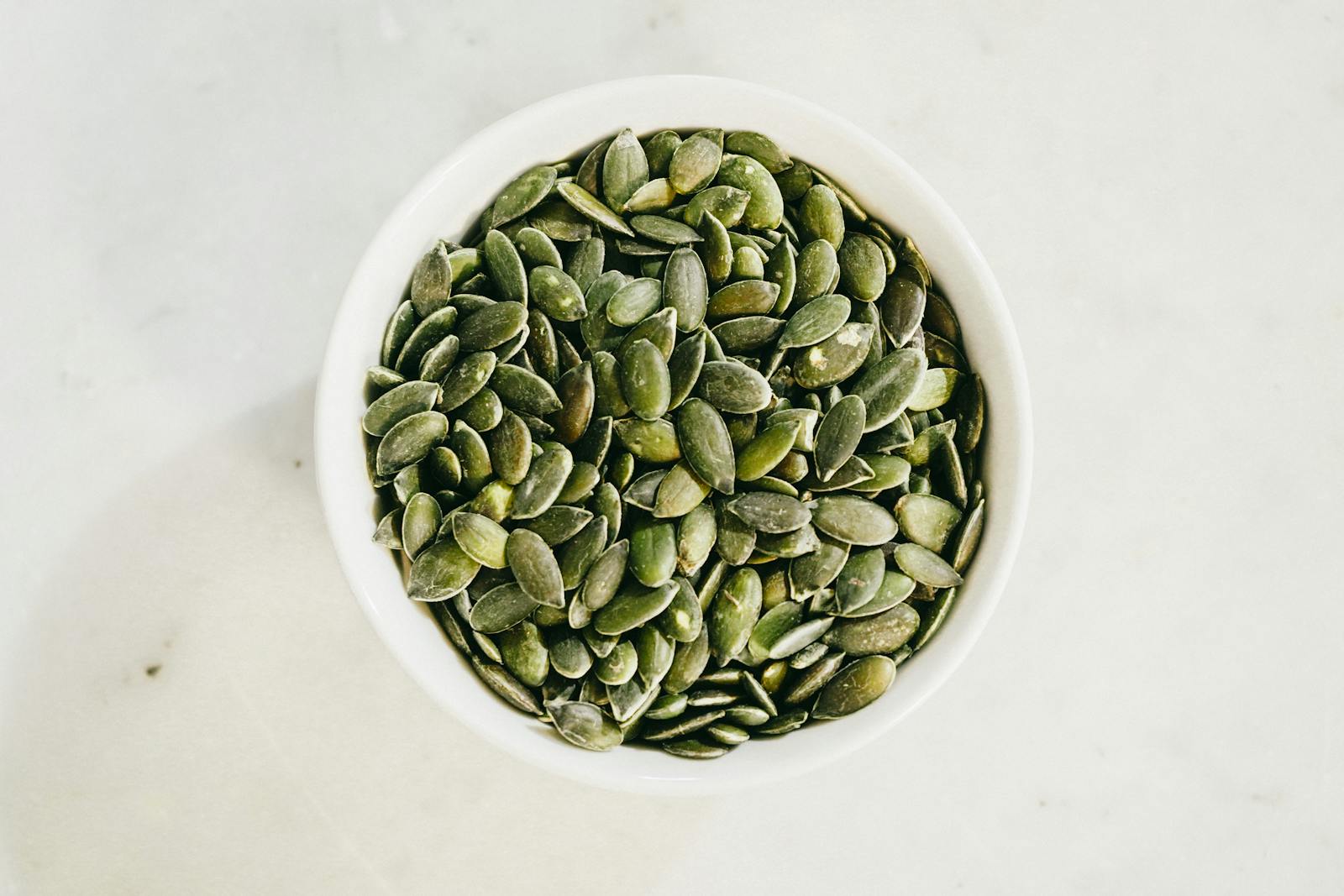
The largest trial ever run on pumpkin seed for the bladder enrolled 1,431 men and ran for a year. Whole pumpkin seed at 10 grams a day beat placebo. The concentrated extract capsules at 1 gram a day did not.
Most supplement labels do not tell you that. They sell you a 500 mg capsule and quote the trial that worked, even though their product matches the arm that failed. If you are considering pumpkin seed extract for bladder health, that one detail changes everything about which product to pick.
Key Takeaways
- The 1,431-man GRANU trial found whole pumpkin seed (10 g/day) reduced BPH symptoms vs placebo, but the concentrated extract (1 g/day) did not
- A 12-week open-label OAB study (Nishimura 2014) using 10 g/day pumpkin seed oil from Cucurbita maxima lowered both daytime and nighttime urination
- The 120-patient Cucuflavone RCT found pumpkin seed + soy germ extract significantly reduced urgency and incontinence over 12 weeks
- Cucurbitin is the most studied active compound but has never been tested alone in humans for bladder symptoms
- Pumpkin seed extract does not shrink the prostate. Symptom relief comes through muscle and inflammation pathways
- Side effects are uncommon; main contraindications are anticoagulant use and untreated low blood pressure
The GRANU Paradox: Why Form Matters More Than Dose
The German Research Activities on Natural Urologicals study is the only large, well-powered trial that tested pumpkin seed against placebo for lower urinary tract symptoms over a full year. Three arms: 5 grams of whole pumpkin seed twice a day, 500 mg of standardised pumpkin seed extract twice a day, and matching placebo [1].
After 12 months, 58.5% of men in the whole-seed group were responders. In the placebo group, 47.3% were. That gap is statistically significant.
The extract group? No different from placebo.
This was not a small sub-finding tucked into a supplementary table. It was a primary outcome in a 1,431-patient trial. And it landed in 2014, more than a decade ago. Yet pumpkin seed extract capsules at doses of 200 to 500 mg are still sold for prostate and bladder support, with marketing material that often cites the same GRANU paper without mentioning the extract arm failed.
A few possible explanations for the result:
- The extract concentrates the wrong fraction. Pumpkin seed contains polar compounds (cucurbitin, adenosine, soluble peptides) and lipophilic compounds (sterols, fatty acids, tocopherols). A solvent extract can isolate one and lose the other.
- Dose by mass was lower in the extract arm. 1 gram of extract per day vs 10 grams of whole seed. Even if the extract was 5x more concentrated by some marker, total active load may have been lower.
- The relevant compound is something not yet identified. Several candidates exist (more on cucurbitin below), but no one has shown a single isolated compound matches whole-seed efficacy.
The practical point: when a paper reports that pumpkin seed worked, check whether it tested whole seed, oil, or solvent extract. They are not the same supplement.
What the Overactive Bladder Evidence Actually Shows
Two trials matter for overactive bladder specifically.
The Nishimura 2014 study treated 45 people with OAB symptoms with 10 grams per day of pumpkin seed oil from Cucurbita maxima for 12 weeks. It was open-label, no placebo group, and small. Total OABSS scores fell significantly at 6 and 12 weeks. Daytime frequency and nocturia both dropped [2]. The lack of blinding limits how much weight to give it, but the consistency between baseline and follow-up was striking enough to justify follow-up trials that have not yet been published.
The Cucuflavone trial randomised 120 OAB patients to either a pumpkin seed plus soy germ extract product or placebo for 12 weeks [3]. Treatment beat placebo on frequency, urgency, urge incontinence episodes, and an OAB symptom scale. The proprietary blend makes it hard to attribute the effect to pumpkin seed alone, but it is the strongest controlled trial in OAB to date.
Beyond these, a 2019 trial of CELcomplex (pumpkin seed + flax + casuarina) reported improvements in stress urinary incontinence over 12 weeks [4]. Again, blended product, smaller sample, but the direction is consistent.
What the BPH Evidence Looks Like Outside GRANU
The GRANU result is the headline. But it is not the whole story.
A 2021 single-blind RCT compared Cucurbita pepo oil (320 mg/day) to tamsulosin (the standard prescription alpha-blocker) in 40 men with benign prostatic hyperplasia over 12 weeks [5]. Both arms improved IPSS scores. Tamsulosin won on quality of life and peak urinary flow; pumpkin seed oil was non-inferior on total symptom score. Small trial, single-blind, but it adds to the case that pumpkin seed lipids do something measurable.
A 2018 pilot tested an oil-free hydroethanolic Cucurbita pepo extract in BPH patients [6]. The 12-week IPSS reduction averaged about 30%, though the open-label design means placebo response cannot be ruled out.
A 2022 meta-analysis of two RCTs using pumpkin seed soft extract (a hybrid form) found a clinically meaningful IPSS improvement and a quality-of-life benefit over placebo [7]. The pooled effect was real but modest.
Put it together and the picture is: whole seed and seed oil have moderate but consistent evidence in BPH. Concentrated extract capsules have failed in the only large trial that isolated them.
How the Forms Compare
This is the table the supplement labels do not put on the back of the bottle.
| Form | Typical dose | Best evidence | Main weakness |
|---|---|---|---|
| Whole pumpkin seed | 10 g/day (5 g twice daily) | GRANU (1,431 men, 12 mo, beat placebo for BPH) [1] | Bulky, oxidises, hard to standardise |
| Pumpkin seed oil (cold-pressed) | 10 g/day for OAB; 320 mg/day in some BPH trials | Nishimura OAB; tamsulosin comparator trial [2,5] | Calorie-dense, rancidity if poorly stored |
| Hydroethanolic extract (oil-free) | Varies; 500 mg twice daily in GRANU | Failed against placebo in GRANU [1] | Concentrates polar compounds only |
| Pumpkin seed soft extract | 500 mg/day | Modest effect in 2-trial meta-analysis [7] | Hybrid form, not widely available |
| Combination products (with soy/saw palmetto/etc.) | Variable | Cucuflavone OAB trial; CELcomplex SUI trial [3,4] | Cannot isolate pumpkin seed contribution |
If you want the evidence that worked in the largest trial, that is whole seed at 10 grams a day, roughly a generous handful of unsalted, hulled seeds. If a capsule format is the only realistic option, pumpkin seed oil softgels delivering at least a few grams of oil per day track closer to the trial protocols than dry powder extracts do.
Cucurbitin and the Mechanism Question
Cucurbitin (3-amino-3-carboxypyrrolidine) is the compound supplement marketers reach for when asked what makes pumpkin seed work. It deserves a closer look because the answer is more complicated than the labels suggest.
Cucurbitin was first isolated in the 1960s as the active anthelmintic, the compound that paralyses tapeworms long enough for the gut to expel them [8]. That is the one mechanism cucurbitin has been clearly shown to do in living animals. The leap from “paralyses tapeworms” to “calms an overactive bladder” is mechanistic speculation, not clinical evidence.
Some standardised extracts now report cucurbitin content (one analysed product contained 0.63% cucurbitin and 0.22% adenosine). That is fine for batch consistency. It is not the same as showing those compounds drive the bladder benefit.
The other candidate mechanisms are stronger on biological plausibility:
- Phytosterols (especially beta-sitosterol). Well-studied for BPH symptoms, with their own meta-analysis evidence. See our deeper dive on beta-sitosterol for prostate.
- Linoleic and oleic acids. May modulate bladder smooth muscle through prostaglandin pathways.
- Adenosine. Receptor agonist activity in detrusor muscle has been hypothesised.
- Lignans and tocopherols. Anti-inflammatory effects on prostate tissue.
Honest read: nobody has cleanly isolated which of these does the work. Cucurbitin gets the marketing because it has a memorable name. The phytosterols probably do more of the heavy lifting in BPH, and the fatty acid and adenosine fractions in OAB.
How Much, How Often, For How Long
The evidence-based dosing options come down to three protocols:
- Whole seed, 10 g/day. Split into two doses with food. This matches GRANU.
- Pumpkin seed oil, 10 g/day. Same daily total as the Nishimura OAB trial. One tablespoon morning and one tablespoon evening, on food rather than empty stomach.
- Capsule extracts. If you must, look for products that disclose oil content or beta-sitosterol percentage rather than just total milligrams of “extract.” Doses below 500 mg/day of dry extract have no controlled evidence behind them.
Time horizon: 12 weeks before deciding. Trials measured outcomes at 6 and 12 weeks; if nothing has shifted by 3 months, more time is unlikely to help.
A reasonable expectation: a 20-30% drop in symptom score (frequency, urgency, nocturia) for people who respond. That is meaningful but not curative. About half of trial participants did not respond at all.
Side Effects and Who Should Skip It
The safety record across trials is genuinely good. The 2021 tamsulosin comparator study reported zero adverse events from pumpkin seed oil; the GRANU trial classified all study products as well tolerated; the Cucuflavone trial reported no significant side effects.
What turns up in real-world reports:
- Mild GI symptoms. Nausea, loose stools, stomach discomfort. Usually with high-dose oil. Take with food.
- Itchy rash. Uncommon, mostly in people with sensitivities to other Cucurbitaceae (cucumber, melon, zucchini).
- Dose-dependent diarrhoea. From whole seed. The fibre load adds up at 10 g/day.
The contraindications worth flagging:
- Anticoagulants and antiplatelets. Pumpkin seed extract has mild antiplatelet activity (largely from the linoleic acid and tocopherol content). The clinical relevance is small at supplement doses, but if you are on warfarin, apixaban, or daily aspirin therapy, mention it to your prescriber.
- Antihypertensive medication. A 2000 animal study showed pumpkin seed oil potentiated the effect of felodipine and captopril. People on blood pressure drugs, especially with low baseline pressure, should monitor for dizziness when starting.
- Pregnancy and breastfeeding. No safety data either way. Default to avoiding therapeutic doses.
- Cucurbitaceae allergy. Rare, but if you cannot eat zucchini or cucumber without a reaction, pumpkin seed is in the same family.
- Surgery within 2 weeks. Stop a fortnight before any planned procedure given the antiplatelet potential.
When This Won’t Be Enough
Pumpkin seed extract is for people with mild to moderate symptoms who want to try a low-risk approach before stronger options. It is not the right tool when:
- Urgency comes with fever or flank pain (think infection, not OAB)
- You see blood in your urine
- Nocturia is producing more than 3 litres of overnight urine (consider nocturnal polyuria)
- BPH symptoms include hesitancy with overflow incontinence or urinary retention
These need a doctor, not a supplement. And if you have been taking pumpkin seed for 12 weeks without improvement, that is the signal to stop and reassess, possibly with a referral for urodynamics or, in men, prostate volume measurement.
Common Questions
Is pumpkin seed extract better than saw palmetto for BPH?
No head-to-head trial has compared dry pumpkin seed extract directly to saw palmetto. For pumpkin seed oil vs saw palmetto, see our direct comparison. The summary is that saw palmetto has more total trials but mixed results in larger meta-analyses, while pumpkin seed has fewer trials but the GRANU whole-seed result holds up.
Can I just eat pumpkin seeds instead of buying extract?
Yes, and the evidence for whole seed is actually stronger than for dry extract. 10 grams a day is roughly a small handful of hulled seeds. Buy them unsalted and store in the fridge to slow the omega-6 oxidation.
Does pumpkin seed extract help with frequent urination at night?
Both the Nishimura OAB trial and the GRANU whole-seed arm found reductions in nocturia episodes. The effect size is modest. Roughly a half to one fewer trips per night for responders.
Is there a difference between Cucurbita pepo and Cucurbita maxima?
Yes, and the trials use both. Cucurbita pepo dominates European trial protocols (it is the species the EMA monograph describes). Cucurbita maxima was the species in the Nishimura OAB study. Compositionally, they have similar phytosterol profiles but different fatty acid ratios. There is no head-to-head trial showing one is better.
What about other natural options for BPH symptoms?
Beta-sitosterol, saw palmetto, nettle root, and pygeum all have trial evidence in BPH. None individually outperforms pumpkin seed; combining them is studied less than you would hope. See our overview of enlarged prostate natural remedies.
Can pumpkin seed extract replace OAB medication?
Not yet. Mirabegron and the antimuscarinics have decades of trial data and clear regulatory approval; pumpkin seed extract has two small positive trials and a large failed extract arm. It is reasonable as a first try for mild OAB, or as an add-on, but not a swap for prescribed therapy without your doctor’s input.
The Practical Verdict
If you remember one thing: form matters. The largest trial says whole seed beats placebo and concentrated extract does not. That is the opposite of what the supplement aisle implies. Buy hulled raw pumpkin seeds and eat 10 grams a day for 12 weeks. Or use a cold-pressed pumpkin seed oil at the same dose. If you would rather take a capsule, look at oil softgels with disclosed gram totals, not dry-powder “extract” capsules sold by milligram.
That is the version of pumpkin seed extract for bladder health the evidence actually supports.
References
- Vahlensieck W, Theurer C, Pfitzer E, et al. Effects of pumpkin seed in men with lower urinary tract symptoms due to benign prostatic hyperplasia in the one-year, randomized, placebo-controlled GRANU study. Urologia Internationalis. 2015;94(3):286-295. PubMed
- Nishimura M, Ohkawara T, Sato H, Takeda H, Nishihira J. Pumpkin seed oil extracted from Cucurbita maxima improves urinary disorder in human overactive bladder. Journal of Traditional and Complementary Medicine. 2014;4(1):72-74. PubMed
- Coulson S, Rao A, Beck SL, Steels E, Gramotnev H, Vitetta L. A randomized double-blind placebo-controlled clinical trial of a product containing pumpkin seed extract and soy germ extract to improve overactive bladder-related voiding dysfunction and quality of life. Journal of Functional Foods. 2014;7:90-101. ScienceDirect
- Daniliuc XN, Iftode A, Gomotirceanu MA, et al. Clinical study of effectiveness and safety of CELcomplex containing Cucurbita pepo seed extract and Flax and Casuarina on stress urinary incontinence in women. Journal of Medicine and Life. 2019;12(1):44-50. PMC
- Shirvani A, Heidari M, Anbari K, Jelodarian P. Pumpkin seed oil (Cucurbita pepo) versus tamsulosin for benign prostatic hyperplasia symptom relief: a single-blind randomized clinical trial. BMC Urology. 2021;21(1):147. PubMed
- Leibbrand M, Siefer S, Schön C, et al. Effects of an oil-free hydroethanolic pumpkin seed extract on symptom frequency and severity in men with benign prostatic hyperplasia: a pilot study in humans. Journal of Medicinal Food. 2019;22(6):551-559. Liebertpub
- Damiano R, Cai T, Fornara P, et al. Beneficial effects of pumpkin seed soft extract on lower urinary tract symptoms and quality of life in men with benign prostatic hyperplasia: a meta-analysis of two randomized, placebo-controlled trials over 12 months. Clinical Phytoscience. 2022;8:24. Springer
- Mihranian VH, Abou-Chaar CI. Extraction, detection and estimation of cucurbitin in Cucurbita seeds. Lloydia. 1968;31(1):23-29. PubMed
Frequently Asked Questions
- Is pumpkin seed oil the same as pumpkin seed extract?
- No. Pumpkin seed oil is the cold-pressed lipid fraction, rich in fatty acids, beta-sitosterol, and vitamin E. Pumpkin seed extract is usually a concentrated powder made by solvent extraction, often standardised to cucurbitin or adenosine, and contains very little of the oil. The two forms have different active compound profiles and are not interchangeable in studies.
- What dose of pumpkin seed extract was used in the clinical trials?
- The Nishimura overactive bladder study used 10 grams per day of pumpkin seed oil from Cucurbita maxima for 12 weeks. The 1,431-man GRANU trial used 500 mg of pumpkin seed extract twice daily and 5 grams of whole pumpkin seed twice daily. The Cucuflavone trial used a proprietary blend of pumpkin seed and soy germ extract; the exact pumpkin seed dose was not separately disclosed.
- Can women take pumpkin seed extract for overactive bladder?
- Yes. Both the Cucuflavone trial and the CELcomplex stress incontinence trial included women, and pumpkin seed extract is well tolerated in mixed-sex populations. Most evidence on prostate symptoms specifically applies to men, but the overactive bladder data is not sex-specific.
- How long until pumpkin seed extract works for bladder symptoms?
- Trials measured outcomes at 6 and 12 weeks. The OABSS score in the Nishimura trial improved at 6 weeks and continued to drop through 12 weeks. If you have not noticed any change after 12 weeks, the supplement is unlikely to help and you should reconsider the approach with your doctor.
- Does pumpkin seed extract shrink the prostate?
- No, and the GRANU trial confirmed prostate volume did not change. Symptom relief in BPH appears to come from inflammatory and bladder muscle effects rather than tissue shrinkage. This is the same pattern seen with beta-sitosterol and saw palmetto.
- Is cucurbitin the active ingredient in pumpkin seed extract?
- Cucurbitin is one of several candidate compounds, but no clinical trial has isolated cucurbitin to test it alone in humans for bladder symptoms. It was first identified for its anthelmintic effect on tapeworms in the 1960s. Some modern extracts standardise to cucurbitin and adenosine content, but the evidence linking cucurbitin specifically to bladder benefits is mechanistic, not clinical.
Medical Disclaimer: The information provided is for educational purposes only and should not be considered as medical advice. Always consult with a qualified healthcare professional before making any changes to your diet, supplement regimen, or treatment plan.
Was this article helpful?