Equisetum arvense: Diuretic Evidence vs NCCIH Safety
Two positive diuretic RCTs. An NCCIH warning. A LiverTox flag. An Australian import ban. Five regulators, five verdicts on Equisetum arvense.
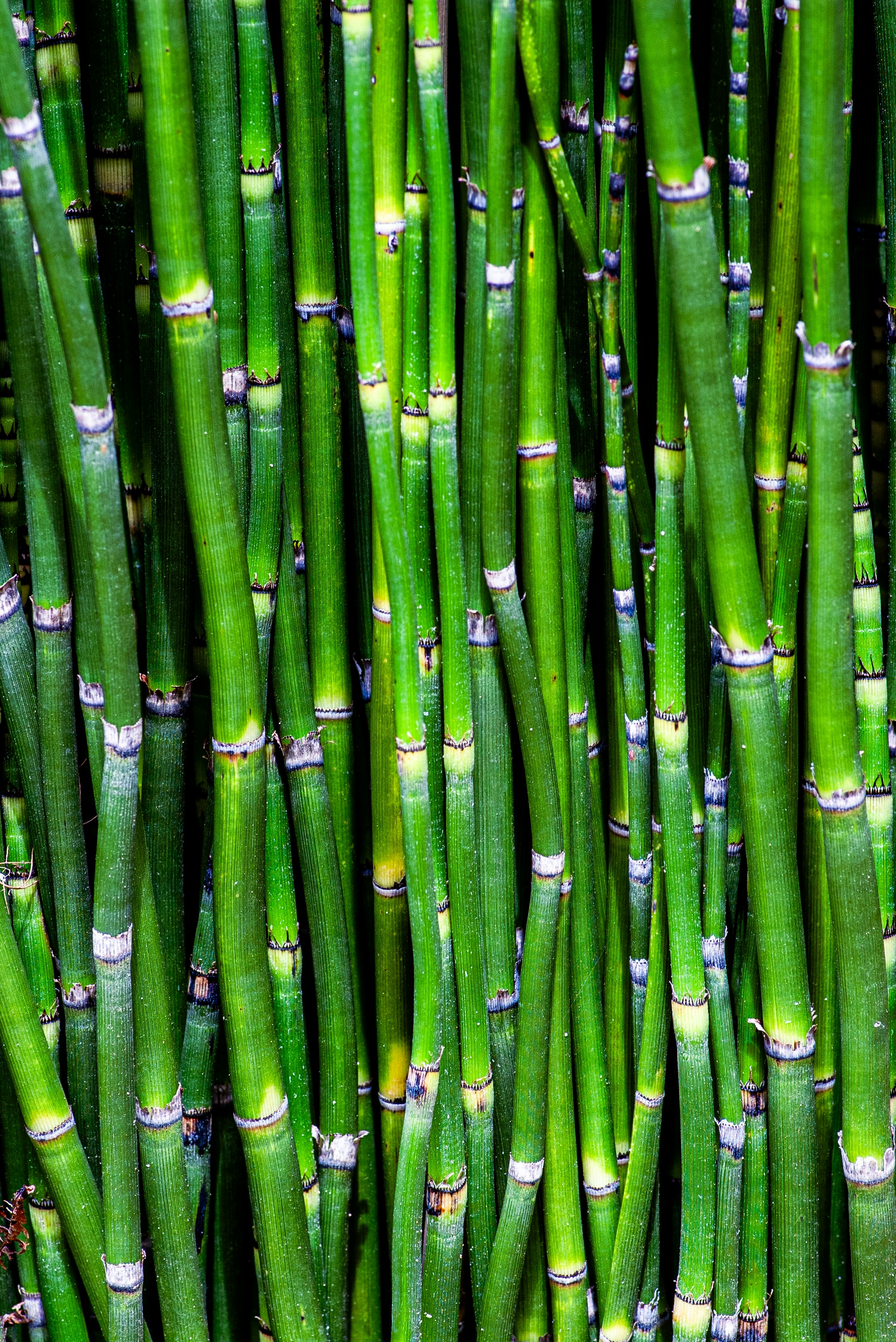
Equisetum arvense might be the most regulator-divided diuretic herb in the modern pharmacopoeia. Two positive RCTs against a prescription thiazide. A formal European Medicines Agency approval for urinary tract irrigation. An NCCIH fact sheet of warnings. An NIH LiverTox entry flagging it as a probable rare cause of liver injury. And in Australia, the entire Equisetum genus is a State Prohibited Weed you cannot legally bring in.
Same plant. Same data. Five different verdicts.
The four other articles in this series treat Equisetum arvense through specific lenses: the clinical RCTs in detail, the side-effect risks one by one, the bladder use cases, and the head-to-head against corn silk. This one does the synthesis. What does the global regulatory picture actually look like, and how do you read the evidence when the experts who reviewed it cannot agree on what it means?
Key Takeaways
- Two Brazilian RCTs (n=36 and n=58) show 900 mg of Equisetum arvense ethanolic extract matches hydrochlorothiazide for urine output and blood pressure reduction
- NCCIH does not endorse the herb for any condition and leads with warnings about thiaminase, species contamination, and pregnancy contraindication
- NIH LiverTox (2022) assigns a Likelihood Score of C: a probable rare cause of clinically apparent liver injury, mechanism unknown
- The European Medicines Agency approves Equisetum arvense herba as a Traditional Herbal Medicinal Product for short-term urinary irrigation at 1.5-3 g per cup, up to four times daily
- Australia bans importation of E. arvense, E. palustre, and E. hyemale; the genus is a State Prohibited Weed in Victoria
- All five regulators agree on a 4-6 week ceiling, pregnancy contraindication, and the need to verify the species before use
What Equisetum arvense Actually Is
Field horsetail is the medicinal species in a genus older than every flowering plant on the planet. Equisetum fossils turn up in coal seams 350 million years deep. Side note: the same genus produced tree-sized forms during the Carboniferous that helped build the coal beds those fossils sit in. Back to the modern question.
The plant has two distinct growth phases. Fertile stems appear in early spring: short, pale, spore-bearing, without leaves. Sterile vegetative stems follow in summer, jointed, hollow, photosynthetic, with whorls of needle-like branches. The medicinal preparation uses the sterile stems, harvested before they turn yellow.
The chemistry matters more than the morphology for clinical use. Equisetum arvense contains 5-7% silica by dry weight, which is unusually high among medicinal plants and the basis for some of the wound-healing and connective tissue claims. The diuretic-relevant compounds are flavonoids: isoquercitrin, kaempferol-3-O-rutinoside, equisetonin. And the troublesome enzyme thiaminase, which is what most of the safety conversation eventually comes back to.
Two related species look similar enough to cause real trouble. Equisetum palustre (marsh horsetail) contains palustrine, an alkaloid documented to poison livestock. Equisetum hyemale (scouring rush) shares some compounds but has not been tested for the medicinal applications attributed to arvense. Mixed-species harvest is a documented issue with cheap commercial product.
The Diuretic Evidence: Two Trials, One Research Group
The modern clinical case rests on two papers from a Brazilian research network. Carneiro and colleagues at the Federal University of Rio de Janeiro ran the first one in 2014: 36 healthy men, randomised three ways across 900 mg/day of standardised ethanolic extract, 25 mg/day of hydrochlorothiazide, or placebo, for four days [1]. The horsetail group matched the thiazide for 24-hour urine output and did so without the sodium, potassium, chloride, or creatinine shifts the prescription drug typically causes.
The same network’s 2022 follow-up tested the same dose against the same comparator in 58 adults with stage I hypertension, over 12 weeks [2]. Faustino and colleagues found horsetail dropped systolic pressure by 12.6 mmHg and diastolic by 8.1 mmHg, numerically and statistically indistinguishable from hydrochlorothiazide. Adverse event rates were comparable (3.58% versus 4.68%). Liver enzymes, kidney function, and electrolytes stayed within normal ranges in both arms.
Evidence grade for diuretic effect (ethanolic extract): Low to moderate. Two consistent positive RCTs against an active comparator. Small samples. Single research network. No independent replication anywhere in the literature.
Evidence grade for diuretic effect (brewed tea): Insufficient. No RCT has tested brewed tea as the intervention. The closest proxy is Riede et al. 2022, which used a water-based extract for seven days and found a 300% increase in Tamm-Horsfall protein but didn’t measure urine volume [3].
The full breakdown of doses, designs, and chemistry differences between tea and extract sits in the horsetail diuretic evidence article. The short version: extract worked in trials, tea has never been formally tested for the diuretic outcome, and these are not chemically interchangeable preparations.
What NCCIH Actually Says
The US National Center for Complementary and Integrative Health is the federal body charged with telling Americans what the evidence supports for botanical and complementary products. Its horsetail fact sheet is brief, and it leads with what people drinking the tea generally don’t want to hear [4].
NCCIH does not endorse Equisetum arvense for any clinical condition. The fact sheet acknowledges the traditional European use as a “mild diuretic” but classifies the modern evidence as preliminary. Three specific warnings get top billing: the thiaminase content and its potential to deplete vitamin B1; possible contamination with toxic look-alike species, primarily E. palustre; and contraindication in pregnancy and breastfeeding due to insufficient safety data.
This is not the same as saying horsetail is dangerous. NCCIH treats most herbal supplements this way as a function of how the US regulatory system handles dietary supplements. The FDA does not approve supplements for any indication; NCCIH’s role is to summarise what the science shows, not to authorise use.
So what does the silence on endorsement actually mean? Two things.
First, the Brazilian RCTs are not enough by US standards. NCCIH’s threshold for endorsing a botanical for any specific indication effectively requires multiple independent trials, ideally with replication across populations and research groups. The 2014 and 2022 trials are both pilot-scale, both from the same network, both in stable populations. They would not clear the bar even for a prescription drug indication.
Second, NCCIH’s posture reflects the asymmetric cost of a wrong call. The downside of not endorsing a mildly useful diuretic is small. The downside of endorsing one with a clear toxicology signal (thiaminase, species contamination, NIH LiverTox flag) is significant. The agency is acting consistently with that asymmetry.
The Thiaminase Question at a Biochemical Level
Thiaminase is the reason every regulator who has looked at Equisetum arvense has placed time limits on use. The enzyme cleaves thiamine (vitamin B1) at the methylene bridge between its pyrimidine and thiazole rings. The result is two inactive metabolites the body cannot reassemble into functional B1.
The first careful documentation came from the 1952 Canadian veterinary literature. Henderson, Evans, and McIntosh described “equisetosis” in horses that grazed on contaminated pasture: ataxia, weakness, weight loss, and progressive neurological symptoms that resolved completely on thiamine supplementation and complete withdrawal of Equisetum [5]. The syndrome is a clean experimental analogue of clinical beriberi.
Two questions follow for tea drinkers. How heat-stable is the enzyme? And how much actually reaches the body in a normal brewing protocol?
Plant thiaminases are partially heat-labile. Boiling for several minutes reduces activity meaningfully — but not to zero. The mechanism: the enzyme is glycoprotein-based with disulfide bonds that resist short heat exposure. Standard tea steeping (90-95°C for 5-10 minutes) inactivates maybe 50-70% of the enzyme. Boiling for 20+ minutes pushes that higher but still leaves a residual fraction active. Cold or short-steep preparations preserve most of the enzyme intact. This is the chemistry behind the European preference for alcoholic tinctures during the era when horsetail was prescribed for longer courses: ethanol denatures thiaminase completely during extraction.
The documented case reports in humans follow what the chemistry predicts. Sustained daily tea consumption over months at a time, without B-complex supplementation, produces classical thiamine deficiency symptoms: fatigue, peripheral neuropathy, loss of appetite. The cases recover with thiamine repletion and discontinuation. Short courses of 4-6 weeks in otherwise healthy adults rarely cause overt deficiency.
What this means practically: the EMA’s 4-6 week ceiling is not a precautionary fiction. It’s a window calibrated to what the thiaminase pharmacokinetics suggest the human body can absorb without B1 depletion if no co-supplementation is provided. Past that window, the safety case requires a B-complex. The deeper biochemistry of the four risks is laid out in the side effects article.
The NIH LiverTox Verdict
LiverTox is a separate NIH-maintained database from NCCIH, run through the National Institute of Diabetes and Digestive and Kidney Diseases. Its job is to assign likelihood scores for drug- and herb-induced liver injury based on case reports, mechanistic studies, and clinical literature.
The horsetail entry, last revised July 2022, assigns Equisetum arvense a Likelihood Score of C: a probable rare cause of clinically apparent liver injury [6]. The specific finding: “implicated in rare instances of transient serum aminotransferase elevations without jaundice.” The document also notes there’s “little evidence that horsetail in conventional oral doses or as herbal tea causes clinically apparent liver injury with jaundice in humans.”
The mechanism is unknown. LiverTox is explicit on this. The thiaminase pathway doesn’t explain the liver finding, because B1 depletion produces neurological and cardiac symptoms, not hepatic ones. Something else in the plant chemistry is responsible, and the candidate compounds (silica, equisetonin, palustrine in contaminated product) have not been individually traced to a hepatotoxicity mechanism.
The practical takeaway from LiverTox is narrower than the score might suggest. Conventional doses up to 6 grams daily are not associated with overt liver injury in most users. But high doses sustained over long periods, particularly in people with pre-existing liver disease or cirrhosis, are explicitly discouraged. The same caution applies to anyone on hepatotoxic drugs concurrently (methotrexate, valproate, isoniazid), where any additional hepatic load matters more than baseline risk would suggest.
This is the second NIH-maintained source pointing at Equisetum arvense without endorsing it. Same agency, two different review programs, both arriving at “cautious.”
How Five Regulators Compare
The most useful synthesis isn’t any single agency’s position. It’s what the spread of positions actually tells you about the evidence.
| Regulator | Jurisdiction | Status | Approved indication | Key restriction |
|---|---|---|---|---|
| NCCIH | United States | No endorsement | None | Thiaminase, species contamination, pregnancy warnings |
| NIH LiverTox | United States | Likelihood Score C | N/A (toxicology) | Avoid high-dose long-term use in liver disease |
| European Medicines Agency | EU | Traditional Herbal Medicinal Product | Increasing urine output for adjuvant urinary tract irrigation | 4-6 week maximum, ≥12 years old, ≥750 mL water/day [7] |
| German Commission E | Germany | Approved monograph | Post-traumatic and static oedema; urinary tract irrigation | Same dose ceiling as EMA |
| TGA-aligned biosecurity | Australia | State Prohibited Weed (Victoria); import banned | None | Cultivation prohibited; living plant material cannot be imported [8] |
The split is real, but it’s not random. Three patterns explain it.
Regulatory framework first. The EMA’s Traditional Herbal Medicinal Product registration was designed to legitimise plants with documented long-term use even where modern RCT evidence is thin. Equisetum arvense has 30+ years of European pharmacopoeial use and qualifies on that basis alone. The US has no equivalent framework. NCCIH is operating in a system where the only path to “approval” is FDA drug review, which the plant has not been put through and probably never will be.
Australia is doing something different. The TGA-aligned biosecurity restrictions are not therapeutic regulation. They reflect that the Equisetum genus is invasive in temperate Australian conditions and a documented hazard to livestock and native vegetation. State prohibition targets the live plant and viable plant material; processed extracts and capsules sit in a different regulatory category, though sourcing complications follow naturally from the import restriction. If you’re an Australian consumer, you cannot reliably get the standardised European product locally.
LiverTox is a toxicology view, not a therapeutic verdict. Assigning a Likelihood Score doesn’t say “don’t use this.” It says “include this on the differential when a user presents with transient transaminitis.” That’s useful information for a hepatologist. It’s not a reason for a healthy person taking a 4-week course to panic.
The five-agency split looks contradictory at the headline level. Underneath, the regulators are answering different questions with different evidence thresholds, and they would probably arrive at similar advice if asked the same one.
Where The Regulators Actually Agree
Drop the framework differences and the agreement is louder than the disagreement.
Every regulator that has issued guidance accepts a 4-6 week ceiling for continuous use. Every regulator contraindicates use in pregnancy and breastfeeding. None endorses use in children. All five flag the species identification problem and the need to verify Equisetum arvense on the label. The two that comment on drug interactions (NCCIH and Commission E) flag the same three high-priority interactions: lithium, digoxin, prescription diuretics.
The practical guidance converges on a fairly specific patient profile: healthy adult, no pregnancy or breastfeeding, no lithium or digoxin, no diabetes on tightly titrated medication, no pre-existing liver or kidney disease, willing to limit use to 4-6 weeks, taking a B-complex if going past three weeks, sourcing from a supplier who specifies Equisetum arvense on the label. That description survives translation across all five jurisdictions.
This is the clinical synthesis that matters more than any individual agency’s verdict.
The Honest Clinical Synthesis
A reasonable adult considering Equisetum arvense for mild urinary support sits with three things on the table.
The diuretic effect is real for the extract form. Two RCTs, an active comparator, consistent direction, no electrolyte loss. That’s a stronger evidence base than most herbal diuretics carry.
The safety profile has specific failure modes. Thiaminase with prolonged use. Possible species contamination with cheap product. A real-but-rare hepatic signal flagged by LiverTox. A small list of high-priority drug interactions. None of these makes the herb dangerous in the way that, say, kratom or kava is dangerous. They make it inappropriate for specific people and inappropriate for indefinite use by anyone.
The regulatory split tells you the evidence is interesting but not definitive. The Brazilian RCTs survive scrutiny, but they have not been replicated outside their research network, and the populations tested were healthier than the patients most prescribing clinicians actually see. A second independent RCT in patients with established mild hypertension or recurrent urinary tract infections would shift the picture meaningfully. A negative trial would shift it the other way.
If you’re an adult with overactive bladder symptoms or recurrent mild urinary stagnation, Equisetum arvense extract at the trial dose for a 4-week course is a defensible self-experiment. If you’re looking for a kidney flush, an oedema treatment, or a substitute for a prescribed diuretic, this isn’t your tool. The mechanism may help, but the evidence has not been tested in those populations and you would be running an uncontrolled experiment on yourself with a hepatotoxic flag on the package.
For Australian readers, the sourcing question is a separate hurdle. Locally sold products are limited; imported product runs into the biosecurity rules above. If you can’t reliably verify species and standardisation, the prudent default is to skip the herb entirely.
Know Your Limits
Equisetum arvense is a short-term tool with specific contraindications. Stop the herb and see your GP if you notice any of the following:
Tingling, numbness, or burning in your hands or feet. Possible early thiamine deficiency from sustained thiaminase exposure. Reversible if caught early.
Unusual fatigue, loss of appetite, or muscle weakness that wasn’t there before you started. Same concern.
Yellowing of the skin or whites of the eyes. The LiverTox signal is rare but not zero. Get liver function tests.
Unusual heart palpitations, particularly if you’re on digoxin or any potassium-affecting medication. Get a basic electrolyte panel.
If you started horsetail hoping it would help with painful urination, blood in your urine, fever, or flank pain, these are not horsetail-responsive symptoms. They are signs of an active infection or stone problem and need medical assessment within 24-48 hours, not a stronger brew. Symptoms in the lower urinary tract that don’t clear within a few days of starting any self-treatment are a sign to test, not to escalate the dose.
Common Questions
Does NCCIH say Equisetum arvense works as a diuretic?
No. The NCCIH fact sheet doesn’t endorse Equisetum arvense for any condition, diuretic use included. It acknowledges traditional European use and the published clinical trials, but classifies the evidence as preliminary by US standards. The fact sheet leads with three specific warnings: thiaminase content, possible contamination with toxic look-alike species, and contraindication in pregnancy.
Why do EMA and NCCIH disagree on Equisetum arvense if the evidence is the same?
Because they’re applying different rules. The European Medicines Agency operates a Traditional Herbal Medicinal Product registration designed for plants with 30+ years of documented use, even without strong RCT data. Equisetum arvense qualifies on the traditional-use criterion alone. The US has no equivalent framework. NCCIH operates under a system where endorsement requires evidence at a higher threshold than the two Brazilian trials provide. Same plant, same data, different regulatory questions being asked.
How much thiaminase is actually in a cup of horsetail tea?
The exact milligram amount has not been quantified for commercial retail products, and it varies by harvest source, processing, and brewing protocol. What is known: the enzyme survives boiling partially, with standard steeping at 90-95°C inactivating roughly 50-70% of activity. Cold or short-steep preparations preserve more. Alcoholic tinctures destroy the enzyme during extraction, which is why historical European pharmacopoeias preferred tinctures for extended use. Veterinary and case-report data consistently link sustained intake to thiamine depletion, so the absolute amount is less important than the duration of exposure.
Is Equisetum arvense ethanolic extract safer than the tea?
On the thiaminase question, almost certainly yes. Ethanol-based extraction inactivates most of the enzyme during processing. The 2014 and 2022 RCTs both used ethanolic dry extract and reported no electrolyte shifts or detectable adverse events related to B1 status. On other risks the comparison is mixed. The hepatic signal flagged by NIH LiverTox applies to both forms. Species contamination matters more for cheap whole-herb tea than for branded standardised extract. And tea has zero modern RCT data at any outcome, while extract has two.
Why is Equisetum arvense restricted in Australia?
It’s a biosecurity restriction, not a therapeutic one. The Equisetum genus is invasive in temperate Australian conditions, a documented livestock poisoning hazard, and a State Prohibited Weed in Victoria. Federal import rules prohibit bringing E. arvense, E. palustre, and E. hyemale into the country. The restriction targets the living plant and viable plant material; processed extracts and finished supplements sit in a different category, but the practical effect for Australian consumers is restricted access to the European products the clinical evidence is based on.
Has any new RCT on Equisetum arvense been published since 2022?
Not for diuretic or antihypertensive use. The clinical evidence base remains Carneiro 2014 and Faustino 2022, both from the same Brazilian research network. Newer Equisetum publications since 2022 focus on phytochemistry, anti-inflammatory mechanisms in keratinocyte models, and topical/dermatological applications. The single biggest gap in the literature, an independent diuretic replication trial, has not been filled. Until it is, the case for clinical Equisetum arvense use will stay where it is now: interesting, plausible, regulator-divided.
What Would Move The Needle
One independent replication trial would change this picture more than any other research could. A non-Brazilian research group, a different population (older adults, patients with established mild hypertension or recurrent urinary symptoms), 100+ participants, 12-week duration, head-to-head against a current first-line therapy. A positive result would tip NCCIH towards a different framing. A negative result would settle the EMA’s grandfathered approval question for the modern era. Until that trial runs, the five regulators are likely to stay roughly where they are — and so is the honest verdict for anyone considering whether to use the plant.
References
-
Carneiro DM, Freire RC, Honório TC, Zoghaib I, Cardoso FF, Tresvenzol LM, et al. Randomized, double-blind clinical trial to assess the acute diuretic effect of Equisetum arvense (field horsetail) in healthy volunteers. Evidence-Based Complementary and Alternative Medicine. 2014;2014:760683. PubMed
-
Faustino MV, Pinto DC, Gonçalves MJ, et al. Effectiveness and safety of Equisetum arvense in treatment of mild essential arterial hypertension: a randomized double-blind clinical trial. Phytomedicine. 2022;99:154007. PubMed
-
Riede L, et al. Molecular effects of Equisetum arvense aqueous extract on urinary Tamm-Horsfall protein and uropathogenic E. coli adhesion. Planta Medica. 2022;88(9-10):727-735. PubMed
-
National Center for Complementary and Integrative Health. Horsetail. NCCIH Herbs at a Glance. NCCIH
-
Henderson JA, Evans EV, McIntosh RA. The antithiamine action of Equisetum. Journal of the American Veterinary Medical Association. 1952;120:375-378.
-
National Institute of Diabetes and Digestive and Kidney Diseases. LiverTox: Clinical and Research Information on Drug-Induced Liver Injury. Horsetail. Updated July 25, 2022. LiverTox
-
European Medicines Agency, Committee on Herbal Medicinal Products. European Union herbal monograph on Equisetum arvense L., herba. EMA/HMPC/278091/2015. Adopted 2016. EMA
-
Agriculture Victoria. State prohibited weeds. Agriculture Victoria
-
Blumenthal M, et al. The Complete German Commission E Monographs: Therapeutic Guide to Herbal Medicines. American Botanical Council; 1998. Horsetail monograph.
Frequently Asked Questions
- Does NCCIH say Equisetum arvense works as a diuretic?
- No. The NCCIH fact sheet does not endorse Equisetum arvense for any condition, including diuretic use. It acknowledges traditional use and lists the same two clinical trials cited by European regulators, but treats them as preliminary rather than confirmatory. NCCIH leads with safety warnings about thiaminase, species contamination, and pregnancy contraindication.
- Why do EMA and NCCIH disagree on Equisetum arvense if the evidence is the same?
- Different regulatory frameworks. The European Medicines Agency runs a Traditional Herbal Medicinal Product registration that approves herbs with 30+ years of documented use even without modern RCT evidence. NCCIH operates under a US system where dietary supplements are not approved for any indication. Same evidence base, different rules for translating that evidence into a verdict.
- How much thiaminase is actually in a cup of horsetail tea?
- Enough to matter with daily use beyond a few weeks, but the exact milligram amount has not been quantified for retail products. The enzyme survives brewing partially. Veterinary data from horses and dietary studies in fish show clear thiamine depletion with chronic Equisetum intake. Human case reports follow the same pattern after months of regular tea consumption. Alcoholic tinctures inactivate the enzyme, which is why older European pharmacopoeias preferred them for extended use.
- Is Equisetum arvense extract safer than the tea?
- On thiaminase, almost certainly yes. Ethanol-based extraction destroys most of the enzyme during processing, while hot water leaves a meaningful fraction active. On other risks, the picture is mixed. The 2022 RCT followed extract users for 12 weeks without significant electrolyte or kidney issues, while tea has no comparable controlled long-term data. The NIH LiverTox concern applies to both forms.
- Why is Equisetum arvense restricted in Australia?
- Biosecurity, not therapeutic regulation. Equisetum species are State Prohibited Weeds in Victoria and importation of Equisetum arvense, palustre, and hyemale into Australia is not permitted under federal biosecurity rules. The genus is invasive in temperate Australian conditions and a documented livestock poisoning hazard. The restriction targets the live plant and viable plant material rather than processed supplements, but it creates real sourcing complications for Australian consumers.
- Has any new RCT on Equisetum arvense been published since 2022?
- Not for diuretic or antihypertensive use. The evidence base still rests on Carneiro 2014 and Faustino 2022, both from the same Brazilian research network. Newer Equisetum publications since 2022 focus on phytochemistry, anti-inflammatory activity, and dermatological applications. No independent diuretic replication trial has been published, which remains the single biggest gap in the clinical literature.
Medical Disclaimer: The information provided is for educational purposes only and should not be considered as medical advice. Always consult with a qualified healthcare professional before making any changes to your diet, supplement regimen, or treatment plan.
Was this article helpful?