Goldenrod for Bladder: 96% Improvement or Weak Trials?
Goldenrod for bladder health is German Commission E approved. Two open trials show 96% improvement, but no controls and an awkward antibiotic clash.
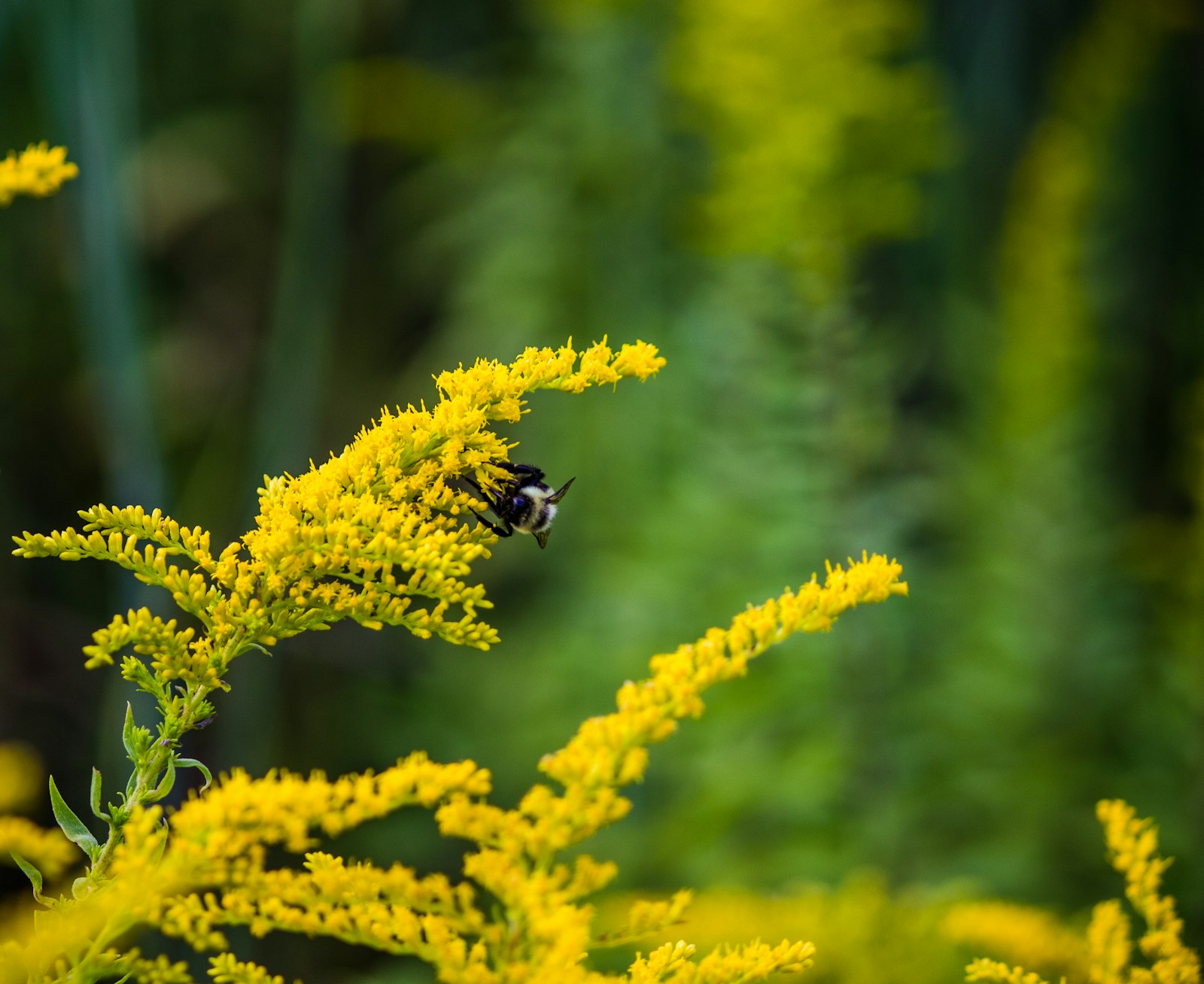
Germany’s Commission E approved goldenrod for urinary irrigation in 1994. Two open-label trials reported 96% and 69% improvement rates in bladder symptoms. A 2021 lab study found the same extract antagonised ciprofloxacin against the most common UTI bacterium. Same herb, three findings, one awkward question — how much of goldenrod for bladder health actually holds up?
Honest answer: the regulatory backing is older than most of us, the clinical evidence is thinner than the regulator approvals would suggest, and the mechanism is genuinely interesting. Goldenrod is one of the few herbs with documented activity through two pathways at once, increasing urine flow while also calming bladder muscle contraction. That dual action is what got it past the German pharmacopoeia in the first place.
Key Takeaways
- Solidago virgaurea is German Commission E approved for irrigation therapy of inflammatory lower urinary tract conditions, urinary calculi, and kidney gravel
- Two open-label trials (n=512 and n=74) reported 96% and 69% symptom improvement in overactive bladder. Neither had a placebo control, and the EMA classifies the evidence as low-quality
- Active compounds include leiocarposide (a diuretic glycoside with ~75% the effect of furosemide in animal models), virgaureasaponins, and flavonoids like quercetin and rutin
- A 2021 in-vitro study found goldenrod extract antagonised ciprofloxacin and amikacin against uropathogenic E. coli, a finding that has not yet been replicated in humans but should make you cautious about combining it with active UTI antibiotics
- Maximum safe use is 2 to 6 weeks of irrigation therapy; people with kidney or heart failure should avoid it entirely
What “Approved by Germany” Actually Means Here
The German Commission E monograph for Solidago virgaurea lists three approved uses: irrigation therapy for inflammatory diseases of the lower urinary tract, irrigation therapy for urinary calculi and kidney gravel, and prophylaxis for urinary calculi and kidney gravel [1]. The same monograph was carried forward by the European Scientific Cooperative on Phytotherapy and later by the European Medicines Agency’s Committee on Herbal Medicinal Products as a Traditional Herbal Medicinal Product.
Here’s where the regulatory language matters. “Traditional Herbal Medicinal Product” is not the same approval bar as a prescription drug. It means 30+ years of documented use without major safety signals, plus a plausible mechanism, plus a stated indication. It does not require placebo-controlled trial evidence. The same framework approved horsetail for urinary irrigation despite an evidence base that NCCIH found insufficient to endorse.
So when a herbalist site claims goldenrod is “Commission E approved”, that’s true. It also tells you a European regulator decided centuries of use plus a plausible mechanism plus a clean safety record justified keeping the herb on the pharmacy shelf. It does not mean a Phase 3 trial confirmed efficacy. That distinction matters before you decide whether the approval applies to your situation.
The Two Human Trials Everyone Cites
Both come from the same family of studies on a standardised extract called Solidagoren (now sold as Cystinol N), 425 mg of dry goldenrod extract taken three times daily.
In the larger trial, 512 patients with chronic overactive bladder symptoms (urgency, frequency, and dysuria) reported 96% symptom improvement at the end of treatment [2]. A smaller trial enrolled 74 patients with similar lower urinary tract symptoms and reported 69% improvement [3].
Read those numbers carefully. They sound spectacular. They are also exactly the kind of numbers you’d expect from an open-label, uncontrolled study where the patients knew what they were taking, the clinicians knew what they were measuring, and there was no placebo group to anchor the response rate against. A 2020 systematic review of Solidago clinical evidence specifically flagged both trials as “low quality” because of the design [4].
For comparison: the placebo response in overactive bladder trials typically runs 30 to 50% improvement. So a 69% open-label response from goldenrod sits right in the range you might see from anything that the patient believes will work. The 96% figure is more impressive, but the absence of any comparator group makes it impossible to know what fraction of that came from the herb versus the structured weekly assessment, the lifestyle counselling that usually accompanies these trials, or simple regression to the mean.
This is not a takedown. It is the honest evidentiary picture. Goldenrod may deliver real symptom relief in a sizable fraction of OAB patients. We just don’t have the trials needed to confirm it.
The Aquaretic Mechanism: Two Pathways at Once
This part is more solid than the clinical trial picture. The pharmacology is well-characterised.
Goldenrod is what European phytopharmacology calls an aquaretic rather than a diuretic. The distinction matters. A loop diuretic like furosemide drags sodium out with the water, which is why prescription diuretics carry electrolyte risks. An aquaretic increases urine volume largely through fluid alone, leaving the sodium balance mostly intact. The clinical implication: aquaretics are gentler on kidney function and safer for short-term flushing of the urinary tract, but they are not strong enough to manage genuine oedema or heart failure.
Two compounds do most of the work. Leiocarposide, a phenolic glycoside, has shown diuretic activity in animal models at about 75% the potency of furosemide [4]. Virgaureasaponins contribute additional fluid output and may explain some of the anti-inflammatory effects reported in cystitis. And the flavonoid fraction (quercetin, rutin, hyperoside) inhibits neutral endopeptidase, which raises circulating natriuretic peptide levels and adds a second push toward fluid excretion.
The interesting bit comes next. Those same flavonoids also have antimuscarinic activity at M2 and M3 receptors on bladder smooth muscle. M3 antagonism is exactly how the prescription overactive bladder drugs like oxybutynin and solifenacin work. They calm the involuntary detrusor contractions that drive urgency. So goldenrod plausibly does two things at once: increases urine production and quiets the bladder muscle that signals urgency.
Side note: the same M3 receptor is why dry mouth is the most common side effect of prescription OAB drugs. Goldenrod’s antimuscarinic effect is far weaker, which is why it does not cause dry mouth. The flip side is that the urgency-calming effect is likely modest.
The 2021 Lab Finding That Complicates the UTI Pitch
Most goldenrod-for-UTI articles do not mention this study. They should.
Wojnicz and colleagues at Wrocław Medical University tested whether Solidago virgaurea extract enhanced or antagonised two antibiotics commonly used for urinary tract infections (ciprofloxacin and amikacin) against uropathogenic E. coli CFT073 [5]. They published in 2021. The expected result was enhancement. The actual result was the opposite.
Extract alone slowed bacterial growth modestly. Combined with antibiotics, the cultures grew better than with antibiotic alone. The post-antibiotic effect (the lingering suppression of bacterial growth after the drug is washed out) dropped from 2 hours for ciprofloxacin alone to 45 minutes for the combination. For amikacin, it fell from 3.5 hours to 1 hour. The biofilm picture was even uglier: 72-hour biofilms formed more densely when the extract was added to the antibiotic.
One in-vitro study is not a verdict. Petri dish behaviour does not always translate to human urinary tract behaviour. But the finding is biologically plausible: high-flavonoid extracts compete with antibiotics for bacterial efflux pump activity, and the magnitude of effect was large enough to take seriously. Until a human trial says otherwise, the prudent reading is to keep goldenrod off the antibiotic course. Use it as a prevention adjunct between courses, not as a same-day combination.
That caveat alone separates this article from most of what you’ll find on goldenrod for UTI.
Goldenrod vs Other Urinary Herbs
| Herb | Strongest Human Evidence | Regulatory Status | Main Limitation |
|---|---|---|---|
| Goldenrod (Solidago virgaurea) | 2 open-label trials, 96% / 69% improvement | German Commission E approved | No controlled trials; antibiotic antagonism in vitro |
| Horsetail (Equisetum arvense) | 2 RCTs matching hydrochlorothiazide for diuresis | EMA Traditional Herbal Medicinal Product | Thiaminase depletes B1 with prolonged use |
| Corn silk (Zea mays stigmas) | 1 small human trial, null result | Traditional use, no formal monograph | Tea dose unlikely to match active dose |
| Cranberry (Vaccinium macrocarpon) | Cochrane review of 50 trials, ~27% UTI reduction | Multiple regulatory approvals as supplement | Most products underdosed in proanthocyanidins |
| Uva ursi (Arctostaphylos uva-ursi) | Small trials for UTI symptoms | EMA approved, max 14 days | Hydroquinone safety ceiling |
Two takeaways from that table. First, the urinary herbal toolkit is not interchangeable: each one was studied for a slightly different endpoint, and the strongest evidence depends on what you want it to do. Second, goldenrod fits the irrigation-therapy slot better than the UTI-treatment slot. The Commission E approval is for symptomatic relief and flushing, not bacterial eradication.
What “Flushing Therapy” Actually Looks Like
European herbal medicine has a specific protocol for irrigation, and it is not just “drink some goldenrod tea”. The protocol assumes you are increasing total fluid intake significantly while taking the herb. Skip the fluid load and you skip most of the mechanism.
Standard adult protocol from the German Commission E and ESCOP monographs:
- Dried herb: 6 to 12 grams per day, split into 2 or 3 doses
- Infusion: 3 to 5 grams cut herb per cup, steeped 10 to 15 minutes, 2 to 3 cups daily
- Additional water: at least 2 litres beyond the tea itself
- Duration: 2 to 4 weeks for active flushing, up to 6 weeks for prophylaxis
- Liquid extract: 0.5 to 2 mL up to three times daily (1:1 in 25% alcohol)
Fluid load is doing the actual mechanical work. Goldenrod provides the gentle aquaretic push plus the antimuscarinic and antimicrobial accents. Skip the extra water and you are drinking weak tea, not running irrigation therapy.
Dehydration is the single biggest reversible driver of bladder symptoms in otherwise healthy people, so the fluid component of irrigation therapy is partly just enforced rehydration with a flavour upgrade.
What Can Go Wrong
Safety profile is one of the better ones in the urinary herbal category, but it has three specific failure modes.
Asteraceae cross-reactivity. Goldenrod shares enough protein epitopes with ragweed, chrysanthemums, and daisies to trigger IgE-mediated reactions in 5 to 10% of ragweed-allergic individuals. Symptoms range from contact dermatitis (handling the dried herb) through oral allergy syndrome (throat itch, lip swelling) to rare systemic reactions. The popular claim that goldenrod pollen causes hay fever is botanical nonsense. Its pollen is heavy and insect-borne, not airborne. But cross-reactivity to the leaf and flower material in tea is real and worth screening for.
Fluid load contraindications. The whole irrigation therapy premise depends on healthy kidneys handling a deliberate 2 to 3 litre daily fluid challenge. People with chronic kidney disease (stage 3 or worse), congestive heart failure, or any condition causing fluid retention should not attempt irrigation therapy with any aquaretic herb. This is the most commonly missed contraindication in herbalist write-ups. The German Commission E monograph spells it out explicitly.
Pregnancy and breastfeeding. Insufficient safety data and theoretical concerns about uterine effects from related saponins. Avoid.
Drug interactions worth knowing about. The 2021 antibiotic antagonism finding above. Theoretical interaction with diuretics (additive fluid loss). And the standard caution that anything affecting urine pH or volume can shift the kinetics of lithium, digoxin, and any drug with a narrow therapeutic window. People on those should ask their pharmacist before adding goldenrod.
When This Isn’t Enough
Goldenrod is a comfort-and-flushing tool, not a treatment for established infection or structural disease. The boundaries are sharper than for most other urinary herbs because of the in-vitro antibiotic interaction.
Stop self-treating and see a clinician if:
- You start the herb for UTI prevention and develop active infection symptoms (burning, fever, flank pain, visible blood in urine)
- Symptoms persist beyond 5 to 7 days of consistent use with adequate fluids
- You have a history of kidney stones and the herb is the only prevention strategy you’re using
- You’re on antibiotics for any infection right now — wait until the course is finished before adding goldenrod
- The bladder symptoms include pain that worsens as the bladder fills, which is more suggestive of interstitial cystitis than of the dysfunctional voiding goldenrod was studied in
A persistent need to irrigate the urinary tract is usually a sign of something else going on. The herb is not the diagnosis.
Common Questions
Why did Germany approve goldenrod when the US never has?
Different regulatory frameworks reading the same evidence. The German Commission E (1978-1994) reviewed herbs against documented traditional use, plausible mechanism, and safety history. It did not require modern RCT confirmation. The US system has no equivalent traditional-use pathway. Same plant, same data, different verdicts.
Can I just drink goldenrod tea from any health food store?
If the label says Solidago virgaurea and nothing else, yes. Be careful of blends. Many “kidney teas” mix goldenrod with horsetail, juniper, and bearberry, each of which has its own safety profile and contraindications. A blend may exceed the safe use duration of one of its components even if your goldenrod dose stays low.
How fast should symptoms improve?
Open-label trials measured improvement over 4 to 6 weeks. If you’re using it for general bladder comfort and irrigation, expect a noticeable change in urine volume within a day or two and any symptom relief over 1 to 2 weeks. No change after 2 weeks of consistent use is your signal to stop.
Is the tea or the extract more effective?
Probably the extract, though we don’t have head-to-head data. The trials that produced the 96% and 69% improvement figures both used standardised dry extract at 425 mg three times daily. The tea delivers less of the leiocarposide and saponin content per dose, but it also delivers the fluid load that is doing half the mechanical work. For irrigation, tea is fine. For symptom relief specifically, extract is closer to what was studied.
Does goldenrod help with prostate symptoms in men?
Some traditional use, no good clinical data. The lower urinary tract symptoms studied in the OAB trials included men, but no trial has isolated benign prostatic hyperplasia as the indication. Saw palmetto, beta-sitosterol, and pumpkin seed have better evidence for that specific use.
Goldenrod sits in an unusual evidentiary spot. Regulator backing is real but old. Trials are positive but uncontrolled. Mechanism is genuinely interesting and dual-acting. And the one piece of newer lab evidence is mildly worrying for combination use with antibiotics. Treat it as what it is — a gentle short-term aquaretic with antimuscarinic accents, run as part of a real irrigation protocol with the fluid load that does half the work — and it’s a reasonable addition to the urinary herbal toolkit. Treat it as a UTI cure and you’re getting ahead of the evidence.
References
- Blumenthal M, ed. The Complete German Commission E Monographs: Therapeutic Guide to Herbal Medicines. American Botanical Council; 1998. HerbalGram
- EBSCO Research Starters. Goldenrod’s therapeutic uses. Open-label clinical observations in chronic overactive bladder (n=512, 425 mg t.i.d.). EBSCO
- Fursenco C, Calalb T, Uncu L, Dinu M, Ancuceanu R. Solidago virgaurea L.: A Review of Its Ethnomedicinal Uses, Phytochemistry, and Pharmacological Activities. Biomolecules. 2020;10(12):1619. PubMed
- Same review as [3]. Includes phytochemistry of leiocarposide and virgaureasaponins, plus diuretic potency comparison with furosemide.
- Wojnicz D, Tichaczek-Goska D, Gleńsk M, Hendrich AB. Is it Worth Combining Solidago virgaurea Extract and Antibiotics against Uropathogenic Escherichia coli rods? An In Vitro Model Study. Pharmaceutics. 2021;13(5):667. PubMed
- European Medicines Agency. Committee on Herbal Medicinal Products. Community herbal monograph on Solidago virgaurea L., herba. EMA/HMPC/285759/2007.
- Healthline. Goldenrod: Benefits, Dosage, and Precautions. Healthline
Frequently Asked Questions
- What is the German Commission E dose for goldenrod tea?
- Six to twelve grams of dried Solidago virgaurea aerial parts per day, split into two or three cups, taken with at least 2 litres of additional water for the flushing effect. A single cup uses 3 to 5 grams of cut herb steeped 10 to 15 minutes. The approval covers short-term irrigation therapy of 2 to 6 weeks, not indefinite daily use.
- Can I take goldenrod with antibiotics for a UTI?
- Probably skip the combination. A 2021 in-vitro study from Wrocław Medical University found Solidago virgaurea extract antagonised both ciprofloxacin and amikacin against uropathogenic E. coli, shortening the post-antibiotic effect from 2 hours to 45 minutes for ciprofloxacin. The finding has not been replicated in humans, but until it has, treat goldenrod as a prevention tool between courses rather than a same-day add-on to antibiotics.
- Is goldenrod safe if you have a ragweed allergy?
- Approach with caution. Goldenrod sits in the same Asteraceae family as ragweed, chrysanthemums, and daisies, and cross-reactive IgE responses are documented. The myth that goldenrod pollen causes hay fever is wrong, its pollen is insect-borne and stays put, but contact dermatitis and oral allergy symptoms in ragweed-sensitive people are real. Patch-test on the inner forearm before drinking the tea regularly.
- How long can you safely drink goldenrod tea?
- Two to six weeks is the European Medicines Agency's stated ceiling for irrigation therapy. Longer use has not been tested for safety in controlled trials. People with kidney impairment, heart failure, or any condition causing fluid retention should not use goldenrod at all without medical supervision, because the irrigation protocol relies on a 2-litre fluid load the failing kidney cannot handle.
- Does goldenrod actually help with kidney stones?
- The German Commission E approves goldenrod for prophylaxis of urinary calculi and renal gravel, but the supporting evidence is traditional use plus mechanism, increased urine flow dilutes stone-forming minerals. No randomised controlled trial has shown goldenrod prevents stone recurrence in humans. Once a stone is symptomatic, goldenrod is not a substitute for urology assessment.
- Goldenrod or horsetail for bladder health: which is better?
- Horsetail has the stronger human RCT evidence for diuretic effect (two trials versus none controlled for goldenrod), but goldenrod has the broader European regulatory backing for actual lower urinary tract symptoms. Goldenrod also avoids horsetail's thiaminase problem and the Asteraceae allergy is easier to screen for than horsetail's species contamination risk. For short-term flushing, both work. For repeat use, the safety profile favours goldenrod in most people.
Medical Disclaimer: The information provided is for educational purposes only and should not be considered as medical advice. Always consult with a qualified healthcare professional before making any changes to your diet, supplement regimen, or treatment plan.
Was this article helpful?